
Humidity and Mold in Titusville: What Homeowners in Brevard County Should Know
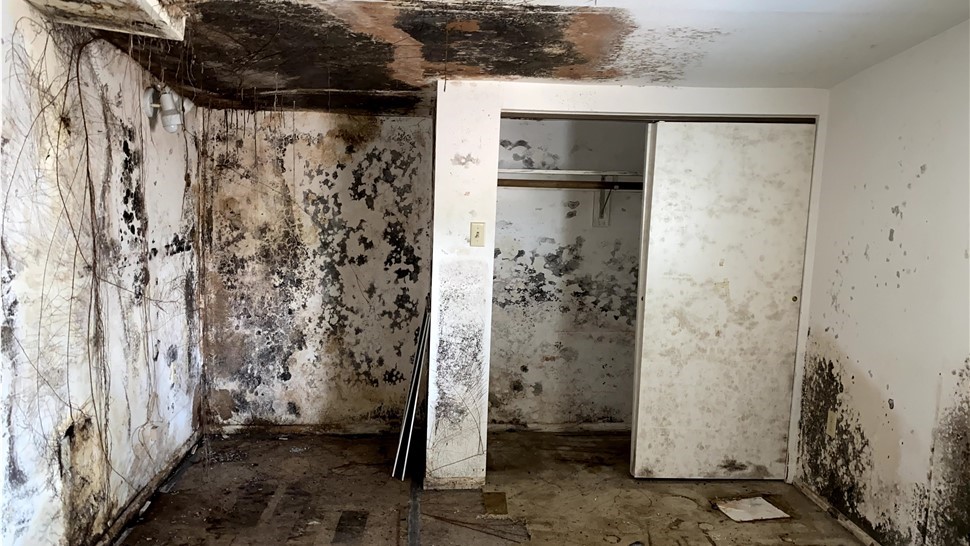
Humidity plays a bigger role in mold growth than most homeowners realize. In Titusville, moisture in the air often becomes the main reason mold develops—even in homes with no leaks or flooding. People sometimes assume mold only appears after water damage, but high humidity alone can create perfect conditions for growth.
I’ve inspected homes where no plumbing or roof issues existed, yet mold developed in closets, on ceilings, and inside HVAC systems simply because humidity stayed high for long periods. Ever notice how indoor air sometimes feels heavy or sticky? That feeling often signals humidity levels high enough to support mold growth.
Let’s look at how humidity contributes to mold, what warning signs to watch for, and what homeowners in Brevard County should know.
Why Humidity Leads to Mold Growth
Mold needs moisture to grow, and humidity provides that moisture continuously. When indoor humidity rises, surfaces absorb moisture from the air—even if they don’t appear wet.
Conditions that encourage mold include:
- Indoor humidity above 60%
- Poor airflow
- Warm temperatures
- Damp materials
Rhetorical question time: if moisture stays in the air every day, how long before surfaces begin to absorb it? Not very long.
Humidity alone can support mold growth without any visible water.
Why Titusville Homes Are Vulnerable
Titusville’s climate keeps outdoor humidity high for much of the year. Air conditioning removes some moisture, but it doesn’t always keep levels low enough in every room.
Factors that increase humidity indoors include:
- Frequent rain and storms
- Long cooling seasons
- Limited ventilation
- Closed-up homes during summer
IMO, closets and spare rooms often show the first signs of humidity-related mold because airflow stays limited in those spaces.
Humidity builds where air doesn’t move.
Early Signs Humidity Is Causing Mold Problems
Humidity-related mold usually develops gradually, and early signs often appear before visible mold becomes widespread.
Watch for:
- Musty or damp odors
- Condensation on windows or vents
- Peeling paint or bubbling drywall
- Damp-feeling walls or fabrics
These signs often indicate moisture conditions that allow mold to develop.
FYI, persistent condensation is one of the clearest warnings that humidity levels are too high.
Where Mold Appears First in Humid Homes
In Titusville homes, humidity-related mold often develops in predictable locations.
Common areas include:
- Closets
- Bathrooms
- Attics
- Around HVAC vents
These areas trap moisture and dry slowly, making them more vulnerable to mold growth.
Ever notice how a closet sometimes smells musty even when the rest of the house smells fine? Limited airflow usually explains that.
The Role of HVAC Systems in Humidity Control
HVAC systems play a major role in managing indoor humidity. When systems don’t run long enough or require maintenance, humidity levels may remain elevated.
Common HVAC-related issues include:
- Dirty air filters
- Drain line clogs
- Improper system sizing
- Poor airflow
These conditions reduce the system’s ability to remove moisture effectively.
Air conditioners cool air, but their job also includes removing humidity.
Why Attics and Crawl Spaces Add Moisture
Humidity problems don’t always begin in living areas. Attics and crawl spaces often contribute moisture that moves into the home.
During inspections, we frequently find:
- Damp insulation
- Elevated attic humidity
- Crawl space moisture rising into floors
Moisture moves through structures more easily than most people realize.
Ever wonder why upper rooms sometimes feel warmer and more humid? Attic conditions often play a role.
The Importance of Mold Inspection and Testing
When humidity-related mold is suspected, inspection helps identify:
- Moisture sources
- Hidden mold growth
- Areas with poor ventilation
Testing may help determine whether airborne mold levels are elevated, especially when indoor air quality concerns exist.
Inspection identifies conditions. Testing measures the air.
Together, they help homeowners understand the full situation.
How to Control Humidity Indoors
Reducing humidity is the most effective way to prevent mold.
Homeowners in Titusville can help control humidity by:
- Running air conditioning regularly
- Using dehumidifiers when needed
- Using exhaust fans in bathrooms and kitchens
- Improving airflow in closets and storage areas
These steps significantly reduce mold risk.
Ever notice how homes with balanced humidity rarely develop musty odors? Moisture control makes the biggest difference.
Why Mold Returns When Humidity Isn’t Controlled
One of the most common reasons mold returns is that humidity levels remain high even after cleaning.
Mold may return when:
- Airflow remains limited
- Humidity stays elevated
- Moisture sources aren’t corrected
Cleaning removes mold temporarily, but humidity determines whether it returns.
That’s why prevention focuses on moisture control first.
Why Acting Early Saves Time and Money
One consistent lesson from inspections is that early humidity control prevents larger mold problems later.
When homeowners act early:
- Mold remains localized
- Repairs stay smaller
- Indoor air quality improves faster
Waiting allows mold to spread into drywall, insulation, and structural materials, increasing both cost and repair time.
Maintenance almost always costs less than remediation.
Final Thoughts
Humidity and mold in Titusville homes often go hand in hand. Even without leaks or flooding, high indoor moisture levels can create conditions where mold develops gradually. Understanding early warning signs, maintaining HVAC systems, and improving ventilation help homeowners prevent humidity from turning into a mold problem.
Keeping indoor humidity under control remains the most effective way to protect both the home and indoor air quality.