
Hidden Mold Problems in Viera: What Homeowners in Brevard County Should Know
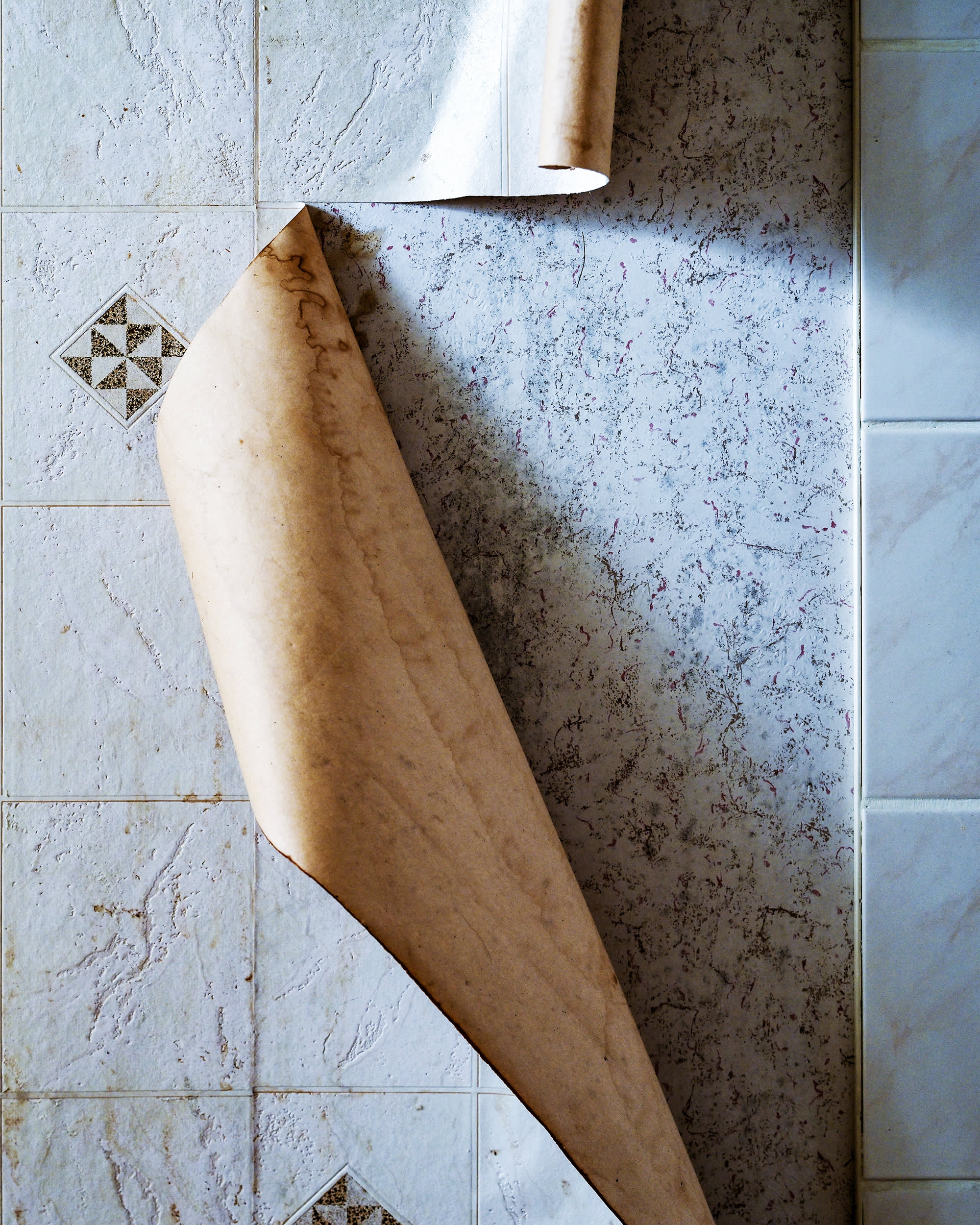
One of the most frustrating things about mold is that it doesn’t always grow where you can see it. In Viera homes, hidden mold problems are surprisingly common because moisture often develops behind walls, under flooring, or inside insulation long before visible signs appear.
I’ve inspected homes where everything looked perfectly clean on the surface, yet moisture readings revealed damp drywall and mold inside wall cavities. Ever notice how a room can smell musty even when there’s no visible mold anywhere? That usually means the problem is hiding somewhere out of sight.
Let’s look at where hidden mold develops, why it happens, and what homeowners in Brevard County should know.
Why Mold Often Grows Out of Sight
Mold needs moisture, and moisture doesn’t always stay on surfaces. Water from leaks, humidity, or condensation often spreads into building materials where it remains trapped.
Common reasons hidden mold develops include:
- Slow plumbing leaks
- Roof leaks that dampen insulation
- AC condensation
- High humidity inside walls or closets
When moisture stays trapped, mold begins growing quietly inside materials.
Rhetorical question time: if water soaks into drywall, does it dry immediately? Usually not.
That hidden dampness creates ideal conditions for mold.
Where Hidden Mold Is Commonly Found
During inspections in Viera homes, hidden mold often appears in predictable areas.
Frequent locations include:
- Behind drywall after leaks
- Under flooring or carpet
- Inside cabinets near plumbing
- Inside HVAC systems
These areas trap moisture and receive little airflow, which allows mold to grow gradually.
IMO, wall cavities near plumbing are one of the most common hidden mold locations.
Early Signs of Hidden Mold
Because mold remains out of sight, warning signs often appear before mold becomes visible.
Homeowners may notice:
- Persistent musty odors
- Unexplained humidity
- Peeling paint or bubbling drywall
- Stains appearing slowly on ceilings or walls
These clues often indicate moisture conditions that allow mold to grow.
FYI, odors are usually the first sign homeowners notice.
Why Hidden Mold Affects Indoor Air Quality
Even when mold stays inside walls or other enclosed areas, spores can enter indoor air through small openings, electrical outlets, or ductwork.
This can lead to:
- Odors spreading through rooms
- Air feeling stale or heavy
- Irritation or discomfort indoors
Ever wonder why one room smells musty while others seem fine? Hidden mold nearby often explains that difference.
Air doesn’t need large openings to move—it travels through small gaps easily.
The Role of Humidity in Hidden Mold
Humidity plays a major role in hidden mold growth, especially in Florida homes. Even without leaks, high humidity can cause condensation inside walls and closets.
Humidity-related hidden mold often develops in:
- Closets
- Exterior walls
- Attics
These areas may feel dry on the surface while moisture remains inside materials.
Humidity plus time often equals hidden mold.
How Mold Inspection Detects Hidden Problems
Inspection helps identify hidden mold by locating moisture first. Tools such as moisture meters and thermal imaging cameras detect damp areas that aren’t visible.
Inspection may reveal:
- Damp drywall
- Elevated humidity levels
- Hidden mold growth
Mold testing may also help determine whether airborne mold levels are elevated indoors.
Inspection identifies conditions. Testing measures the air.
Together, they provide a clearer picture of the situation.
Mold Removal and Remediation for Hidden Mold
If hidden mold is confirmed, remediation may include:
- Removing contaminated materials
- Cleaning structural surfaces
- Drying affected areas
- Correcting moisture sources
Containment may also be used to prevent spores from spreading during cleanup.
The most important step is always correcting the moisture problem.
Without moisture control, mold often returns.
Preventing Hidden Mold in Viera Homes
Homeowners can reduce hidden mold risk by:
- Repairing leaks promptly
- Monitoring indoor humidity
- Maintaining HVAC systems
- Inspecting areas near plumbing regularly
These steps help prevent moisture from remaining trapped inside building materials.
Ever notice how homes that stay dry rarely develop musty odors? Moisture control makes the biggest difference.
Why Acting Early Saves Time and Money
One consistent lesson from inspections is that early action prevents larger remediation projects later.
When hidden moisture problems are addressed early:
- Mold remains limited
- Repairs stay smaller
- Structural materials remain intact
Waiting allows mold to spread into drywall, insulation, and framing, increasing both cost and repair time.
Maintenance almost always costs less than restoration.
Final Thoughts
Hidden mold problems in Viera homes usually develop because moisture becomes trapped inside building materials where it cannot dry quickly. Because these problems remain out of sight, odors and humidity often provide the first clues.
Understanding early warning signs, controlling humidity, and scheduling inspections when needed helps homeowners detect hidden mold before it spreads and causes larger repairs.