
Mold Testing in Indian Harbour Beach: What Homeowners in Brevard County Should Know
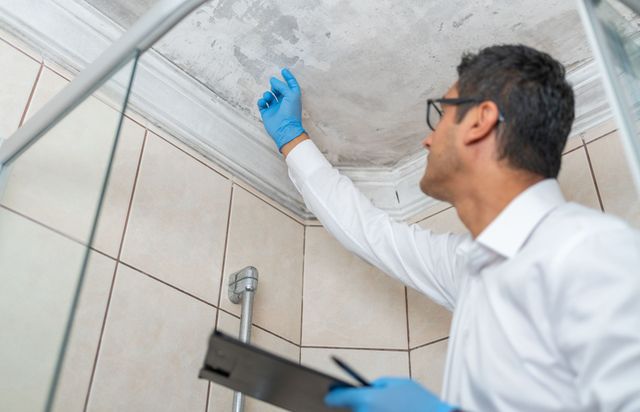
Mold testing is one of those topics homeowners usually hear about only after something feels wrong. Maybe there’s a musty odor, a stain that keeps coming back, or humidity that never seems to settle down. In Indian Harbour Beach homes, testing often becomes important because coastal humidity and frequent storms create conditions where mold can grow quietly before anyone notices.
I’ve seen homes where everything looked clean, but testing revealed elevated airborne mold levels caused by hidden moisture. Ever notice how a house can smell slightly damp even when walls and ceilings look fine? That’s often when testing provides useful answers.
Let’s walk through what mold testing actually does, when it helps, and what homeowners in Brevard County should know.
What Mold Testing Actually Measures
Many people think mold testing is about finding mold on surfaces, but testing usually focuses on the air inside the home. The goal is to determine whether mold spores are present at levels higher than normal.
Mold testing may help:
- Measure airborne mold levels
- Compare indoor and outdoor air samples
- Identify mold types present
Rhetorical question time: if mold spores exist everywhere naturally, how do you know when there’s a problem? Testing helps answer that by comparing indoor conditions to normal environmental levels.
Testing doesn’t replace inspection—it complements it.
Why Mold Testing Matters in Coastal Homes
Indian Harbour Beach homes face higher humidity levels than many inland areas. Coastal air carries more moisture, and that moisture increases the likelihood of hidden mold growth.
Conditions that make testing helpful include:
- Persistent musty odors
- Recent water damage
- High indoor humidity
- Concerns about indoor air quality
IMO, humidity-related mold issues often remain hidden longer than leak-related problems, which makes testing especially useful in coastal environments.
Humidity doesn’t always leave visible evidence, but testing can reveal its effects.
When Homeowners Should Consider Mold Testing
Mold testing isn’t always necessary, but certain situations make it helpful.
Homeowners often request testing when:
- Odors persist without visible mold
- Mold has been cleaned but concerns remain
- Water damage occurred recently
- Allergy-like symptoms worsen indoors
These situations often indicate hidden mold or elevated airborne spores.
Ever notice how symptoms or odors improve when you leave the house? That pattern sometimes leads homeowners to request testing.
Types of Mold Testing Commonly Used
Several methods help evaluate mold conditions inside homes.
Common testing methods include:
- Air sampling to measure airborne spores
- Surface sampling to analyze visible growth
- Swab or tape sampling for specific areas
Air sampling remains the most common method because it helps evaluate indoor air quality.
FYI, air samples usually compare indoor and outdoor conditions to determine whether mold levels are elevated.
What Happens During Mold Testing
Testing typically takes a short amount of time and doesn’t require major disruption to the home.
A typical process includes:
- Identifying areas of concern
- Collecting air or surface samples
- Sending samples to a laboratory
- Reviewing results
Results usually provide:
- Spore counts
- Mold categories or types
- Comparisons to outdoor air
Testing provides data that helps guide next steps.
The Difference Between Inspection and Testing
Many homeowners confuse mold inspection and mold testing, but they serve different purposes.
Inspection:
- Identifies moisture sources
- Locates visible or hidden mold
- Determines conditions causing growth
Testing:
- Measures airborne spores
- Confirms mold presence in certain situations
Inspection finds the cause. Testing measures the environment.
Both work best together.
Where Mold Often Goes Undetected
Testing often reveals mold in areas homeowners don’t check regularly.
Common hidden locations include:
- Behind drywall
- Inside HVAC systems
- Under flooring
- Inside insulation
These areas trap moisture and allow mold to grow gradually.
Ever wonder why a room smells musty but looks clean? Hidden mold often explains that.
How HVAC Systems Affect Mold Testing Results
HVAC systems circulate air throughout the home. If mold develops inside ducts or air handlers, spores can spread into multiple rooms.
Signs HVAC systems may be involved include:
- Odors strongest when the AC runs
- Mold appearing in multiple rooms
- Persistent indoor odors
Air circulation distributes spores quickly, which often shows up in air sampling results.
That’s why testing sometimes includes multiple rooms for comparison.
What Happens If Mold Testing Shows Elevated Levels
When testing indicates elevated mold levels, the next step usually involves identifying the moisture source and determining whether remediation is necessary.
Possible next steps include:
- Mold inspection to locate growth
- Moisture detection
- Remediation planning
Testing doesn’t fix mold—it provides information that helps guide the solution.
Data helps homeowners make informed decisions.
Preventing Mold After Testing
Once mold issues are addressed, prevention focuses on moisture control.
Homeowners in Indian Harbour Beach can reduce mold risk by:
- Maintaining HVAC systems
- Repairing leaks promptly
- Using exhaust fans
- Monitoring humidity levels
These steps help keep indoor conditions stable and reduce the likelihood of mold returning.
Ever notice how homes that stay dry rarely develop persistent odors? Moisture control makes the biggest difference.
Why Acting Early Saves Time and Money
One consistent lesson from inspections and testing is that early detection prevents larger remediation projects.
When homeowners act early:
- Mold remains localized
- Repairs stay smaller
- Air quality improves faster
Waiting allows mold to spread into structural materials, increasing both cost and repair time.
Maintenance almost always costs less than restoration.
Final Thoughts
Mold testing in Indian Harbour Beach homes helps homeowners understand indoor air quality, confirm mold concerns, and guide decisions about inspection or remediation. Because coastal humidity creates conditions where mold can develop quietly, testing often provides valuable clarity when odors, humidity, or water damage raise concerns.
Understanding when testing helps—and combining it with inspection when necessary—allows homeowners to address mold problems early and maintain healthier indoor environments.