
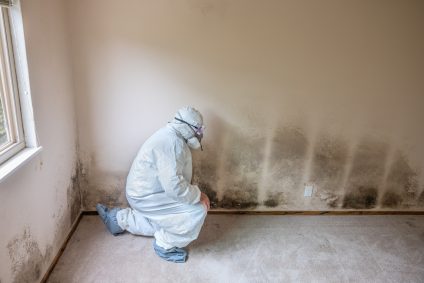
Mold Remediation in West Melbourne: What Homeowners in Brevard County Should Know
Mold problems are something many West Melbourne homeowners eventually face, especially given the climate here in Brevard County. Between year-round humidity, summer storms, hurricanes, and constant air conditioning use, moisture problems inside homes are common — and where moisture exists, mold usually follows.
Many homeowners first try to clean mold themselves, thinking the issue is minor. But in reality, once mold becomes visible, growth often exists behind walls, under flooring, or in other hidden areas. That’s where proper mold remediation becomes necessary.
Understanding what mold remediation actually involves — and why it matters — helps homeowners make smart decisions to protect their homes and avoid recurring mold problems.
Let’s walk through what homeowners in West Melbourne and across Brevard County should know.
What Mold Remediation Actually Means
Mold remediation is the professional process of safely removing mold contamination and correcting the moisture conditions that allowed mold to grow in the first place.
It’s more than cleaning a surface.
True remediation includes:
- Identifying the moisture source
- Containing mold so it doesn’t spread
- Removing contaminated materials
- Cleaning affected areas properly
- Restoring safe indoor conditions
- Preventing future mold growth
Simply wiping mold away or painting over stains doesn’t solve the problem. Mold returns unless moisture issues are corrected.
In West Melbourne homes, remediation often addresses problems caused by AC condensation, plumbing leaks, roof damage, or humidity buildup.
Why Mold Problems Are Common in Brevard County Homes
Homes throughout Brevard County face environmental challenges that create ideal mold conditions.
Constant High Humidity
Humidity in West Melbourne and surrounding cities like Palm Bay, Viera, and Rockledge stays high most of the year. If indoor humidity isn’t controlled, mold can grow quietly in walls or closets.
Heavy Rainfall and Hurricanes
Storms affecting areas from Titusville to Cocoa Beach bring wind-driven rain that can enter homes through roofs, windows, or siding.
Even small leaks can cause long-term mold growth.
AC System Condensation
Air conditioners remove moisture, but clogged drain lines or duct leaks allow condensation to collect in ceilings and walls.
Slab Foundation Homes
Many Brevard County homes sit on slab foundations, which can trap moisture under flooring after leaks or flooding.
Coastal Moisture
Nearby coastal communities like Satellite Beach and Cape Canaveral experience salt air and moisture that keep homes damp longer after rain.
All these factors combine to make mold remediation a frequent need in our region.
Signs Mold Problems Are Developing
Many mold problems become noticeable only after contamination has spread.
Common warning signs homeowners report include:
- Musty or damp odors indoors
- Visible mold spots on walls or ceilings
- Peeling paint or bubbling drywall
- Warped baseboards or flooring
- Mold near AC vents or windows
- Persistent indoor humidity
- Allergy-like irritation indoors
Often, the smell appears before mold becomes visible.
By the time homeowners see mold, hidden contamination is often already present.
Hidden Mold Locations in West Melbourne Homes
Mold frequently grows where homeowners rarely look.
Behind Walls
Small plumbing leaks or AC condensation inside walls allow mold to grow unseen.
Under Flooring
Water from leaks or minor flooding often becomes trapped under vinyl or laminate flooring.
Attics
Hot attics across Brevard County develop mold when ventilation is poor or roof leaks occur.
HVAC Systems
Air handlers and duct systems can spread mold spores if moisture accumulates.
Closets and Storage Rooms
Enclosed spaces trap moisture, especially on exterior walls.
Because many contamination areas are hidden, professional inspection is usually needed before remediation begins.
Why Ignoring Mold or Attempting DIY Cleanup Makes It Worse
Many homeowners try to save money by cleaning mold themselves. Unfortunately, this often leads to larger repairs later.
Common DIY mistakes include:
Using Bleach on Mold
Bleach lightens stains but doesn’t remove mold roots in porous materials.
Cleaning Only Visible Areas
Hidden mold remains active and continues spreading.
Painting Over Mold
Paint hides stains temporarily while mold continues growing.
Spreading Mold Spores
Scrubbing mold without containment spreads spores to other rooms.
Ignoring Moisture Sources
Without fixing leaks or humidity problems, mold returns quickly.
Homes in West Melbourne frequently show worse mold conditions because early cleanup attempts missed underlying problems.
How Professional Mold Inspection Supports Remediation
Before remediation begins, inspections identify the full scope of the issue.
Inspection steps typically include:
Visual Examination
Inspectors check walls, ceilings, attics, HVAC systems, and moisture-prone areas.
Moisture Detection Tools
Thermal cameras and moisture meters locate hidden dampness.
Identifying Moisture Sources
Professionals determine whether leaks, condensation, or humidity caused mold growth.
Testing When Needed
Air or surface sampling may be used to better understand contamination levels.
Companies such as Brevard Mold Inspections & Removal focus on identifying both mold presence and moisture causes so remediation succeeds long term.
What Happens During Mold Remediation
Once contamination areas are identified, remediation begins.
Containment Setup
Plastic barriers and negative air machines prevent spores from spreading to clean areas.
Moisture Source Correction
Leaks, condensation problems, or ventilation issues must be repaired first.
Removal of Contaminated Materials
Drywall, insulation, or flooring that cannot be cleaned may need removal.
Professional Cleaning
HEPA vacuuming and specialized cleaning methods remove mold residue safely.
Air Filtration
Air scrubbers help remove airborne mold spores during cleanup.
Restoration and Prevention
Damaged materials are replaced, and prevention measures are recommended.
Proper remediation ensures mold problems do not return.
Preventing Mold After Remediation
Once remediation is complete, prevention becomes the focus.
Homeowners across West Melbourne and Brevard County can reduce future risks with practical steps.
Maintain Air Conditioning Systems
Routine AC maintenance keeps humidity under control.
Fix Leaks Quickly
Small leaks become major mold problems if ignored.
Use Proper Ventilation
Bathrooms and kitchens should vent moisture outdoors.
Monitor Indoor Humidity
Keeping humidity below 60% discourages mold growth.
Inspect After Storms
Check homes after heavy rain or hurricanes.
Maintain Roofing and Seals
Proper exterior maintenance prevents water intrusion.
Preventive maintenance protects both home value and indoor comfort.
Why Local Experience Matters in Mold Remediation
Mold remediation in Florida homes requires understanding local environmental challenges.
Professionals familiar with Brevard County know:
- How coastal humidity affects homes
- How hurricane moisture enters structures
- Slab foundation moisture behavior
- AC condensation challenges
- Local building materials and designs
Homes in West Melbourne experience different moisture patterns than coastal homes in Cocoa Beach or inland homes in Titusville.
Local experience helps ensure remediation addresses real causes, not just symptoms.
Working with experienced professionals like Brevard Mold Inspections & Removal ensures solutions match our region’s climate and building styles.
A Practical Next Step for Homeowners
Discovering mold in your home can feel stressful, but most situations are manageable when addressed correctly.
If you see mold or notice persistent moisture issues in your West Melbourne home, the best first step is understanding the full situation through professional inspection.
Knowing the extent of contamination and moisture sources allows homeowners to make informed decisions calmly and avoid repeated repairs.
Early action helps protect your home, maintain indoor comfort, and prevent small problems from becoming costly restoration projects.