
Black Mold in Melbourne: What Homeowners in Brevard County Should Know
Hearing the words “black mold” can make any homeowner uneasy. In Melbourne and across Brevard County, many residents worry when they see dark staining on walls or ceilings or smell a musty odor after a leak or storm.
The truth is, mold problems are common in Florida homes due to humidity and moisture, and most situations can be addressed effectively once the source is identified. Panic isn’t helpful, but understanding what black mold is, why it appears, and how to handle it properly can protect both your home and your peace of mind.
Whether you live in Melbourne, Palm Bay, Viera, Merritt Island, Cocoa, Titusville, Satellite Beach, or Cape Canaveral, moisture management is simply part of owning a home on the Space Coast. Let’s walk through what homeowners really need to know about black mold.
What People Mean by “Black Mold”
Homeowners use the term “black mold” to describe dark-colored mold growth. However, many different mold types appear black or dark green, and not all of them are the same.
In homes, mold often appears as:
- Dark or black patches on drywall
- Spotting on ceilings or walls
- Dark growth around vents or windows
- Staining under sinks or around plumbing
Regardless of the specific type, mold grows because moisture is present. Addressing moisture is always the real solution.
In many Melbourne homes, mold problems are less about a specific mold type and more about water or humidity issues that have gone unnoticed.
Why Black Mold Problems Occur in Brevard County Homes
Florida’s climate creates ideal mold conditions. Even well-maintained homes can develop mold when moisture sneaks into hidden areas.
Common local causes include:
High Humidity Levels
Humidity remains high throughout most of the year in Brevard County. If indoor humidity isn’t properly controlled, mold growth becomes more likely.
Storms and Hurricanes
Heavy rains affecting Cocoa Beach, Cape Canaveral, and inland communities like Melbourne and Palm Bay often lead to roof leaks or water intrusion that isn’t immediately discovered.
Air Conditioning Condensation
AC systems constantly remove moisture from the air, but clogged drain lines or poorly maintained units sometimes leak inside walls or ceilings.
Slab Foundation Homes
Many Melbourne-area homes sit on concrete slabs. Moisture trapped beneath flooring can lead to hidden mold growth under carpet or laminate.
Older Building Materials
Some homes in Rockledge, Titusville, or older Melbourne neighborhoods may have aging plumbing or roofs that allow slow leaks to develop.
In many cases, mold starts growing long before anyone realizes a problem exists.
Common Signs Homeowners Notice
Mold often reveals itself through subtle warning signs before visible growth appears.
Homeowners may notice:
- A musty or damp smell indoors
- Dark stains on ceilings or walls
- Bubbling or peeling paint
- Warped or soft flooring
- Condensation buildup around vents or windows
- Mold growth near air conditioning vents
- Recurring spots that return after cleaning
Often, Melbourne homeowners call for inspections because something “just smells off” in the home.
That odor usually points to hidden moisture.
Where Black Mold Frequently Hides
Visible mold is only part of the problem. Inspections often reveal hidden mold growth in areas homeowners rarely see.
Common hidden locations include:
Behind Drywall
Small plumbing leaks or roof leaks can allow mold to grow inside walls.
Under Flooring
Water from storms or appliance leaks often becomes trapped under laminate or carpet.
Attics
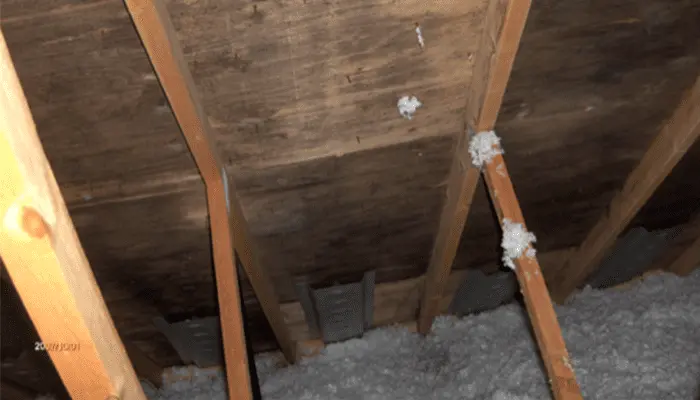
Florida attics get extremely hot, and poor ventilation allows moisture to build up, leading to mold growth on wood framing.
HVAC Systems
Condensation inside air handlers or ducts can spread mold spores through homes.
Closets on Exterior Walls
Closets sometimes trap humidity, especially in coastal communities like Satellite Beach or Merritt Island.
Laundry Rooms and Garages
These spaces often remain humid and poorly ventilated.
Hidden mold problems can grow for months without visible warning.
Why Ignoring Mold Makes Problems Worse
Some homeowners delay action, thinking mold is only cosmetic.
But mold continues to grow as long as moisture remains. Over time, this can lead to:
- Drywall damage
- Flooring replacement
- Lingering odors
- Increased repair costs
- Reduced indoor comfort
Small problems often become larger repairs when moisture issues remain unresolved.
Why DIY Mold Cleanup Often Fails
It’s common for homeowners to try removing mold themselves, especially when patches look small.
However, DIY cleanup often fails because:
- Bleach does not fully remove mold from porous materials
- Cleaning visible mold doesn’t fix hidden growth
- Scrubbing spreads spores
- Painting over stains hides, but doesn’t solve, the issue
- Moisture sources remain untreated
Mold frequently returns after surface cleaning.
How Professional Mold Inspection Helps
A professional mold inspection focuses on finding moisture sources and determining how far mold has spread.
Typical inspections include:
Visual Assessment
Inspectors examine walls, ceilings, attics, HVAC systems, and moisture-prone areas.
Moisture Detection Tools
Equipment helps detect moisture hidden behind walls or under floors.
Air or Surface Sampling (When Needed)
Sampling may help determine mold levels or confirm contamination.
Lab Analysis
Samples may be analyzed when testing is appropriate.
Experienced local companies, including Brevard Mold Inspections & Removal, prioritize locating moisture sources so mold problems don’t return.
How Mold Is Properly Removed
Effective remediation involves more than cleaning.
A proper approach includes:
Containment
Work areas are isolated to prevent spreading spores.
Fixing Moisture Sources
Leaks, condensation issues, or ventilation problems must be corrected first.
Removal of Damaged Materials
Contaminated drywall or insulation may need removal if mold is extensive.
Professional Cleaning and Filtration
Specialized equipment removes airborne mold particles.
Prevention Improvements
Ventilation or moisture control adjustments reduce future risk.
Correcting moisture is always the key to lasting success.
How Homeowners Can Prevent Mold Going Forward
Preventing mold in Brevard County requires consistent moisture management.
Homeowners can reduce risk by:
- Servicing AC systems regularly
- Clearing AC drain lines
- Using bathroom exhaust fans
- Fixing leaks immediately
- Checking roofs after storms
- Monitoring indoor humidity
- Keeping homes climate-controlled when vacant
- Inspecting attics periodically
Routine maintenance prevents many problems.
Why Local Brevard County Experience Matters
Mold issues in Florida behave differently than in dry regions.
Local professionals understand:
- Coastal humidity patterns
- Hurricane-related moisture damage
- Slab foundation moisture behavior
- Florida HVAC challenges
- Regional construction styles
Homes in Melbourne experience different moisture patterns than homes in Palm Bay or Merritt Island, making local experience important when diagnosing problems.
Professionals familiar with local conditions, such as Brevard Mold Inspections & Removal, tailor inspections and solutions to our environment.
When Should You Call for Help?
Homeowners should consider an inspection if:
- Musty odors persist
- Mold returns after cleaning
- Water damage recently occurred
- Ceiling or wall stains appear
- Flooring feels warped or soft
- A home purchase inspection raises concerns
Early investigation often prevents expensive repairs later.
A Calm Next Step for Melbourne Homeowners
Black mold concerns can feel alarming, but most mold issues begin with manageable moisture problems that can be corrected once discovered.
If you suspect mold in your Melbourne home or anywhere in Brevard County, professional guidance can help clarify what’s happening and what steps make sense.
A professional inspection provides answers without pressure, helping homeowners make informed decisions that protect both their homes and long-term comfort.