
Mold in HVAC Mold in HVAC Systems in Titusville: What Homeowners in Brevard County Should Know
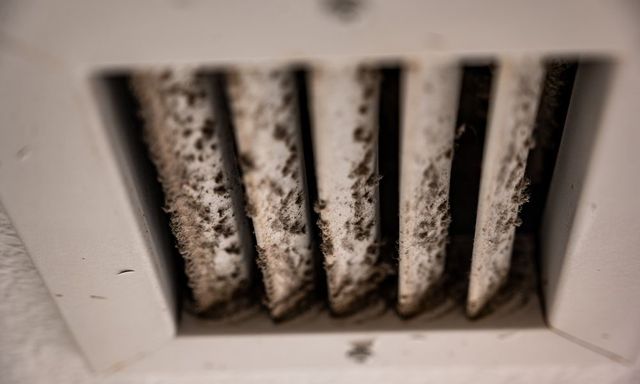
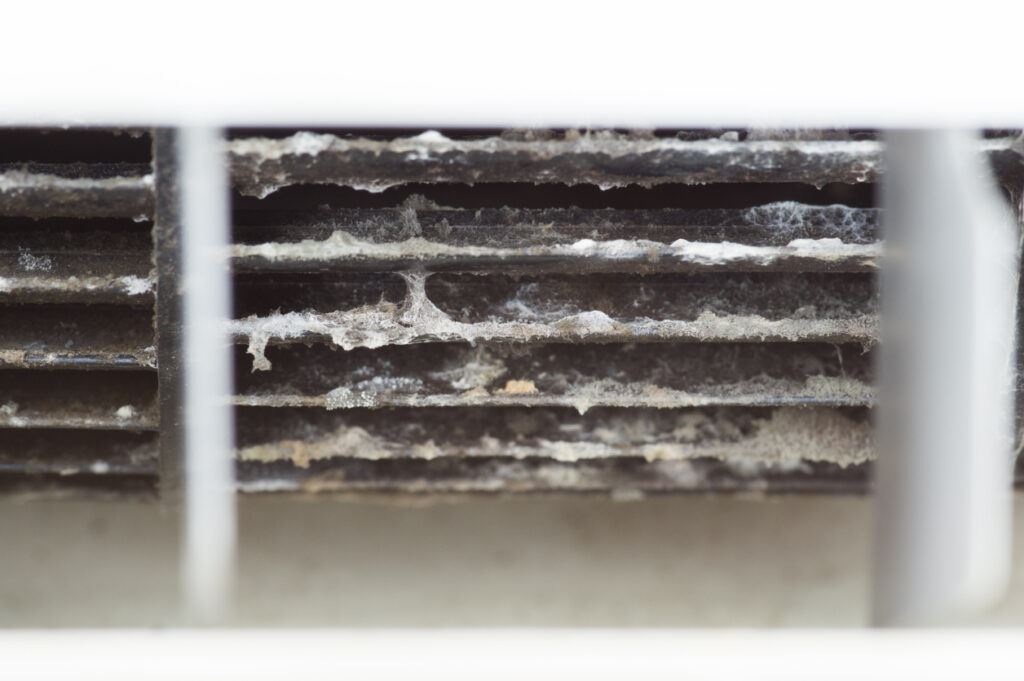

HVAC systems run almost year-round in Titusville homes, and that constant operation creates something mold needs—moisture. Many homeowners expect mold to grow on walls or ceilings, but during inspections, HVAC systems often turn out to be the hidden source of musty odors and indoor air quality concerns.
I’ve inspected homes where every room smelled slightly damp, yet no visible mold appeared anywhere. Ever notice how some odors show up only when the air conditioner turns on? That pattern often points directly to the HVAC system.
Let’s look at why mold develops in HVAC systems and what homeowners in Brevard County should know.
Why HVAC Systems Are Prone to Mold
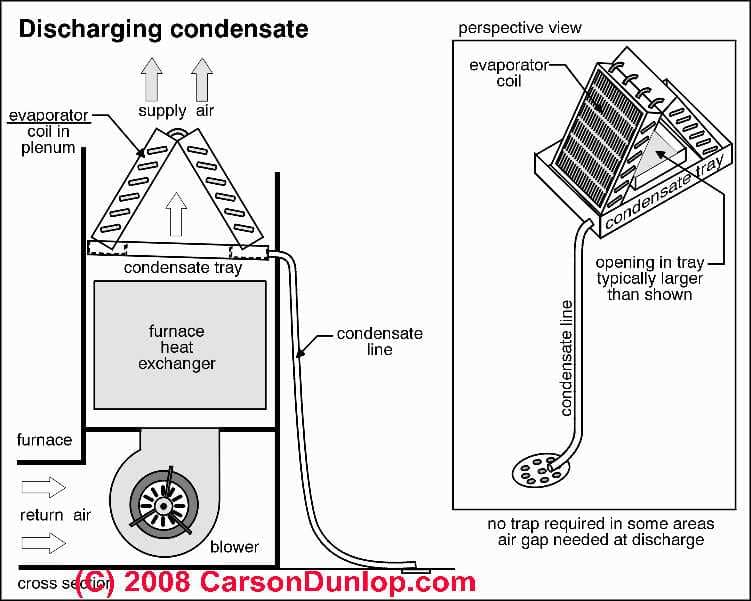
Air conditioners remove humidity from indoor air, and that process naturally creates condensation inside the system. When moisture doesn’t drain or dry properly, mold can begin growing.
Conditions that contribute to mold include:
- High humidity
- Restricted airflow
- Clogged drain lines
- Dirty air filters
Rhetorical question time: if a system produces moisture every day, what happens when drainage slows down? Moisture builds up, and mold becomes more likely.
Where Mold Develops Inside HVAC Systems
Mold rarely grows in just one place. During inspections, growth often appears in several components.
Typical locations include:
- Evaporator coils
- Drain pans
- Air handler cabinets
- Duct insulation
These areas stay dark, damp, and warm—exactly the environment mold needs.
IMO, drain pans and coils are among the most common problem areas in Florida homes.
Early Signs of HVAC Mold
HVAC mold often shows warning signs before visible growth appears.
Homeowners may notice:
- Musty odors when the AC runs
- Odors strongest near vents
- Increased dust or irritation indoors
- Condensation around registers
These signs often appear weeks before mold becomes visible.
FYI, odors that appear only during AC operation often point to moisture inside the system.
How HVAC Mold Affects Indoor Air Quality
Once mold grows inside an HVAC system, airflow spreads spores throughout the home. This can affect multiple rooms at once, even if the mold source remains hidden.
Possible signs include:
- Odors in several rooms
- Air feeling stale or heavy
- Symptoms improving when leaving the home
Air circulation distributes spores quickly, which is why HVAC mold can affect the entire house.
Ever wonder why musty smells seem to travel from room to room? Airflow explains it.
Why Humidity Increases the Risk
Titusville’s warm climate and high humidity levels increase the likelihood of condensation inside HVAC systems. Systems must work harder to remove moisture, and small drainage or airflow problems become more noticeable.
Humidity contributes to:
- Condensation buildup
- Slower drying of components
- Higher mold risk
Humidity doesn’t need leaks to cause problems—it only needs time.
The Importance of HVAC Maintenance
Regular maintenance helps prevent mold by keeping airflow and drainage working properly.
Important maintenance steps include:
- Changing air filters regularly
- Keeping drain lines clear
- Scheduling periodic system inspections
These steps reduce moisture buildup and improve indoor air quality.
Ever notice how systems that receive routine maintenance rarely develop strong odors? Maintenance prevents many problems.
The Role of Mold Inspection and Testing
When HVAC mold is suspected, inspection helps identify:
- Moisture inside components
- Visible or hidden mold growth
- Airflow or drainage issues
Mold testing may help determine whether airborne mold levels are elevated, especially when indoor air quality concerns exist.
Inspection identifies the source. Testing measures exposure.
Together, they provide a clearer understanding of conditions inside the home.
Mold Removal and Remediation for HVAC Systems
If mold develops inside an HVAC system, remediation may involve:
- Cleaning contaminated components
- Removing damaged insulation
- Correcting drainage or airflow problems
In some cases, sections of ductwork may require cleaning or replacement if contamination is extensive.
Addressing moisture remains the most important step to prevent mold from returning.
Preventing HVAC Mold
Homeowners in Titusville can reduce mold risk by:
- Maintaining HVAC systems regularly
- Monitoring indoor humidity levels
- Using exhaust fans in bathrooms and kitchens
- Addressing condensation problems promptly
These steps help keep moisture under control.
Ever notice how homes with balanced humidity rarely develop musty smells? Moisture control makes the biggest difference.
Why Acting Early Saves Time and Money
One consistent lesson from inspections is that early action prevents larger remediation projects.
When moisture problems are addressed early:
- Mold remains limited
- Repairs stay smaller
- Air quality improves faster
Waiting allows mold to spread into ductwork and insulation, increasing both cost and repair time.
Maintenance almost always costs less than remediation.
Final Thoughts
Mold in HVAC systems in Titusville homes usually develops because of condensation, humidity, and airflow issues rather than major leaks. Because HVAC systems circulate air throughout the home, mold inside them can affect indoor air quality quickly.
Understanding early warning signs, maintaining systems regularly, and addressing moisture promptly helps homeowners prevent HVAC mold problems before