Mold Prevention in Cocoa Beach: What Homeowners in Brevard County Should Know
Living in Cocoa Beach offers ocean views, sea breezes, and the relaxed coastal lifestyle that draws so many people to Brevard County. But coastal living also brings one challenge that every homeowner must manage carefully: moisture.
And where moisture exists, mold eventually follows.
In Cocoa Beach homes, mold prevention isn’t just about keeping things clean. It’s about understanding how humidity, storms, air conditioning systems, and coastal conditions interact with your home year-round.
Homeowners across Cocoa Beach, Cape Canaveral, Satellite Beach, Merritt Island, Melbourne, Palm Bay, Titusville, Rockledge, and Viera often discover mold problems only after damage has already occurred. The good news is that most mold issues are preventable with the right habits and maintenance.
Let’s look at how mold develops in our coastal environment and what homeowners can do to prevent problems before they start.
Why Mold Prevention Matters in Cocoa Beach Homes
Mold grows naturally outdoors, but indoors it becomes a problem when moisture lingers on building materials like drywall, wood, carpet, and insulation.
In Cocoa Beach, moisture is nearly constant due to:
- High coastal humidity
- Frequent rainfall
- Hurricane and storm exposure
- Salt air moisture
- Heavy air conditioning use
- Seasonal vacant homes
When moisture gets trapped inside homes, mold growth can begin within days. Over time, this can lead to odors, material damage, and costly repairs.
Prevention is far easier and less expensive than cleanup.
Why Mold Happens So Easily in Brevard County
Florida homes face unique environmental pressures compared to drier parts of the country.
Coastal Humidity
Humidity levels stay high most of the year along the Space Coast. Even when it isn’t raining, moisture remains in the air.
Frequent Storm Systems
Summer storms and hurricane season bring heavy rainfall, sometimes forcing water into roofs, walls, and windows.
Constant AC Usage
Air conditioning removes humidity, but clogged drain lines or condensation problems can leak moisture into walls or ceilings.
Slab Foundations
Many homes in Brevard County sit on concrete slabs, which can trap moisture under flooring after storms or plumbing leaks.
Seasonal Property Vacancies
Vacation homes left unoccupied without proper climate control often develop mold quickly.
These conditions mean prevention must be proactive.
Early Signs Mold May Be Developing
Preventing mold begins with recognizing warning signs early.
Homeowners often notice:
- Musty or damp smells indoors
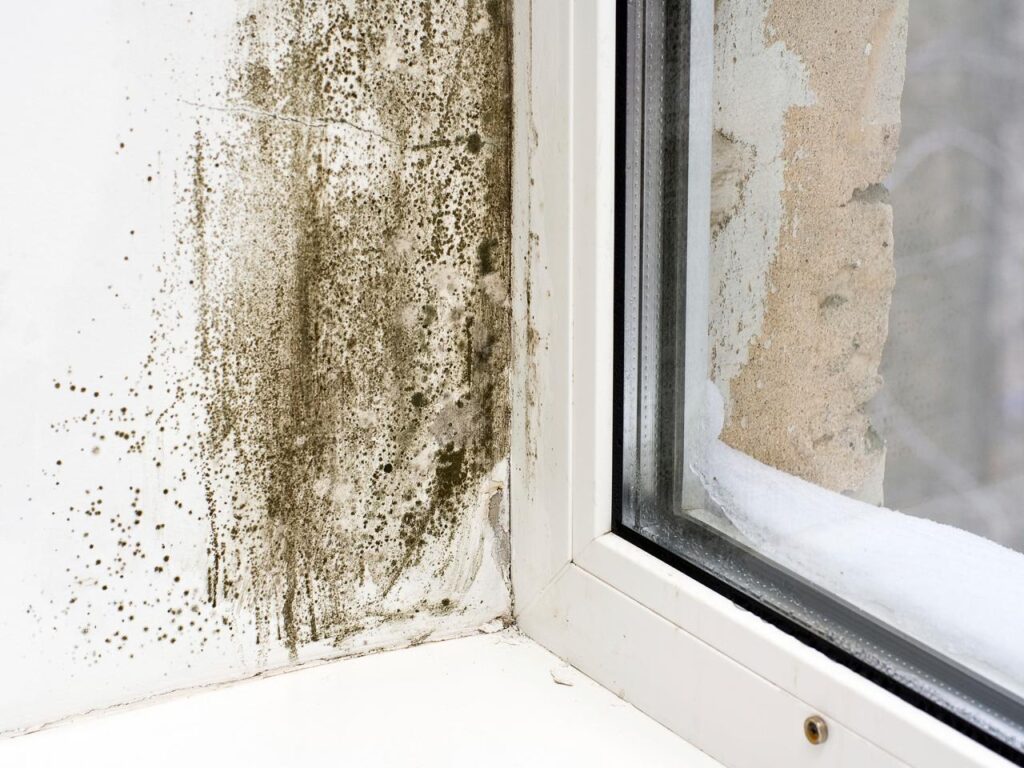
- Condensation on windows or vents
- Ceiling stains after storms
- Paint bubbling or peeling
- Soft or warped flooring
- Mold spots in bathrooms or closets
Sometimes the first sign is simply that the house feels damp or uncomfortable.
Addressing moisture early prevents mold growth.
Areas Most Vulnerable to Mold in Cocoa Beach Homes
Professional inspections across Brevard County repeatedly show mold forming in predictable locations.
Bathrooms
Steam from showers causes moisture buildup, especially without ventilation fans.
Kitchens and Laundry Rooms
Appliances and plumbing leaks can lead to hidden moisture.
Around AC Systems
Condensation leaks from air handlers or ducts often lead to hidden mold growth.
Attics
Hot attic air combined with poor ventilation traps moisture, allowing mold to grow on wood structures.
Closets and Storage Rooms
These spaces often lack airflow, especially when located along exterior walls.
Under Flooring
Water intrusion or spills that seep under laminate or carpet can lead to hidden mold.
Knowing these risk zones helps homeowners focus prevention efforts.
Why Ignoring Moisture Problems Leads to Mold
Homeowners sometimes delay repairs when leaks appear small.
But moisture problems rarely stay small. Over time:
- Mold spreads behind walls
- Drywall weakens
- Flooring materials deteriorate
- Odors develop throughout the home
- Repair costs increase
Small leaks become major repairs when ignored.
Moisture control is always the first step in prevention.
Why DIY Mold Prevention Efforts Sometimes Fail
Many homeowners try to control mold with cleaning products alone.
However, mold prevention requires moisture control, not just cleaning.
Common prevention mistakes include:
- Using bleach without addressing humidity
- Painting over stains instead of fixing leaks
- Ignoring attic ventilation issues
- Running AC without maintaining drain lines
- Turning off AC in vacant homes
Surface cleaning alone cannot stop mold if moisture remains.
How Professional Inspections Help Prevent Mold
A professional inspection can reveal conditions that lead to mold before growth becomes visible.
An inspection may include:
Visual Assessment
Inspecting attics, walls, HVAC systems, and moisture-prone areas.
Moisture Detection
Tools help locate hidden moisture behind walls or under floors.
Ventilation Review
Inspectors evaluate airflow and humidity control.
Recommendations for Prevention
Homeowners receive guidance to prevent future mold issues.
Companies such as Brevard Mold Inspections & Removal focus on identifying moisture risks early so homeowners can avoid larger problems.
What Proper Mold Prevention Looks Like
Effective mold prevention combines maintenance and moisture management.
Key prevention strategies include:
Maintain Your Air Conditioning System
Annual HVAC servicing keeps humidity under control and prevents drain line backups.
Keep Drain Lines Clear
AC drain lines should flow freely to avoid leaks.
Use Bathroom and Kitchen Ventilation
Running exhaust fans reduces indoor moisture buildup.
Inspect After Storms
Check ceilings, attics, and walls for leaks after heavy rain.
Repair Leaks Immediately
Small plumbing or roof leaks should never be delayed.
Monitor Indoor Humidity
Keep indoor humidity ideally below 60 percent.
Maintain Roof and Gutters
Clean gutters and check roofs regularly.
Keep Vacant Homes Climate Controlled
Unoccupied homes should still have humidity control.
Consistent maintenance prevents most mold issues.
Why Local Experience Matters for Cocoa Beach Homes
Homes near the coast behave differently than inland homes.
Local professionals understand:
- Coastal humidity patterns
- Storm intrusion risks
- Slab foundation moisture challenges
- Salt air effects on buildings
- Florida HVAC system demands
A prevention plan that works in Palm Bay or Viera may need adjustment for Cocoa Beach conditions.
Working with experienced local professionals ensures solutions match our climate and construction styles.
When Homeowners Should Consider a Professional Evaluation
Prevention inspections are helpful when:
- Homes have experienced recent leaks or storms
- Musty odors persist
- Mold has appeared before
- Buying or selling a home
- Homes sit vacant seasonally
- Indoor humidity feels high
Early evaluation often prevents larger repairs later.
A Calm Next Step for Cocoa Beach Homeowners
Mold prevention doesn’t require constant worry. It simply requires understanding how moisture behaves in coastal Florida homes and addressing issues early.
Most mold problems begin with small moisture conditions that can be corrected before serious damage occurs.
If you want reassurance that your Cocoa Beach home is managing moisture properly, professional guidance can provide practical recommendations without pressure — just clear information to help protect your home long term.
Local professionals, including Brevard Mold Inspections & Removal, are available when homeowners want peace of mind or expert evaluation.
Preventing mold today helps avoid costly surprises tomorrow.