
MMold in Bathrooms in Rockledge: What Homeowners in Brevard County Should Know
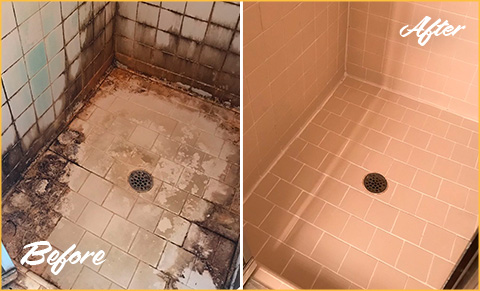
Bathrooms are one of the most common places mold develops, and in Rockledge homes the combination of humidity, daily moisture, and limited ventilation makes bathrooms especially vulnerable. Steam from showers, damp towels, and warm air create conditions mold needs to grow—even when everything looks clean.
I’ve inspected bathrooms where the only visible sign was a faint musty odor, yet moisture readings showed damp drywall behind tile or around vents. Ever notice how mirrors stay fogged long after a shower ends? That lingering humidity often explains why mold develops in bathrooms first.
Let’s look at why mold forms in bathrooms, where it hides, and what homeowners in Brevard County should know.
Why Bathrooms Are Prone to Mold
Bathrooms produce moisture every day. Hot showers and baths release steam into the air, and without proper ventilation that moisture settles on ceilings, walls, and fixtures.
Common conditions that encourage mold include:
- High humidity
- Poor ventilation
- Warm temperatures
- Daily water exposure
Rhetorical question time: if a room becomes damp every day, how long does it stay mold-free without proper airflow? Usually not very long.
Moisture plus time almost always leads to mold growth.
Where Mold Commonly Appears in Bathrooms
Mold often develops in areas that stay damp the longest.
Frequent locations include:
- Ceiling corners above showers
- Grout and caulking
- Behind vanities or cabinets
- Around windows and vents
These areas trap moisture and dry slowly, allowing mold to grow gradually.
IMO, ceiling corners and grout lines are two of the most overlooked mold spots in bathrooms.
Early Signs of Bathroom Mold
Mold rarely appears overnight. Most problems begin with small warning signs.
Homeowners may notice:
- Musty or damp odors
- Small dark spots in grout or caulking
- Peeling paint on ceilings
- Condensation lingering on walls
These signs often appear before mold spreads significantly.
FYI, odors often indicate moisture problems even before mold becomes visible.
The Role of Ventilation
Ventilation plays the biggest role in preventing bathroom mold. Exhaust fans remove humid air and help surfaces dry faster.
Common ventilation issues include:
- Fans not used regularly
- Dust buildup reducing airflow
- Fans running for only a short time
Bathrooms that dry quickly rarely develop mold problems.
Ever notice how a bathroom feels dry and comfortable when the fan runs longer? That extra drying time matters.
How Humidity Affects Mold Growth
Rockledge’s climate keeps humidity levels high much of the year. Even after steam disappears, moisture can remain in the air and on surfaces.
High humidity contributes to:
- Condensation on ceilings
- Damp fabrics and towels
- Slow drying surfaces
Mold doesn’t need standing water—humidity alone can support growth.
Humidity plus time equals mold.
Why Mold Returns After Cleaning
Many homeowners clean visible mold only to see it return. This usually happens because cleaning removes the growth but doesn’t fix the moisture problem.
Mold often returns when:
- Ventilation remains poor
- Humidity stays high
- Moisture continues to accumulate
Ever notice how mold reappears in the same location? That usually means moisture is still present.
Fixing the cause always matters more than cleaning alone.
The Importance of Mold Inspection
Inspection helps identify:
- Hidden moisture behind walls or cabinets
- Ventilation problems
- Early mold growth
Moisture meters and other tools help detect damp materials that aren’t visible.
Mold testing may also help determine whether airborne mold levels are elevated when odors persist.
Inspection identifies the source. Testing measures the air.
Together, they provide clarity.
Mold Removal and Remediation in Bathrooms
If mold becomes extensive, remediation may include:
- Removing contaminated materials
- Cleaning structural surfaces
- Improving ventilation
- Correcting moisture sources
Containment may also be used in larger cases to prevent spores from spreading.
The goal is to restore dry conditions where mold cannot grow again.
Preventing Bathroom Mold in Rockledge Homes
Homeowners can reduce mold risk by:
- Running exhaust fans during and after showers
- Leaving doors open to improve airflow
- Repairing leaks promptly
- Washing and drying bath mats regularly
These small steps significantly reduce moisture buildup.
Ever notice how bathrooms that dry quickly rarely develop musty odors? Drying time makes a big difference.
Why Acting Early Saves Time and Money
One consistent lesson from inspections is that early attention prevents larger problems.
When homeowners act early:
- Mold remains localized
- Cleaning stays simple
- Repairs stay smaller
Waiting allows mold to spread into drywall and cabinetry, increasing both cost and repair time.
Maintenance almost always costs less than remediation.
Final Thoughts
Mold in bathrooms in Rockledge homes usually develops because of humidity, daily moisture, and limited ventilation rather than major water damage. Recognizing early warning signs, improving airflow, and controlling humidity helps homeowners prevent mold before it becomes extensive.
Simple preventive habits often make the biggest difference in keeping bathrooms clean, dry, and mold-free.