
Mold and Insurance Claims in Cape Canaveral: What Homeowners in Brevard County Should Know
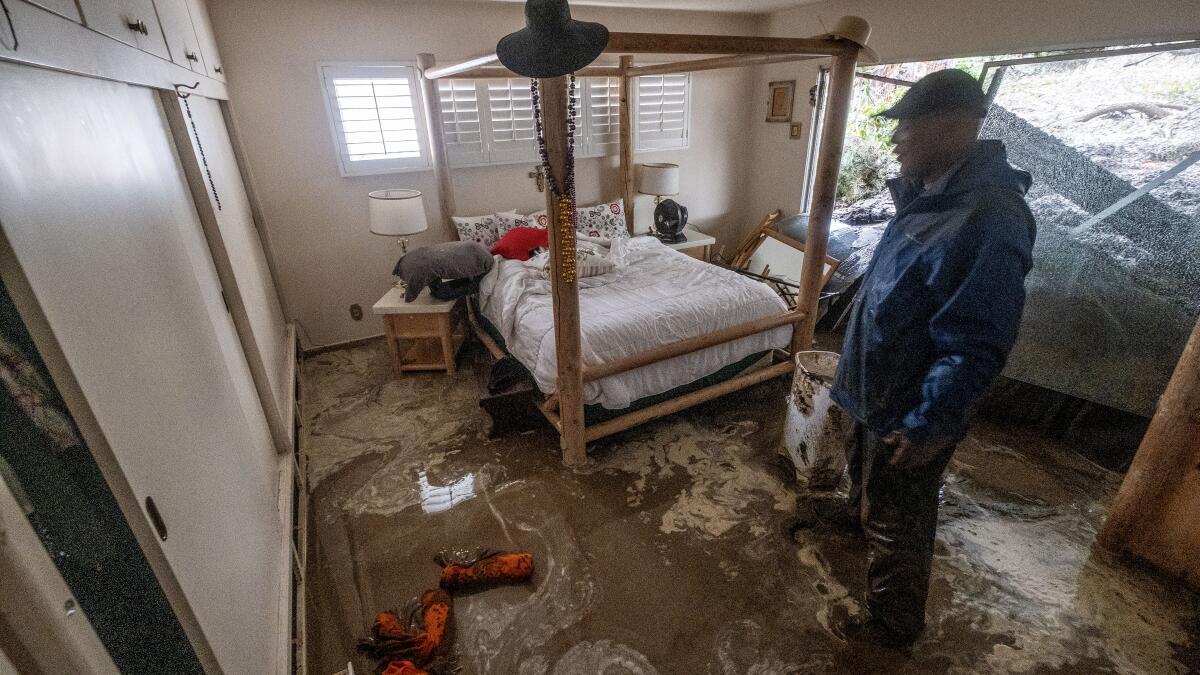
Living in Cape Canaveral means enjoying coastal views, sea breezes, and proximity to some of Brevard County’s most beautiful waterfront areas. But beachside living also brings increased exposure to storms, heavy rains, humidity, and wind-driven water intrusion — all of which raise the risk of water damage and mold.
After storms or plumbing failures, homeowners often face a second challenge: navigating insurance claims when mold develops. Many residents are surprised to learn that mold coverage under homeowners insurance can be confusing, limited, or denied if damage isn’t handled properly.
Across Cape Canaveral, Cocoa Beach, Merritt Island, Satellite Beach, Melbourne, Palm Bay, Titusville, Rockledge, and Viera, questions about mold and insurance claims come up regularly after storms or leaks.
Understanding how mold impacts insurance situations — and what steps homeowners should take after water damage — helps protect both property and financial interests.
Why Mold Problems Often Follow Water Damage
Mold itself rarely appears without a moisture source. Instead, it follows water intrusion.
After storms, hurricanes, or plumbing leaks, moisture can soak into:
- Drywall
- Flooring
- Insulation
- Cabinets
- Wood framing
- Ceiling materials
Even when surfaces appear dry, moisture may remain hidden behind walls or under flooring. Mold can begin developing within a day or two if materials stay damp.
In Cape Canaveral homes, wind-driven rain, roof damage, flooding, or broken pipes often trigger mold growth weeks after the original water event.
This delay is what often complicates insurance claims.
Why Water Damage and Mold Are Common in Cape Canaveral
Several local conditions make mold claims more common in this part of Brevard County.
Hurricane and Storm Exposure
Cape Canaveral homes regularly experience strong storms that can damage roofs or force water into buildings.
Coastal Wind-Driven Rain
Strong winds push rain into small openings around windows, doors, or roof edges.
High Coastal Humidity
Moist air slows drying after leaks, allowing mold growth to begin quickly.
AC Condensation Issues
Air conditioning systems run heavily, and clogged drain lines sometimes lead to water intrusion.
Seasonal or Vacant Properties
Vacation homes left unoccupied may develop moisture problems before owners return.
Because moisture exposure is frequent, mold often becomes part of post-storm insurance discussions.
How Mold Complicates Insurance Claims
Many homeowners assume insurance automatically covers mold damage. Unfortunately, coverage depends on how the damage occurred and how quickly it was addressed.
Insurance typically evaluates:
- What caused the water damage?
- Was the event sudden or gradual?
- Was damage reported quickly?
- Did the homeowner take steps to prevent further damage?
For example:
• Sudden pipe bursts may be covered.
• Long-term slow leaks often are not.
• Storm-related water intrusion may be covered.
• Neglected maintenance usually isn’t.
If mold develops because water damage wasn’t addressed quickly, insurers may deny mold-related portions of claims.
Understanding timing and documentation is critical.
Common Situations That Lead to Mold Claims
In Cape Canaveral and surrounding communities, mold claims often follow events such as:
Hurricane or Storm Roof Damage
Water intrusion through damaged roofs can soak attic insulation and ceilings.
Flooding or Standing Water
Storm surge or heavy rainfall sometimes leads to indoor flooding.
Plumbing Failures
Broken pipes, water heater leaks, or appliance failures create sudden moisture.
AC System Failures
Condensation drain issues or equipment malfunctions may leak into walls or ceilings.
Window or Door Water Intrusion
Coastal storms sometimes force water through seals or frames.
Each scenario affects insurance coverage differently.
Signs Mold Is Developing After Water Damage
Homeowners often notice mold problems weeks after the initial event.
Common warning signs include:
- Musty indoor odors
- Ceiling or wall discoloration
- Peeling or bubbling paint
- Warped flooring
- Persistent damp smells
- Mold appearing near vents or walls
By this point, moisture may still exist behind surfaces.
Acting quickly helps prevent claim complications.
Why Ignoring Early Damage Makes Claims Harder
Insurance companies expect homeowners to take reasonable steps to prevent additional damage after a loss.
If moisture remains untreated, mold spreads and repair costs increase. Insurers may argue that mold resulted from delayed action rather than the original event.
Common delays include:
- Waiting weeks to investigate leaks
- Failing to dry affected areas quickly
- Ignoring odors or stains
- Not documenting damage early
Quick response protects both property and claim validity.
Why DIY Cleanup Often Hurts Insurance Claims
Homeowners often try to handle cleanup themselves before filing claims.
However, DIY cleanup sometimes:
- Removes evidence insurers need to evaluate claims
- Leaves hidden moisture behind
- Spreads mold spores
- Fails to document original damage properly
Insurance adjusters rely on clear evidence of cause and extent of damage.
Professional inspections and documentation help avoid confusion.
How Professional Mold Inspections Help With Claims
Professional inspections provide clarity when mold appears after water damage.
A proper inspection usually includes:
Visual Damage Assessment
Inspectors document areas impacted by moisture.
Moisture Detection
Equipment identifies hidden damp areas behind walls or under floors.
Mold Evaluation
Inspectors determine whether mold growth exists and how extensive it is.
Documentation Support
Inspection findings help homeowners explain damage conditions clearly.
Companies familiar with Brevard County conditions, such as Brevard Mold Inspections & Removal, often assist homeowners in understanding how mold developed and what steps are needed next.
Clear documentation often helps claims move more smoothly.
How Mold Remediation Is Handled After Insurance Approval
Once claims are approved, remediation focuses on safely restoring the home.
Typical remediation includes:
Containment Setup
Prevent mold spores from spreading during cleanup.
Removal of Damaged Materials
Wet drywall, insulation, or flooring may require replacement.
Professional Cleaning
Specialized equipment removes mold residue and airborne particles.
Moisture Correction
Repairs address leaks or intrusion sources.
Prevention Improvements
Ventilation or drainage changes reduce future risk.
Moisture control remains the key to long-term success.
How Homeowners Can Prevent Mold Claim Problems
Prevention reduces both mold risks and insurance complications.
Homeowners should:
- Inspect homes after storms
- Repair roof or plumbing damage quickly
- Dry wet materials immediately
- Keep AC drain lines clear
- Monitor indoor humidity
- Maintain roofs and windows
- Document damage promptly
- Keep homes climate-controlled when vacant
Quick action often prevents mold growth and simplifies claims.
Why Local Brevard County Experience Matters
Insurance situations involving mold often depend on local conditions.
Professionals familiar with Cape Canaveral and surrounding communities understand:
- Coastal storm intrusion patterns
- Slab foundation moisture behavior
- Local construction methods
- Hurricane damage risks
- Florida humidity effects
Homes in Cape Canaveral face different moisture risks than inland communities like Viera or Palm Bay, making local expertise valuable.
Working with professionals who understand Brevard County conditions ensures inspections and solutions match the realities of coastal living.
When Should Homeowners Seek Professional Help?
Consider professional evaluation if:
- Water damage recently occurred
- Mold appears after storms
- Musty odors persist
- Ceiling stains develop
- Insurance claims are being filed
- Indoor humidity feels high
Early inspections help prevent larger repair costs and claim disputes.
A Calm Next Step for Cape Canaveral Homeowners
Water damage and mold concerns after storms can feel overwhelming, especially when insurance questions arise.
Most mold problems begin with manageable moisture conditions that can be corrected once discovered. Professional guidance helps homeowners understand damage clearly, document conditions properly, and make informed decisions moving forward.
For homeowners in Cape Canaveral and throughout Brevard County, experienced local professionals can help provide clarity and practical next steps without pressure — just information that protects homes and long-term peace of mind.