
Mold FAQs in Melbourne: What Homeowners in Brevard County Should Know
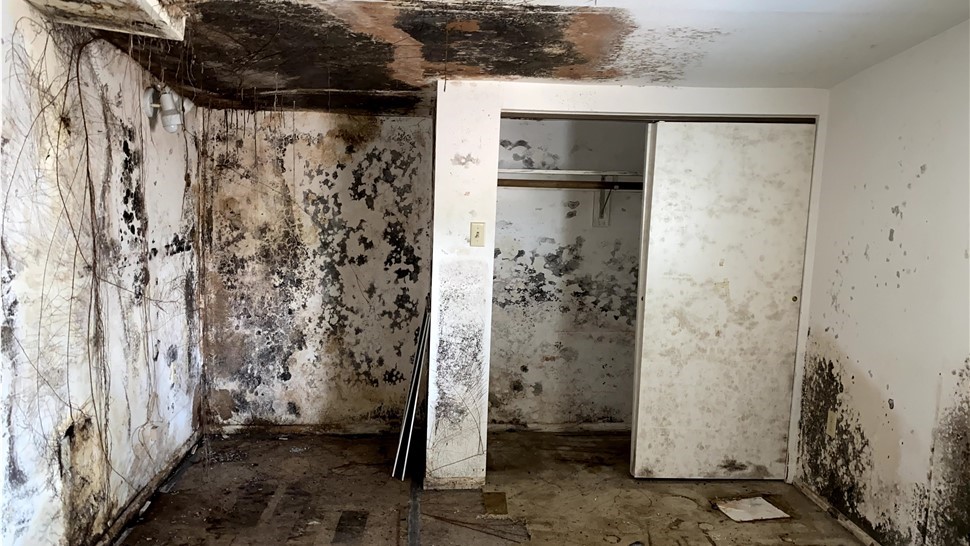
Homeowners in Melbourne ask a lot of the same questions about mold, and honestly, that makes sense. Mold problems can feel confusing—sometimes you see it, sometimes you only smell it, and sometimes you don’t notice anything until damage appears. I’ve answered these same questions during inspections many times, so let’s go through the most common ones in plain, practical terms.
Ever notice how mold always seems to raise more questions than answers? That’s because moisture problems don’t always behave the same way from one home to another.
Below are some of the most frequently asked questions homeowners in Brevard County have about mold.
What Causes Mold to Grow in Homes?
Mold grows when three conditions exist:
- Moisture
- Organic material like drywall or wood
- Time
Moisture is always the main factor. Without moisture, mold cannot grow.
Rhetorical question time: if moisture disappears quickly, what happens to mold growth? It usually stops before it starts.
That’s why moisture control matters more than anything else.
How Fast Can Mold Grow?
Under the right conditions, mold can begin growing within 24 to 72 hours after water exposure.
This usually happens after:
- Plumbing leaks
- Roof leaks
- Flooding or storms
- AC condensation
Growth often begins in hidden areas long before it becomes visible.
IMO, delayed discovery is one of the biggest reasons mold spreads.
Is All Mold Dangerous?
Not all mold types affect people the same way. Many molds are common in indoor and outdoor environments, but elevated levels indoors can affect air quality and comfort.
Important points:
- Color alone doesn’t identify mold type
- Testing helps determine mold levels
- Moisture control matters more than mold color
Ever notice how some people react strongly to mold while others don’t notice anything? Sensitivity varies widely.
What Are the Early Signs of Mold?
Mold often gives subtle warning signs before visible growth appears.
Common early signs include:
- Musty odors
- Persistent humidity
- Peeling paint
- Small dark spots
FYI, odors often appear before mold becomes visible.
That smell usually signals moisture somewhere nearby.
Where Does Mold Usually Grow?
In Melbourne homes, mold often develops in areas that trap moisture.
Frequent locations include:
- Bathrooms
- Attics
- Crawl spaces
- Around windows or plumbing
These areas stay damp longer and receive less airflow.
Ever wonder why mold often appears in corners or closets first? Airflow is limited in those areas.
Can Mold Grow Without a Leak?
Yes, mold can grow without any obvious leak. High humidity alone can provide enough moisture for mold to develop, especially in Florida’s climate.
Humidity-related mold often appears in:
- Closets
- Attics
- Exterior walls
Humidity doesn’t need standing water—it only needs time.
How Does Mold Affect Indoor Air Quality?
Mold releases microscopic spores into the air as it grows. Elevated mold levels can contribute to odors and discomfort indoors.
Homeowners sometimes notice:
- Stale air
- Musty smells
- Air feeling heavy
Ever notice how air sometimes feels fresher outside than inside? Indoor air quality often explains that difference.
Air circulation spreads spores easily.
When Should a Homeowner Schedule a Mold Inspection?
Inspection is often helpful when:
- Musty odors persist
- Mold returns after cleaning
- Water damage has occurred
- Humidity remains high
Inspections help identify moisture sources and hidden mold growth.
Inspection identifies the cause. Testing measures the air.
Together, they provide a clearer understanding of conditions inside the home.
How Is Mold Removed?
Mold removal depends on the extent of contamination. Small areas may require cleaning, while larger problems may require remediation.
Remediation may include:
- Removing contaminated materials
- Cleaning structural surfaces
- Drying affected areas
- Correcting moisture sources
Correcting moisture remains the most important step.
Without moisture control, mold often returns.
How Can Homeowners Prevent Mold?
Preventing mold usually involves simple maintenance steps:
- Repair leaks quickly
- Maintain HVAC systems
- Monitor indoor humidity
- Improve ventilation
Ever notice how homes that stay dry rarely develop musty odors? Prevention works.
Small steps often prevent large problems.
Why Acting Early Matters
One consistent lesson from inspections is that early action prevents larger repairs.
When homeowners act early:
- Mold remains localized
- Repairs stay smaller
- Indoor air quality improves faster
Waiting allows mold to spread into building materials, increasing both cost and repair time.
Maintenance almost always costs less than restoration.
Final Thoughts
Mold FAQs in Melbourne often come down to one simple principle: moisture control prevents most mold problems. Understanding how mold develops, recognizing early signs, and scheduling inspections when needed helps homeowners avoid costly repairs and maintain healthier indoor air.
Staying proactive and addressing moisture quickly makes the biggest difference in keeping homes mold-free.