
Mold After Hurricanes in Cocoa: What Homeowners in Brevard County Should Know
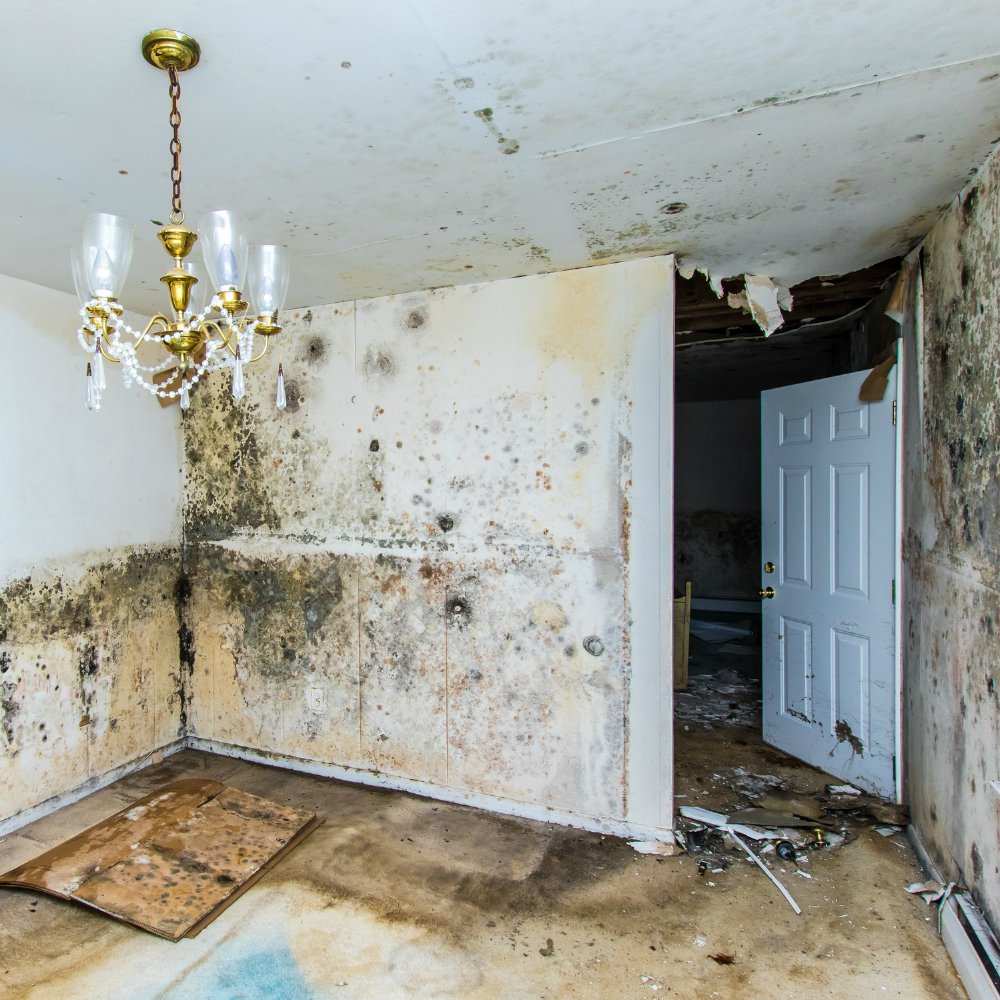
Hurricanes bring strong winds and heavy rain, but for many homeowners in Cocoa, the real problem begins after the storm passes. Water intrusion, high humidity, and slow drying conditions create an environment where mold can develop quickly—sometimes before homeowners even realize moisture remains.
I’ve inspected homes where everything looked dry on the surface just days after a storm, yet moisture readings revealed damp drywall and insulation behind the walls. Ever notice how a musty smell sometimes appears a week or two after storm damage? That delay often means hidden moisture is still present.
Let’s look at how hurricanes lead to mold problems and what homeowners in Brevard County should know.
Why Hurricanes Create Ideal Conditions for Mold
Hurricanes introduce large amounts of moisture into homes in several ways.
Common causes include:
- Roof leaks
- Window or door intrusion
- Flooding or standing water
- High humidity after the storm
Rhetorical question time: if materials stay damp for several days in Florida heat, what happens next? Mold usually begins to grow.
Moisture and time always create risk.
How Quickly Mold Can Develop After Storms
Under the right conditions, mold can begin developing within 24 to 72 hours after water exposure. That’s why quick drying matters so much after hurricanes.
Materials most vulnerable include:
- Drywall
- Insulation
- Carpet and padding
- Wood framing
These materials absorb water and hold moisture long after surfaces appear dry.
IMO, hidden moisture causes most post-hurricane mold problems.
Where Mold Often Appears After Hurricanes
During inspections in Cocoa homes, mold often develops in areas affected by storm-related moisture.
Frequent locations include:
- Behind baseboards and drywall
- Inside insulation
- Under flooring
- Inside closets and low-airflow areas
These spaces dry slowly and allow mold to grow unnoticed.
Ever notice how some rooms smell musty even when walls look clean? Moisture behind materials often explains it.
The Role of Humidity After a Hurricane
Even when homes avoid flooding, humidity remains high for days or weeks after storms. That lingering moisture slows drying and increases mold risk.
Humidity can cause:
- Condensation on walls and ceilings
- Damp insulation
- Mold growth in closets and corners
FYI, running air conditioning and dehumidifiers after a storm helps remove excess moisture from indoor air.
Humidity alone can support mold growth if drying takes too long.
Why Hidden Moisture Is the Biggest Risk
Visible water usually gets cleaned quickly, but moisture trapped inside building materials often goes unnoticed.
Hidden moisture commonly occurs:
- Behind drywall
- Under flooring
- Around window frames
Ever wonder why mold sometimes appears weeks after a storm? Hidden moisture usually explains the delay.
Drying the surface isn’t always enough.
The Importance of Inspection After Storm Damage
Inspection helps identify:
- Damp materials that aren’t visible
- Areas at risk of mold growth
- Moisture sources still present
Moisture meters and thermal imaging tools can detect water inside walls and ceilings.
Mold testing may also help determine whether airborne mold levels have increased.
Inspection identifies the cause. Testing measures the air.
Together, they provide clarity.
Mold Removal and Remediation After Hurricanes
If mold develops after storm damage, remediation may include:
- Removing mold-damaged materials
- Cleaning structural surfaces
- Drying affected areas thoroughly
- Correcting moisture sources
Containment and air filtration may also be used during cleanup to prevent spores from spreading.
The goal is always to restore dry, stable conditions.
Without proper drying, mold often returns.
Preventing Mold After a Hurricane
Homeowners in Cocoa can reduce mold risk by:
- Drying wet materials as quickly as possible
- Running air conditioning and dehumidifiers
- Inspecting walls, ceilings, and flooring after storms
- Addressing leaks immediately
The first few days after water exposure are the most important.
Ever notice how materials that stay damp develop odors quickly? Early drying makes a big difference.
Why Acting Early Saves Time and Money
One consistent lesson from inspections is that early action prevents larger remediation projects.
When moisture problems are addressed early:
- Mold remains limited
- Repairs stay smaller
- Indoor air quality improves faster
Waiting allows mold to spread into structural materials, increasing both cost and repair time.
Maintenance almost always costs less than restoration.
Final Thoughts
Mold after hurricanes in Cocoa homes usually develops because moisture remains trapped in building materials long after visible water disappears. High humidity and slow drying conditions increase the risk, especially in Florida’s climate.
Understanding early warning signs, drying affected areas quickly, and scheduling inspections when needed helps homeowners prevent storm damage from turning into long-term mold problems.