
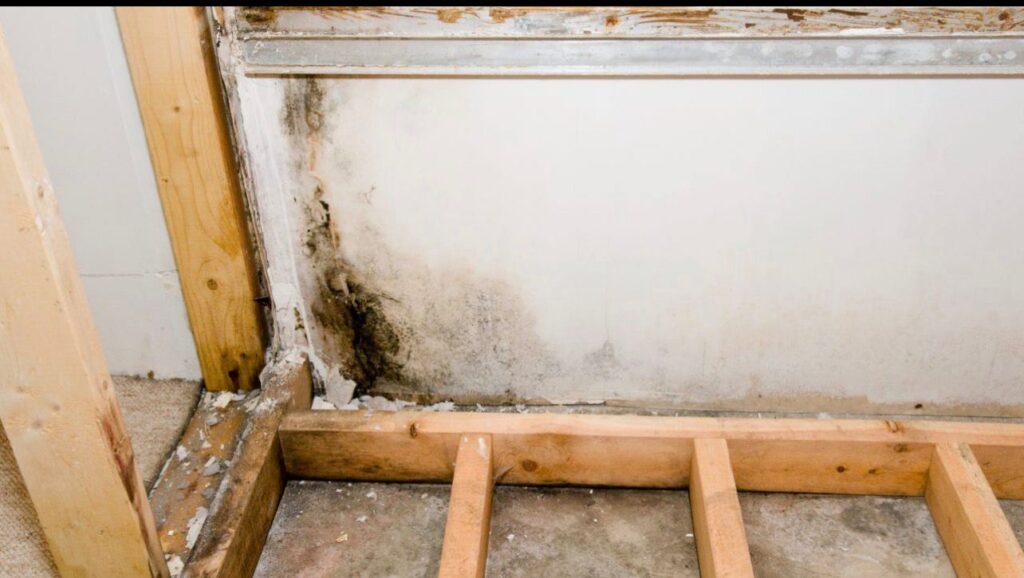
Hidden Mold Problems in West Melbourne: What Homeowners in Brevard County Should Know
If you live in West Melbourne, you already understand how much moisture plays a role in everyday home maintenance. Between heavy summer rain, hurricane season, slab foundations, attic heat, and constant AC use, Florida homes experience ongoing humidity pressure.
What many homeowners don’t realize is that mold in Brevard County often grows out of sight.
Hidden mold doesn’t always show obvious black spots on walls. Sometimes the only clue is a musty smell or a slightly damp feeling indoors. Understanding where hidden mold forms — and why — helps West Melbourne homeowners address problems early and avoid larger repairs later.
Let’s break it down clearly and practically.
What Hidden Mold Really Means
Hidden mold is mold growth that develops behind, beneath, or inside building materials — where it isn’t immediately visible.
In West Melbourne homes, mold commonly grows:
- Behind drywall
- Under laminate or carpet
- Inside attic insulation
- In crawl spaces
- Around HVAC systems
- Beneath cabinets
- Behind bathroom tiles
Because Florida’s climate provides constant humidity, mold often grows slowly and quietly before becoming noticeable.
Why Hidden Mold Is Common in West Melbourne
West Melbourne homes experience several moisture challenges specific to Brevard County.
High Year-Round Humidity
Humidity levels frequently exceed 60%, especially during late summer and early fall.
Heavy Rainfall and Storms
Even if a roof leak seems minor, wind-driven rain during hurricane season can dampen insulation inside walls.
Slab Foundations
Concrete absorbs ground moisture. After heavy rain in Palm Bay or West Melbourne, slab moisture may rise into flooring systems.
Continuous AC Use
Cold air inside warm, humid attic spaces causes condensation on ductwork.
Poor Ventilation
Attics without balanced airflow trap moisture, allowing mold to grow on roof decking.
All of these conditions can create hidden moisture pockets.
Common Signs of Hidden Mold
Because the mold itself may not be visible, the signs can be subtle.
Homeowners in West Melbourne often notice:
- Persistent musty odors
- Damp smell after heavy rain
- Warped or buckling flooring
- Ceiling stains
- Recurring mold in bathrooms
- Peeling paint
- Increased indoor humidity
- Mold reappearing after cleaning
If odor intensifies when the AC runs or after storms, hidden moisture may still be present.
Where Hidden Mold Often Develops
Let’s look at the most common hidden areas in Brevard County homes.
Behind Drywall
Slow plumbing leaks or minor window seal failures allow water to enter wall cavities.
Insulation and wood framing remain damp long after the surface appears dry.
Under Flooring
Laminate and vinyl flooring trap moisture rising from slabs.
In Rockledge and Viera homes, slab moisture is one of the most common hidden mold sources.
Attics
Improperly vented bathroom fans often release moist air into attic spaces.
Combined with extreme attic heat, condensation forms on roof decking.
Crawl Spaces
In older Cocoa or Titusville homes, crawl spaces experience ground moisture and duct condensation.
Air from crawl spaces can move upward into living areas.
HVAC Systems
Clogged condensate drain lines and duct sweating in attics contribute to hidden mold inside air handlers and insulation.
In Palm Bay homes, HVAC-related moisture is frequently overlooked.
Why Surface Cleaning Isn’t Enough
When homeowners see mold in one area and clean it, they often assume the problem is solved.
But if hidden moisture remains:
- Mold returns
- Odors persist
- Contamination spreads
- Structural materials weaken
Bleach does not penetrate drywall or wood framing effectively.
Painting over mold traps moisture inside materials.
In Florida’s climate, moisture correction is always the foundation of long-term success.
How Professional Mold Inspections Identify Hidden Issues
A structured inspection focuses on finding moisture — not just visible mold.
In West Melbourne homes, this typically includes:
Visual Assessment
Checking ceilings, walls, baseboards, attic spaces, and HVAC systems.
Moisture Meter Readings
Measuring moisture levels behind drywall and under flooring.
Thermal Imaging
Identifying temperature differences that suggest hidden dampness.
Attic and Crawl Space Evaluation
Inspecting insulation, ventilation, and ductwork.
Air Sampling (When Appropriate)
Comparing indoor and outdoor mold spore levels to assess whether hidden growth may be present.
At Brevard Mold Inspections & Removal, inspections prioritize moisture mapping specific to Brevard County construction styles.
How Hidden Mold Is Properly Addressed
If hidden mold is confirmed, remediation typically includes:
- Containing affected areas
- Removing contaminated drywall or insulation
- Cleaning structural framing
- HEPA filtration
- Correcting leaks or ventilation issues
- Thorough drying before reconstruction
Drying is critical in West Melbourne’s humid climate.
Without proper drying, mold can reappear behind new materials.
Preventing Hidden Mold in West Melbourne
Prevention revolves around moisture awareness.
Homeowners can reduce risk by:
- Keeping indoor humidity below 60%
- Servicing AC systems annually
- Flushing condensate drain lines
- Inspecting attic ventilation
- Addressing roof leaks quickly
- Checking slab moisture after heavy rain
- Inspecting crawl spaces (if applicable)
- Ensuring bathroom fans vent outdoors
After hurricanes or strong storms, early inspection helps prevent hidden growth.
Why Local Experience Matters
Hidden mold in West Melbourne behaves differently than in dry inland climates.
Here, we deal with:
- Coastal humidity
- Hurricane rainfall
- Slab foundations
- High water tables
- Continuous AC operation
- Attic heat buildup
Homes in West Melbourne differ from waterfront properties in Merritt Island or oceanfront condos in Cape Canaveral.
Understanding Brevard County’s building patterns ensures inspections focus on realistic moisture pathways.
Local knowledge prevents unnecessary demolition and ensures accurate diagnosis.
A Calm, Practical Approach
If you suspect hidden mold in your West Melbourne home, the first step is identifying moisture.
Most hidden mold issues are manageable when addressed early.
There’s no need for alarm — just informed action.
A professional inspection can clarify:
- Whether moisture is present
- Where it is located
- What corrective steps are appropriate
Brevard Mold Inspections & Removal provides experienced, locally informed inspections tailored specifically to Brevard County homes.
In Florida, managing moisture thoughtfully protects both your property and your peace of mind.