
Mold Remediation in Viera: What Homeowners in Brevard County Should Know
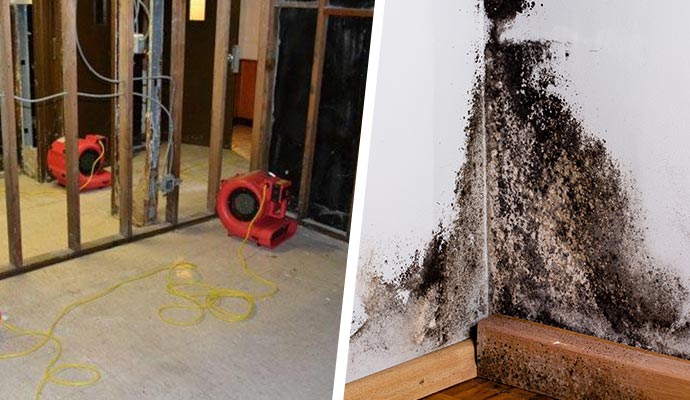
Mold remediation sounds complicated, but the goal is actually simple: remove mold safely and correct the conditions that allowed it to grow. In Viera homes, remediation often becomes necessary after water damage, high humidity, or leaks that weren’t fully dried.
I’ve inspected homes where mold was cleaned several times, yet it kept returning because moisture problems remained. Ever notice how mold sometimes reappears in the exact same location? That usually means the underlying cause hasn’t been corrected.
Let’s look at how mold remediation works and what homeowners in Brevard County should know.
What Mold Remediation Actually Means
Mold remediation goes beyond surface cleaning. The goal is to remove contaminated materials when necessary and restore conditions where mold cannot grow again.
Remediation may include:
- Identifying moisture sources
- Containing affected areas
- Removing mold-damaged materials
- Cleaning and drying structural surfaces
Rhetorical question time: if moisture remains after cleaning, what happens next? Mold often returns.
Moisture control always comes first.
Why Mold Develops in Viera Homes
Mold problems usually begin with moisture that remains present long enough for growth to occur.
Common causes include:
- Plumbing leaks
- Roof leaks
- AC condensation
- High indoor humidity
IMO, humidity plays a bigger role in Florida mold problems than many homeowners realize.
Moisture doesn’t need to be dramatic—it only needs time.
Where Mold Is Commonly Found During Remediation
During remediation projects, mold often appears in predictable locations.
Frequent areas include:
- Behind drywall
- Inside insulation
- Around plumbing
- Under flooring
These areas retain moisture and allow mold to spread gradually.
Ever notice how odors sometimes linger even after cleaning surfaces? Hidden mold often explains that.
Steps Involved in Mold Remediation
Professional remediation follows a structured process designed to remove mold safely and prevent contamination from spreading.
Typical steps include:
- Inspection and moisture detection
- Containment of affected areas
- Removal of contaminated materials
- Cleaning and drying
Air filtration equipment may also be used to improve indoor air quality during the process.
Each step helps ensure mold doesn’t return.
Why Containment Is Important
Containment prevents mold spores from spreading into other parts of the home during remediation.
Common containment methods include:
- Plastic barriers
- Negative air pressure
- Air filtration
These steps isolate affected areas and protect clean spaces.
FYI, disturbing mold without containment often spreads spores rather than eliminating them.
The Role of HVAC Systems in Mold Remediation
HVAC systems sometimes require inspection during remediation because airflow can distribute spores throughout a home.
Signs HVAC systems may need attention include:
- Odors strongest when the AC runs
- Mold appearing in multiple rooms
- Persistent indoor air quality concerns
Air circulation moves spores quickly once mold develops inside ductwork or air handlers.
That’s why HVAC inspection often becomes part of remediation planning.
Why Mold Returns Without Proper Remediation
Mold usually returns when:
- Moisture sources remain
- Hidden mold isn’t removed
- Ventilation problems continue
Cleaning alone rarely solves mold problems if moisture conditions remain unchanged.
Ever wonder why mold keeps coming back in the same area? The underlying moisture usually explains it.
Preventing Mold After Remediation
Homeowners in Viera can reduce mold risk after remediation by:
- Repairing leaks promptly
- Maintaining HVAC systems
- Monitoring indoor humidity
- Improving ventilation
These steps help maintain dry conditions where mold cannot grow.
Ever notice how homes that stay dry rarely develop musty odors? Moisture control makes the biggest difference.
Why Acting Early Saves Time and Money
One consistent lesson from inspections is that early remediation prevents larger repairs later.
When mold problems are addressed early:
- Damage remains localized
- Repairs stay smaller
- Indoor air quality improves faster
Waiting allows mold to spread into structural materials, increasing both cost and repair time.
Maintenance almost always costs less than restoration.
Mold Removal vs Mold Remediation
Homeowners sometimes use these terms interchangeably, but they refer to slightly different processes.
Mold removal:
- Focuses on eliminating mold growth
Mold remediation:
- Includes removal plus correcting moisture and restoring safe conditions
Remediation addresses the cause, not just the symptoms.
Understanding this difference helps homeowners make informed decisions.
Final Thoughts
Mold remediation in Viera homes involves more than cleaning visible mold. Effective remediation identifies moisture sources, removes contaminated materials, and restores dry conditions that prevent mold from returning.
Understanding how remediation works helps homeowners act early, protect indoor air quality, and avoid larger structural damage later.