
Black Mold in Satellite Beach: What Homeowners in Brevard County Should Know
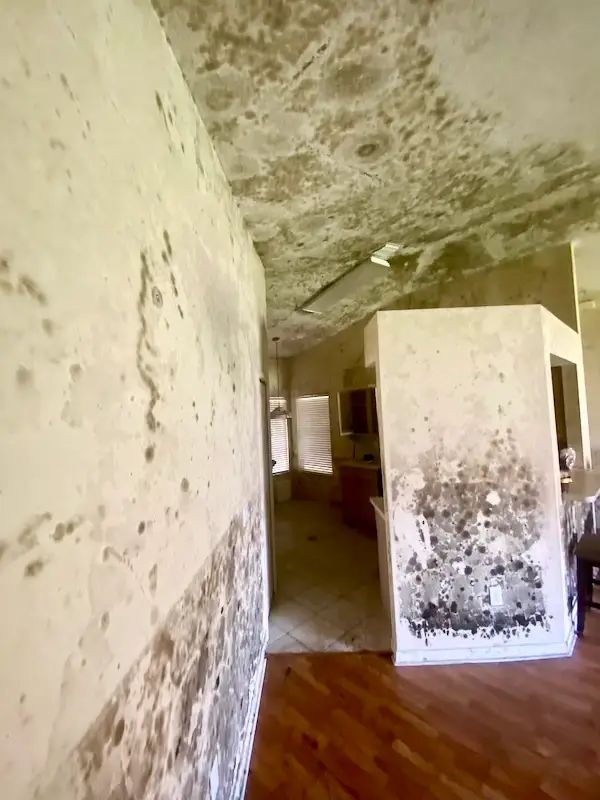
Few things concern homeowners faster than discovering dark mold on a wall or ceiling. In Satellite Beach homes, coastal humidity and moisture intrusion create conditions where mold—sometimes called black mold—can develop if moisture remains present long enough.
I’ve inspected homes where a small roof or window leak left just enough moisture behind drywall to allow mold to grow slowly over time. Ever notice how a faint stain or musty smell sometimes appears long before any large patch of mold becomes visible? That early stage is when mold is easiest to control.
Let’s look at what black mold really means and what homeowners in Brevard County should know.
What “Black Mold” Actually Means
Many homeowners use the term black mold to describe any dark-colored mold. In reality, several mold species can appear black or dark green, and visual appearance alone cannot confirm the type.
Important facts to understand:
- Mold color doesn’t confirm the species
- Testing may be required to identify mold types
- Moisture conditions matter more than color
Rhetorical question time: if different molds can look nearly identical, how can anyone tell them apart without testing? Usually, they can’t.
That’s why inspection and testing often go together.
Why Mold Develops in Satellite Beach Homes
Mold always develops for the same basic reason: moisture remains present long enough for spores to grow.
Common causes include:
- High coastal humidity
- Roof leaks after storms
- Window or door intrusion
- AC condensation
IMO, slow leaks and humidity cause more mold problems than dramatic flooding in many Florida homes.
Moisture doesn’t need to be obvious—it only needs time.
Where Black Mold Is Commonly Found
During inspections in Satellite Beach homes, mold often appears in areas that trap moisture or receive little airflow.
Frequent locations include:
- Behind drywall
- Around windows
- Under sinks
- Inside closets
These areas dry slowly and allow mold to develop gradually.
Ever notice how closets or exterior walls sometimes smell musty first? Limited airflow often explains that pattern.
Early Signs of Black Mold
Mold rarely appears suddenly. Most problems begin with subtle warning signs.
Watch for:
- Musty or earthy odors
- Small dark spots on walls or ceilings
- Peeling paint or bubbling drywall
- Persistent humidity indoors
FYI, odors often appear before visible mold becomes extensive.
That smell usually indicates moisture somewhere nearby.
How Mold Affects Indoor Air Quality
As mold grows, it releases microscopic spores into the air. Elevated airborne mold levels can contribute to odors and discomfort indoors.
Homeowners sometimes notice:
- Air feeling stale or heavy
- Odors strongest in certain rooms
- Musty smells near vents or baseboards
Ever wonder why odors sometimes become stronger when the AC runs? Airflow often spreads spores throughout the home.
Air circulation moves both clean air and contaminated air.
The Importance of Mold Inspection and Testing
Inspection helps identify:
- Moisture sources
- Visible and hidden mold
- Conditions that allow mold to grow
Testing may help determine:
- Airborne mold levels
- Types of mold present
Inspection identifies the cause. Testing measures the air.
Together, they provide a clearer understanding of the situation.
Mold Removal and Remediation for Black Mold
If black mold is confirmed, remediation may include:
- Removing contaminated materials
- Cleaning structural surfaces
- Drying affected areas
- Correcting moisture sources
Containment and air filtration may also be used to prevent spores from spreading during cleanup.
Correcting moisture remains the most important step.
Without moisture control, mold often returns.
Preventing Mold in Satellite Beach Homes
Homeowners can reduce mold risk by:
- Repairing leaks promptly
- Maintaining HVAC systems
- Monitoring indoor humidity
- Improving ventilation
These steps help maintain dry conditions where mold cannot grow.
Ever notice how homes that stay dry rarely develop musty odors? Moisture control makes the biggest difference.
Why Acting Early Saves Time and Money
One consistent lesson from inspections is that early attention prevents larger remediation projects later.
When mold problems are addressed early:
- Damage remains localized
- Repairs stay smaller
- Indoor air quality improves faster
Waiting allows mold to spread into drywall and insulation, increasing both cost and repair time.
Maintenance almost always costs less than restoration.
Final Thoughts
Black mold in Satellite Beach homes usually develops because moisture remains trapped in building materials or enclosed areas. While the term “black mold” sounds alarming, most problems follow predictable patterns related to humidity, leaks, and ventilation.
Understanding early warning signs, controlling moisture, and scheduling inspections when needed helps homeowners prevent small mold problems from becoming larger repairs.