
Mold in Bathrooms in Cocoa: What Homeowners in Brevard County Should Know
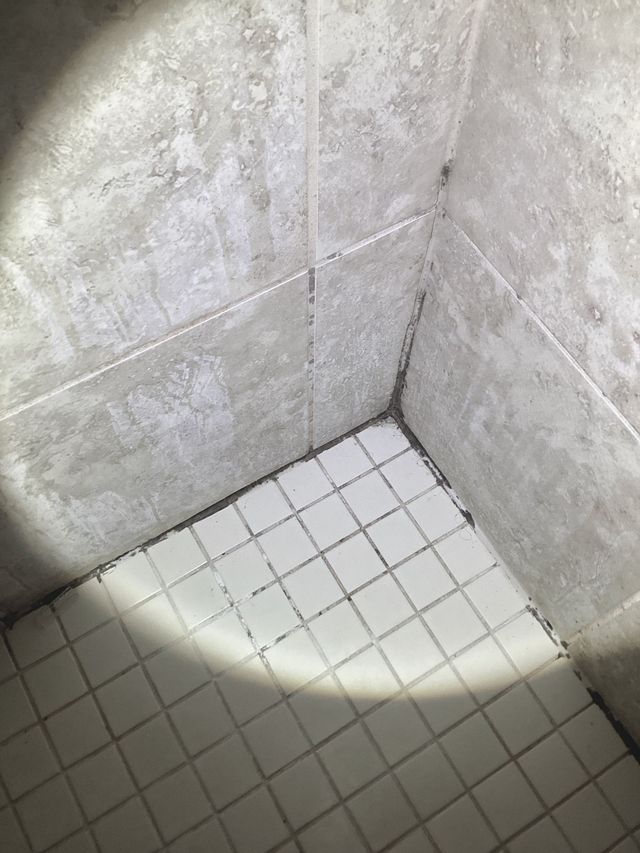
Bathrooms are one of the most common places for mold to develop, especially in Cocoa homes where humidity stays high most of the year. Steam from showers, warm temperatures, and limited ventilation create conditions that mold really likes. The frustrating part is that mold in bathrooms often starts small and goes unnoticed until it spreads.
I’ve inspected bathrooms where a tiny patch of discoloration on caulking turned out to be part of a larger moisture problem behind the wall. Ever notice how a bathroom sometimes smells musty even after cleaning? That’s usually a sign moisture is lingering somewhere.
Let’s walk through why mold forms in bathrooms and what homeowners in Brevard County should know.
Why Bathrooms Are Ideal for Mold Growth
Bathrooms create the perfect environment for mold because moisture appears there every day. Steam from showers and baths condenses on walls, ceilings, and fixtures, and without proper drying, those surfaces remain damp.
Conditions that encourage mold growth include:
- High humidity after showers
- Poor ventilation
- Water splashing around tubs and sinks
- Damp grout or caulking
Rhetorical question time: if a room fills with steam every day, how long do surfaces stay damp? Often longer than people realize.
Moisture doesn’t need standing water to cause problems—humidity alone is enough.
Where Mold Commonly Appears in Bathrooms
In Cocoa homes, mold often appears in predictable areas where moisture collects and airflow remains limited.
Frequent locations include:
- Ceiling corners above showers
- Grout lines between tiles
- Around bathtub caulking
- Behind toilets or under sinks
These areas stay damp longer than other parts of the home.
Ever notice how mold often shows up in corners first? Air circulation is usually weakest there.
The Role of Humidity in Cocoa Homes
Cocoa’s climate plays a big role in bathroom mold. Outdoor humidity often enters homes, and when steam adds even more moisture, surfaces stay damp longer.
Humidity can:
- Slow evaporation
- Increase condensation
- Encourage mold growth
FYI, bathrooms without exhaust fans often stay humid for 30 minutes or more after a shower.
That’s plenty of time for moisture to settle into grout and drywall.
Early Warning Signs of Bathroom Mold
Mold rarely appears suddenly. It usually starts with small warning signs that are easy to overlook.
Watch for:
- Dark spots on grout or caulking
- Musty odors after showers
- Peeling paint or bubbling drywall
- Persistent condensation on mirrors or walls
These signs often indicate humidity levels remain high for too long.
Ever notice how mirrors stay fogged long after a shower ends? That often means ventilation isn’t removing moisture quickly enough.
How Mold in Bathrooms Affects Indoor Air
Even small mold growth in bathrooms can release spores into the air. Because bathrooms connect to hallways and bedrooms, airflow can carry those spores throughout the home.
Homeowners sometimes notice:
- Musty smells spreading beyond the bathroom
- Odors stronger when humidity rises
- Stale air in nearby rooms
Air circulation moves both clean air and contaminated air.
Small mold problems can affect more than one room over time.
Preventing Mold in Bathrooms
Preventing bathroom mold usually comes down to reducing moisture and improving airflow.
Homeowners in Cocoa can reduce mold risk by:
- Running exhaust fans during and after showers
- Wiping down wet surfaces when possible
- Repairing leaks promptly
- Keeping shower curtains and mats dry
IMO, running the exhaust fan for 20–30 minutes after showering makes one of the biggest differences.
Moisture removal matters more than cleaning products.
The Importance of Caulking and Grout Maintenance
Caulking and grout naturally wear down over time. Cracks or gaps allow moisture to seep behind tiles, where mold can develop out of sight.
Maintenance steps include:
- Inspecting caulking regularly
- Replacing damaged sealant
- Repairing cracked grout
Ever notice how mold often returns in the same grout lines? Moisture often penetrates below the surface.
Sealing surfaces properly helps keep water out.
Hidden Mold Behind Bathroom Walls
Bathroom leaks sometimes allow water to soak into drywall or insulation. Hidden mold may develop without obvious signs at first.
Hidden mold often occurs:
- Behind shower walls
- Around plumbing penetrations
- Beneath flooring near tubs
Because mold stays out of sight, odors often appear before visible growth.
Surface cleanliness doesn’t always reflect what’s happening inside walls.
Mold Inspection and Remediation
Inspection helps identify:
- Moisture sources
- Visible and hidden mold
- Areas at risk
If mold is confirmed, remediation may include:
- Removing contaminated materials
- Cleaning structural surfaces
- Drying affected areas
- Correcting moisture sources
Containment and air filtration may also be used during cleanup.
Correcting moisture remains the most important step.
Without fixing the cause, mold often returns.
Why Acting Early Saves Time and Money
One consistent lesson from inspections is that early attention prevents larger repairs.
When mold problems are addressed early:
- Damage remains limited
- Repairs stay smaller
- Air quality improves faster
Waiting allows mold to spread into drywall and insulation, increasing both cost and repair time.
Maintenance almost always costs less than restoration.
Final Thoughts
Mold in bathrooms in Cocoa homes usually develops because moisture remains on surfaces or inside building materials longer than expected. High humidity, steam, and ventilation problems all contribute to conditions where mold can grow.
Understanding early warning signs, improving ventilation, and addressing moisture quickly helps homeowners prevent mold from spreading and maintain healthier indoor air.