
Mold in Attics in West Melbourne: What Homeowners in Brevard County Should Know
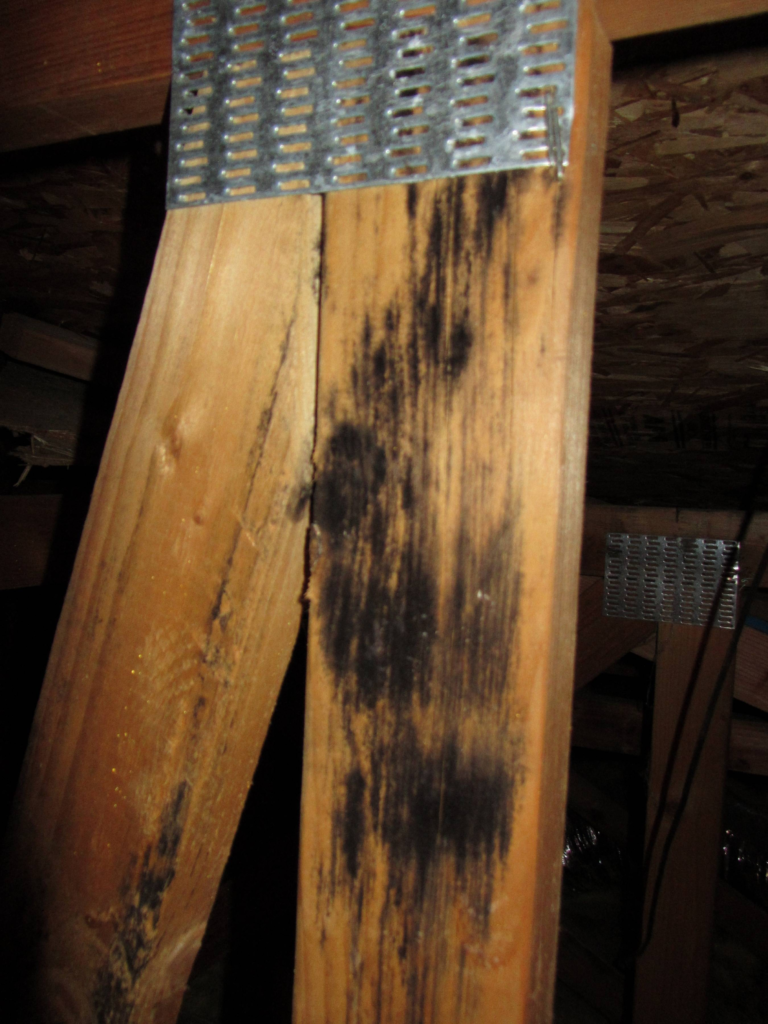
If you own a home in West Melbourne, your attic probably isn’t something you think about often. It’s out of sight, rarely visited, and easy to ignore — until there’s a problem.
In Brevard County, attic mold is more common than many homeowners realize. Between high humidity, heavy summer rainfall, hurricane season, and nearly constant air conditioning use, attics become one of the most vulnerable areas in Florida homes.
Whether you live in West Melbourne, Palm Bay, Rockledge, Viera, or even closer to the coast in Satellite Beach or Cocoa Beach, the same climate factors apply. Understanding how attic mold forms — and what to watch for — can prevent larger structural issues down the road.
Let’s break it down in clear, practical terms.
What Attic Mold Really Is
Attic mold typically grows on:
- Roof decking (the underside of the roof)
- Wooden rafters and trusses
- Insulation
- Plywood sheathing
- Around HVAC ductwork
It develops when warm, moist air becomes trapped in the attic and condenses on cooler surfaces.
In Florida, this happens easily.
Your attic in West Melbourne can reach extreme temperatures during the day. When humid air enters that space — either from outdoors or from inside your home — it cools overnight and forms condensation. That moisture settles on wood and insulation.
Given enough time, mold begins to grow.
Why This Happens in West Melbourne and Brevard County
Several Florida-specific conditions make attic mold more likely here than in drier regions.
High Year-Round Humidity
Even on days without rain, humidity levels in Brevard County remain elevated. Moist air moves into attic spaces through soffits, roof vents, and small structural openings.
When that air cools, condensation forms.
Heavy Rain and Storm Activity
West Melbourne experiences frequent summer storms and hurricane-season rainfall. Wind-driven rain can push moisture under shingles or flashing.
The roof may not visibly leak inside the home, but small amounts of moisture can enter the attic and remain trapped.
AC Systems Running Constantly
Air conditioning creates temperature differences between your living space and attic.
When bathroom exhaust fans or recessed lights allow humid indoor air to rise into the attic, it meets cooler surfaces and condenses.
In homes across Palm Bay and Melbourne, improperly vented bathroom fans are one of the most common attic mold contributors.
Inadequate Ventilation
Attics require balanced airflow — intake at the soffits and exhaust at ridge or roof vents.
If ventilation is blocked or unbalanced, moisture cannot escape efficiently.
We often see insulation covering soffit vents or insufficient ridge venting in homes throughout Rockledge and Viera.
Slab Foundations and Moisture Movement
Most West Melbourne homes are slab-built. Moisture from the ground rises and affects overall indoor humidity levels, contributing indirectly to attic moisture buildup.
Humidity inside the home eventually migrates upward.
Common Signs Homeowners Notice
Attic mold isn’t always obvious because it’s hidden.
However, homeowners in Brevard County often report:
- Musty smells throughout the house
- Dark staining on ceilings
- Peeling paint near ceiling edges
- Increased indoor humidity
- Allergy-like irritation indoors (without clear cause)
- Mold recurring in bathrooms
Sometimes the first clue comes during a roof inspection or when replacing HVAC equipment.
In West Melbourne homes, attic mold is often discovered during unrelated repairs.
Hidden or Overlooked Causes
Many attic mold cases begin with small issues homeowners don’t connect to the attic.
Bathroom Exhaust Fans Venting Into Attic
Instead of venting outside, some fans release moist air directly into attic space.
Over time, that daily humidity creates mold growth on roof decking.
Recessed Lighting Gaps
Small air leaks around ceiling fixtures allow humid indoor air to rise into the attic.
Even minor gaps matter in Florida’s climate.
HVAC Duct Condensation
Cold AC ducts running through a hot attic can sweat.
If insulation around ductwork is damaged or insufficient, moisture accumulates on wood framing nearby.
Past Roof Leaks
A roof repaired after a storm in Satellite Beach or Cocoa may have stopped visible leaking, but damp insulation in the attic could have remained.
That trapped moisture feeds mold growth.
Blocked Soffit Vents
Insulation sometimes shifts and blocks soffit intake vents.
Without airflow, humidity builds up and remains trapped.
Why DIY Solutions Often Miss the Root Problem
When homeowners see mold in an attic, they may try surface treatments or paint over the wood.
That approach rarely works long term.
Surface cleaning does not address:
- Poor ventilation
- Moisture infiltration
- Duct condensation
- Improper fan venting
Bleach does not penetrate wood effectively, and it does not correct airflow problems.
Without correcting the moisture source, mold returns.
In Brevard County’s humid climate, moisture control must be part of the solution.
Professional Mold Inspection & Testing Explained
When evaluating attic mold in West Melbourne homes, a structured approach is essential.
At Brevard Mold Inspections & Removal, inspections typically include:
Visual Examination
Reviewing roof decking, rafters, insulation, and venting systems.
Moisture Detection
Checking wood and insulation for elevated moisture levels using professional meters.
Ventilation Assessment
Evaluating soffit intake, ridge vent exhaust, and airflow balance.
HVAC Evaluation
Inspecting duct insulation and checking for condensation.
Air or Surface Sampling (If Needed)
If attic mold may be affecting indoor air quality, sampling can help determine whether elevated mold levels are present inside living spaces.
Not every situation requires testing, but it can provide clarity in certain cases.
Proper Mold Removal & Remediation
When attic mold is confirmed, remediation focuses on both removal and correction.
Typical steps include:
- Containment if necessary
- Cleaning or treating affected wood framing
- Removing heavily contaminated insulation
- Correcting ventilation issues
- Sealing air leaks
- Adjusting duct insulation
- Ensuring proper fan venting
Drying the space thoroughly is critical before closing up any areas.
In Florida homes, ventilation adjustments often make the biggest long-term difference.
How to Prevent Attic Mold in West Melbourne
Prevention centers on airflow and humidity control.
Here are practical steps for Brevard County homeowners:
- Ensure bathroom fans vent outdoors
- Keep attic vents clear of insulation blockage
- Schedule regular AC maintenance
- Inspect duct insulation annually
- Check attic after major storms
- Maintain proper roof flashing
- Monitor indoor humidity levels
- Consider a whole-home dehumidifier if needed
After hurricane season, attic inspections are especially important in areas like Palm Bay, Cocoa, and Satellite Beach.
Early detection prevents structural wood damage.
Why Local Experience in Brevard County Matters
Attic mold in West Melbourne doesn’t behave the same as attic mold in drier climates.
Here, we deal with:
- Coastal humidity
- Hurricane rainfall
- High attic heat
- Constant AC use
- Slab foundations
- Rapid temperature shifts
Understanding how these factors interact with Florida construction methods makes inspections more accurate.
Homes in Viera may have different ventilation layouts than older homes in Cocoa or Titusville.
Local experience allows for targeted evaluation and practical solutions specific to Brevard County conditions.
A Calm, Practical Next Step
If you suspect mold in your attic in West Melbourne — whether due to odor, visible staining, or past storm exposure — a professional inspection can provide clear answers.
Most attic mold situations are manageable when addressed early.
There’s no need for alarm.
Identifying the moisture source and correcting it properly protects your home’s structure and air quality.
If you’d like a thorough attic evaluation, Brevard Mold Inspections & Removal offers experienced, locally informed assessments tailored specifically to Brevard County homes.
In Florida, moisture is part of life. Managing it properly keeps your home strong, safe, and comfortable for years to come.