
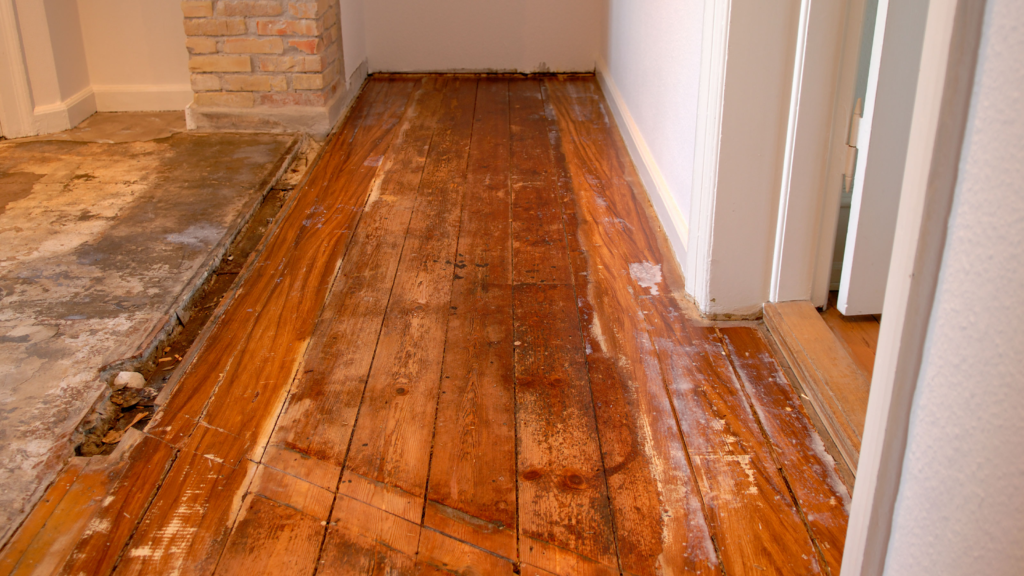
Mold in Rental Properties in Palm Bay: What Homeowners in Brevard County Should Know
If you own a rental property in Palm Bay, mold is more than just a maintenance issue — it’s something that can quickly become a tenant concern, a repair expense, and a source of ongoing frustration if not handled correctly.
In Brevard County, mold is common because moisture is common. Between heavy summer rainfall, hurricane season, high humidity, slab foundations, and air conditioning running most of the year, rental homes face steady environmental pressure.
Whether your rental is in Palm Bay, West Melbourne, Titusville, Cocoa, Rockledge, or Merritt Island, understanding how mold develops — and how to manage it responsibly — protects both your property and your investment.
Let’s walk through what landlords in Palm Bay should know.
Why Rental Properties Are More Prone to Mold Issues
Rental homes often experience mold issues more frequently than owner-occupied homes. Not because tenants are careless — but because rental properties typically involve:
- Varying cleaning habits
- Delayed reporting of leaks
- Higher occupancy turnover
- Less routine inspection by owners
- Differences in ventilation use
In Palm Bay’s humid climate, small moisture problems can escalate quickly if they aren’t addressed early.
A bathroom fan left unused. An AC filter not changed. A minor plumbing drip not reported. All of these can contribute to mold growth in Florida.
How Mold Typically Develops in Palm Bay Rentals
In Brevard County rental homes, mold most often forms due to:
High Indoor Humidity
Palm Bay’s humidity levels stay elevated year-round. If tenants keep windows open while the AC is running, condensation can develop on walls and vents.
AC System Issues
Clogged drain lines, overflowing condensate pans, or poorly insulated ductwork in attics can create hidden moisture.
Slab Moisture
Many Palm Bay homes are built on slab foundations. Concrete absorbs ground moisture after heavy rain. If vapor barriers are inadequate, moisture can migrate upward under flooring.
Bathroom Ventilation Problems
Without proper exhaust fan use, steam accumulates on ceilings and walls.
In Viera and Melbourne rentals, recurring bathroom ceiling mold is one of the most common complaints.
Roof and Storm Damage
Hurricanes and summer storms can push water into small openings around flashing or windows.
Even minor intrusion can cause hidden mold inside wall cavities.
Common Tenant Complaints Related to Mold
Landlords across Rockledge, Cocoa, and Palm Bay often hear similar concerns from tenants.
Typical complaints include:
- Musty smells in bedrooms or closets
- Mold around bathroom ceilings
- Dark spots near AC vents
- Warping laminate flooring
- Mold under kitchen sinks
- Persistent damp feeling indoors
Odor is usually the first sign.
In Brevard County’s climate, musty smells after heavy rain are worth investigating promptly.
The Importance of Quick Response
In rental properties, timing matters.
Florida’s warm temperatures and humidity allow mold to develop within 24–48 hours after materials become wet.
If a tenant reports a leak or water intrusion, fast action reduces:
- Structural damage
- Repair costs
- Tenant dissatisfaction
- Potential disputes
Delaying repairs in Palm Bay’s climate often makes remediation more extensive later.
Hidden Areas Landlords Often Overlook
In rental homes, mold frequently develops in places owners don’t regularly inspect.
Attics
Improper ventilation or roof leaks can cause mold on roof decking.
In Titusville and Merritt Island homes, attic mold is often discovered during HVAC service.
Under Flooring
Moisture beneath laminate or vinyl plank flooring can go unnoticed until warping appears.
Behind Cabinets
Kitchen and bathroom plumbing lines can drip slowly for months before damage becomes visible.
HVAC Systems
Duct condensation in hot Florida attics is common.
If ducts are poorly insulated, moisture accumulates on surrounding wood framing.
Why DIY Cleanup Isn’t Always Enough
Landlords sometimes attempt surface cleaning before fully investigating moisture sources.
While small mildew spots on tile may be manageable, deeper mold growth in drywall, insulation, or subfloor requires professional attention.
Bleach may remove surface stains but does not:
- Fix ventilation
- Repair leaks
- Dry insulation
- Address slab moisture
In Palm Bay’s humid environment, incomplete cleanup often leads to recurring complaints.
Addressing the root cause prevents repeat issues.
How Professional Mold Inspection Helps Landlords
A structured mold inspection provides clarity for both property owners and tenants.
A typical inspection may include:
- Visual evaluation of affected areas
- Moisture detection in walls and flooring
- Attic and crawl space assessment
- HVAC inspection
- Air or surface sampling if needed
This process identifies:
- Whether active mold growth exists
- The source of moisture
- The scope of affected materials
Clear documentation protects landlords by showing responsible action.
At Brevard Mold Inspections & Removal, inspections focus on moisture mapping specific to Florida’s climate and construction styles.
Proper Remediation in Rental Properties
When mold is confirmed, remediation usually involves:
- Containing the affected area
- Removing contaminated drywall or materials if necessary
- Cleaning structural surfaces
- HEPA filtration
- Correcting ventilation or leak issues
- Thorough drying before repairs
Moisture correction is always essential.
Without it, mold returns — especially in Brevard County’s humid environment.
Preventing Mold in Palm Bay Rentals
Landlords can reduce mold risk with proactive measures.
Practical steps include:
- Annual HVAC servicing
- Regular drain line flushing
- Clear tenant instructions on exhaust fan use
- Annual roof inspections
- Checking attic ventilation
- Inspecting under sinks between tenants
- Monitoring indoor humidity levels
- Installing humidity monitors in high-risk areas
Clear communication with tenants about reporting leaks promptly also makes a difference.
In hurricane season, post-storm inspections are particularly important across Palm Bay, Rockledge, and Cocoa.
Understanding Responsibility in Florida Rentals
In general, landlords are responsible for maintaining structural systems and addressing water intrusion.
Tenants are typically responsible for basic cleanliness and reporting maintenance issues.
Humidity-related mold in Florida can blur these lines.
For example:
- If a roof leak causes mold, that’s typically a structural issue.
- If a tenant consistently fails to use bathroom ventilation, humidity buildup may contribute to surface mold.
Clear inspection findings help clarify the source.
Objective evaluation benefits both parties.
Why Local Experience in Brevard County Matters
Mold behavior in Palm Bay rentals differs from homes in dry inland states.
Here, we deal with:
- Coastal humidity
- Hurricane rainfall
- Slab foundations
- High water tables
- Continuous AC operation
- Attic heat buildup
Homes in Palm Bay differ from waterfront condos in Cape Canaveral or newer developments in Viera.
Understanding local construction patterns helps identify moisture pathways accurately.
Local knowledge prevents misdiagnosis.
A Practical Approach for Palm Bay Landlords
If you receive a mold complaint from a tenant in Palm Bay, the best response is calm, prompt evaluation.
Most mold issues are manageable when addressed early.
Start with:
- Inspecting the reported area
- Checking for moisture
- Documenting conditions
- Addressing any leaks immediately
If the source isn’t clear, a professional inspection provides clarity and protects your investment.
Brevard Mold Inspections & Removal offers experienced, local evaluations tailored to Brevard County rental properties.
Managing moisture in Florida is part of responsible property ownership. With proactive maintenance and timely response, mold issues can be controlled before they escalate.