
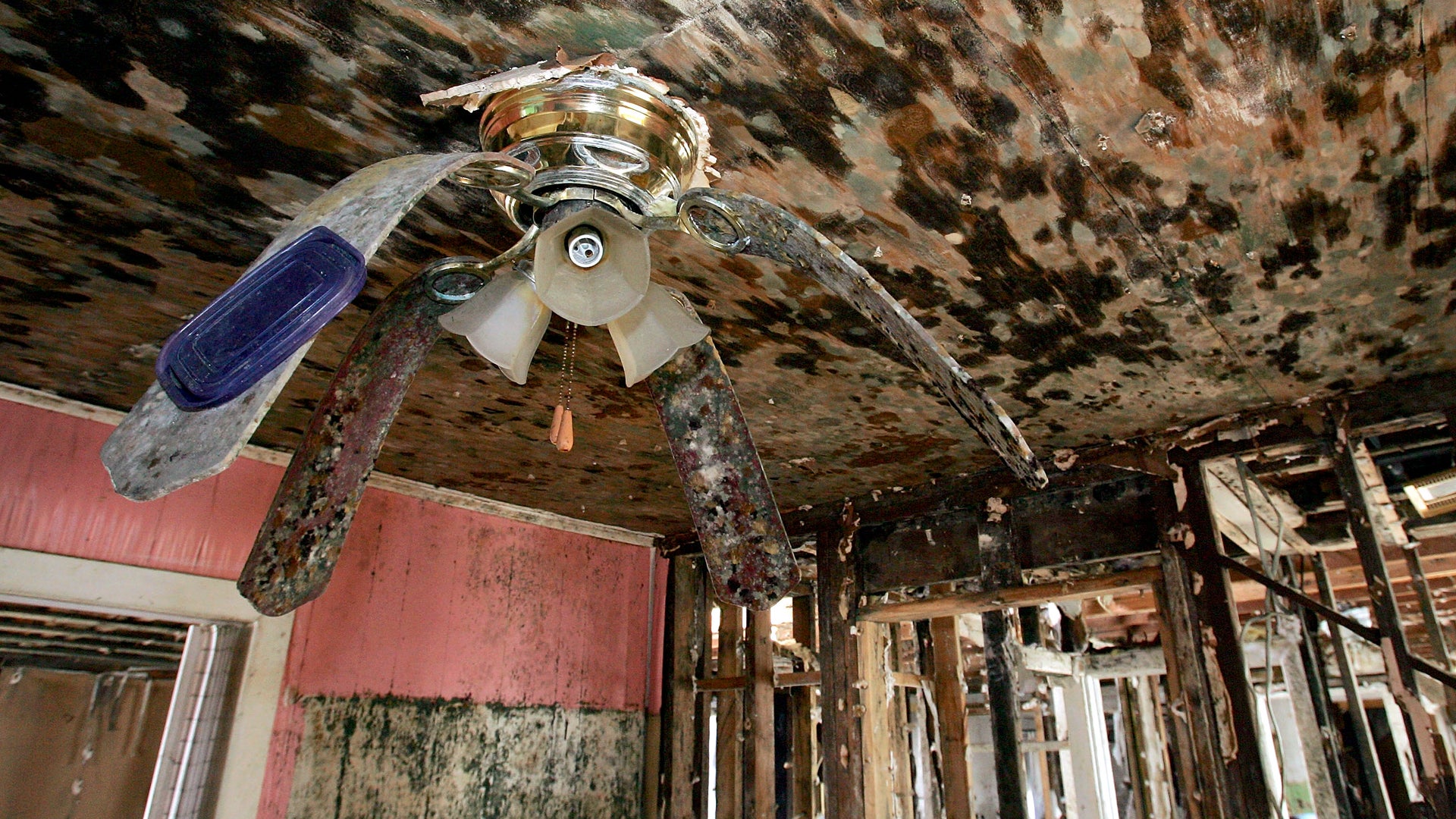
Mold After Flooding in Sykes Creek: What Merritt Island Property Owners Should Know
Flooding is something many Sykes Creek property owners worry about, especially during Florida’s heavy rainy seasons and hurricane threats. Homes near waterways like Sykes Creek, Banana River, and Indian River enjoy beautiful views, but they also face higher risks of water intrusion and moisture damage.
One of the biggest problems after flooding isn’t always the visible water damage. It’s what starts growing quietly after the water recedes: mold.
Many Merritt Island homeowners focus on cleaning up water and repairing damaged materials, but mold often begins developing within 24 to 48 hours after flooding. And once it spreads behind walls or under flooring, it can become a much bigger issue.
Understanding how mold develops after flooding and how to properly address it helps property owners protect both their homes and long-term property value.
Let’s walk through what every Merritt Island homeowner should know.
What Happens After Flooding
Floodwater doesn’t just sit on surfaces. It soaks into building materials.
In homes around Sykes Creek, floodwater commonly penetrates:
- Drywall and insulation
- Wood framing
- Flooring and subfloors
- Cabinets and baseboards
- Carpet and padding
- HVAC systems and ducts
Even when water appears to dry quickly, moisture remains trapped inside materials. Combined with Florida’s humidity, this creates ideal mold growth conditions.
Within days, mold spores that naturally exist in the air begin growing on damp materials.
Flooding essentially provides mold with everything it needs: moisture, warmth, and organic material to feed on.
Why Flood-Related Mold Happens So Often in Merritt Island
Merritt Island homes face unique environmental factors that increase mold risk after flooding.
High Humidity Levels
The island’s coastal climate keeps humidity levels elevated year-round. After flooding, materials struggle to fully dry without professional intervention.
High Water Table
Many areas around Sykes Creek and Banana River have shallow water tables, allowing water to enter homes more easily during storms.
Storm and Hurricane Exposure
Storm surge and heavy rainfall events regularly impact waterfront and low-lying neighborhoods, increasing flood incidents.
AC System Moisture
Air conditioning systems already produce condensation, and after flooding, duct systems and air handlers can trap additional moisture.
Older Construction Styles
Some North and South Merritt Island homes have older insulation, ventilation, or construction materials that retain moisture longer.
All these conditions allow mold to develop quickly after flood events.
Signs Mold Is Developing After Flooding
Sometimes mold becomes visible quickly, but often homeowners first notice subtle signs.
Common warning signs include:
- Persistent musty or earthy odors
- Staining or discoloration on walls or ceilings
- Warped flooring or baseboards
- Peeling paint or bubbling drywall
- Increased allergy-like reactions indoors
- Damp or stale indoor air
In many Sykes Creek homes, mold develops behind walls or under flooring before appearing in open spaces.
If your home flooded even briefly, mold risk should always be considered.
Hidden Mold After Flooding
Flooding creates ideal conditions for hidden mold growth, especially in areas homeowners rarely see.
Behind Drywall
Water easily wicks up drywall panels and saturates insulation inside walls.
Under Flooring
Tile, laminate, vinyl, and wood flooring often trap moisture underneath, allowing mold to grow on subfloors.
Attics and Crawl Spaces
Flood moisture combined with humid air can migrate into attics or crawl spaces, especially in slab and raised homes.
HVAC Systems
Floodwater or excess moisture can enter ductwork, spreading mold spores throughout the home.
Areas with Previous Damage
Past leaks combined with flooding create repeated moisture exposure, making mold more likely.
Hidden mold often continues growing long after visible damage appears repaired.
Why DIY Mold Cleanup Often Fails
After flooding, many homeowners try to handle cleanup themselves.
While cleaning visible surfaces helps, it rarely addresses the full problem.
Common DIY mistakes include:
Using Bleach Alone
Bleach may lighten stains but often doesn’t kill mold deep inside porous materials.
Only Cleaning Visible Areas
Mold behind walls or under floors goes untouched.
Not Removing Damaged Materials
Flood-damaged drywall and insulation frequently need removal, not just drying.
Ignoring Moisture Sources
If materials remain damp, mold returns.
Spreading Spores
Scrubbing or vacuuming without containment spreads spores to new areas.
Without proper drying and remediation, mold problems usually come back.
Professional Mold Inspection After Flooding
A proper inspection goes beyond visible mold.
Experienced inspectors typically perform:
Visual Assessment
Examining walls, floors, and hidden areas for water damage and growth.
Moisture Detection
Using meters and thermal cameras to locate trapped moisture.
Air and Surface Testing
When necessary, samples help confirm mold presence and severity.
Damage Mapping
Identifying how far contamination has spread.
Lab results, when used, are explained simply so homeowners understand what’s happening without confusion.
This approach allows remediation plans to target the real source of mold.
Proper Mold Removal and Remediation
Professional remediation focuses on safe removal and preventing future problems.
Typical steps include:
Containment Setup
Preventing mold spores from spreading during cleanup.
Removal of Damaged Materials
Contaminated drywall, insulation, and flooring are safely removed.
Surface Cleaning and Treatment
Remaining materials are thoroughly cleaned and treated.
Drying and Dehumidification
Professional equipment ensures complete drying.
Moisture Source Correction
Addressing leaks, drainage, or ventilation problems.
Prevention Recommendations
Guidance helps homeowners avoid repeat problems.
The goal isn’t just mold removal — it’s stopping mold from returning.
Preventing Mold After Flooding in Merritt Island Homes
Property owners near Sykes Creek and surrounding waterways can reduce mold risks with proactive steps.
Helpful prevention measures include:
- Inspecting homes quickly after storms or flooding
- Using professional drying equipment after water intrusion
- Maintaining AC systems and drainage lines
- Installing proper ventilation in bathrooms and kitchens
- Checking crawl spaces and attics periodically
- Keeping gutters and exterior drainage clear
- Addressing minor leaks before they worsen
Post-storm inspections are especially important in waterfront communities.
Why Local Experience Matters
Flood-related mold issues vary depending on location and construction style.
Professionals familiar with Merritt Island understand:
- Waterfront home vulnerabilities
- Common moisture pathways
- Coastal humidity challenges
- Local building methods
- Storm-related damage patterns
This local knowledge leads to faster, more accurate problem identification and effective solutions.
Companies like Mold Removal Merritt Island have worked extensively in Sykes Creek, North Merritt Island, and surrounding neighborhoods, giving them insight into recurring regional issues without relying on generic approaches.
A Practical Next Step for Property Owners
Flooding is stressful enough without dealing with hidden mold afterward.
If your property experienced flooding — even minor water intrusion — having the home evaluated can prevent long-term damage and costly repairs later.
A calm, professional inspection helps homeowners understand the situation and decide on the best next steps.
Protecting your home after flooding is less about fear and more about being informed and proactive. Early action keeps small problems from becoming major ones and helps Merritt Island property owners maintain safe, comfortable living spaces.
Mold After Flooding in Sykes Creek: What Merritt Island Property Owners Should Know
Flooding is something many Sykes Creek property owners worry about, especially during Florida’s heavy rainy seasons and hurricane threats. Homes near waterways like Sykes Creek, Banana River, and Indian River enjoy beautiful views, but they also face higher risks of water intrusion and moisture damage.
One of the biggest problems after flooding isn’t always the visible water damage. It’s what starts growing quietly after the water recedes: mold.
Many Merritt Island homeowners focus on cleaning up water and repairing damaged materials, but mold often begins developing within 24 to 48 hours after flooding. And once it spreads behind walls or under flooring, it can become a much bigger issue.
Understanding how mold develops after flooding and how to properly address it helps property owners protect both their homes and long-term property value.
Let’s walk through what every Merritt Island homeowner should know.
What Happens After Flooding
Floodwater doesn’t just sit on surfaces. It soaks into building materials.
In homes around Sykes Creek, floodwater commonly penetrates:
- Drywall and insulation
- Wood framing
- Flooring and subfloors
- Cabinets and baseboards
- Carpet and padding
- HVAC systems and ducts
Even when water appears to dry quickly, moisture remains trapped inside materials. Combined with Florida’s humidity, this creates ideal mold growth conditions.
Within days, mold spores that naturally exist in the air begin growing on damp materials.
Flooding essentially provides mold with everything it needs: moisture, warmth, and organic material to feed on.
Why Flood-Related Mold Happens So Often in Merritt Island
Merritt Island homes face unique environmental factors that increase mold risk after flooding.
High Humidity Levels
The island’s coastal climate keeps humidity levels elevated year-round. After flooding, materials struggle to fully dry without professional intervention.
High Water Table
Many areas around Sykes Creek and Banana River have shallow water tables, allowing water to enter homes more easily during storms.
Storm and Hurricane Exposure
Storm surge and heavy rainfall events regularly impact waterfront and low-lying neighborhoods, increasing flood incidents.
AC System Moisture
Air conditioning systems already produce condensation, and after flooding, duct systems and air handlers can trap additional moisture.
Older Construction Styles
Some North and South Merritt Island homes have older insulation, ventilation, or construction materials that retain moisture longer.
All these conditions allow mold to develop quickly after flood events.
Signs Mold Is Developing After Flooding
Sometimes mold becomes visible quickly, but often homeowners first notice subtle signs.
Common warning signs include:
- Persistent musty or earthy odors
- Staining or discoloration on walls or ceilings
- Warped flooring or baseboards
- Peeling paint or bubbling drywall
- Increased allergy-like reactions indoors
- Damp or stale indoor air
In many Sykes Creek homes, mold develops behind walls or under flooring before appearing in open spaces.
If your home flooded even briefly, mold risk should always be considered.
Hidden Mold After Flooding
Flooding creates ideal conditions for hidden mold growth, especially in areas homeowners rarely see.
Behind Drywall
Water easily wicks up drywall panels and saturates insulation inside walls.
Under Flooring
Tile, laminate, vinyl, and wood flooring often trap moisture underneath, allowing mold to grow on subfloors.
Attics and Crawl Spaces
Flood moisture combined with humid air can migrate into attics or crawl spaces, especially in slab and raised homes.
HVAC Systems
Floodwater or excess moisture can enter ductwork, spreading mold spores throughout the home.
Areas with Previous Damage
Past leaks combined with flooding create repeated moisture exposure, making mold more likely.
Hidden mold often continues growing long after visible damage appears repaired.
Why DIY Mold Cleanup Often Fails
After flooding, many homeowners try to handle cleanup themselves.
While cleaning visible surfaces helps, it rarely addresses the full problem.
Common DIY mistakes include:
Using Bleach Alone
Bleach may lighten stains but often doesn’t kill mold deep inside porous materials.
Only Cleaning Visible Areas
Mold behind walls or under floors goes untouched.
Not Removing Damaged Materials
Flood-damaged drywall and insulation frequently need removal, not just drying.
Ignoring Moisture Sources
If materials remain damp, mold returns.
Spreading Spores
Scrubbing or vacuuming without containment spreads spores to new areas.
Without proper drying and remediation, mold problems usually come back.
Professional Mold Inspection After Flooding
A proper inspection goes beyond visible mold.
Experienced inspectors typically perform:
Visual Assessment
Examining walls, floors, and hidden areas for water damage and growth.
Moisture Detection
Using meters and thermal cameras to locate trapped moisture.
Air and Surface Testing
When necessary, samples help confirm mold presence and severity.
Damage Mapping
Identifying how far contamination has spread.
Lab results, when used, are explained simply so homeowners understand what’s happening without confusion.
This approach allows remediation plans to target the real source of mold.
Proper Mold Removal and Remediation
Professional remediation focuses on safe removal and preventing future problems.
Typical steps include:
Containment Setup
Preventing mold spores from spreading during cleanup.
Removal of Damaged Materials
Contaminated drywall, insulation, and flooring are safely removed.
Surface Cleaning and Treatment
Remaining materials are thoroughly cleaned and treated.
Drying and Dehumidification
Professional equipment ensures complete drying.
Moisture Source Correction
Addressing leaks, drainage, or ventilation problems.
Prevention Recommendations
Guidance helps homeowners avoid repeat problems.
The goal isn’t just mold removal — it’s stopping mold from returning.
Preventing Mold After Flooding in Merritt Island Homes
Property owners near Sykes Creek and surrounding waterways can reduce mold risks with proactive steps.
Helpful prevention measures include:
- Inspecting homes quickly after storms or flooding
- Using professional drying equipment after water intrusion
- Maintaining AC systems and drainage lines
- Installing proper ventilation in bathrooms and kitchens
- Checking crawl spaces and attics periodically
- Keeping gutters and exterior drainage clear
- Addressing minor leaks before they worsen
Post-storm inspections are especially important in waterfront communities.
Why Local Experience Matters
Flood-related mold issues vary depending on location and construction style.
Professionals familiar with Merritt Island understand:
- Waterfront home vulnerabilities
- Common moisture pathways
- Coastal humidity challenges
- Local building methods
- Storm-related damage patterns
This local knowledge leads to faster, more accurate problem identification and effective solutions.
Companies like Mold Removal Merritt Island have worked extensively in Sykes Creek, North Merritt Island, and surrounding neighborhoods, giving them insight into recurring regional issues without relying on generic approaches.
A Practical Next Step for Property Owners
Flooding is stressful enough without dealing with hidden mold afterward.
If your property experienced flooding — even minor water intrusion — having the home evaluated can prevent long-term damage and costly repairs later.
A calm, professional inspection helps homeowners understand the situation and decide on the best next steps.
Protecting your home after flooding is less about fear and more about being informed and proactive. Early action keeps small problems from becoming major ones and helps Merritt Island property owners maintain safe, comfortable living spaces.