
Mold Under Sinks in Banana River: What Merritt Island Property Owners Should Know
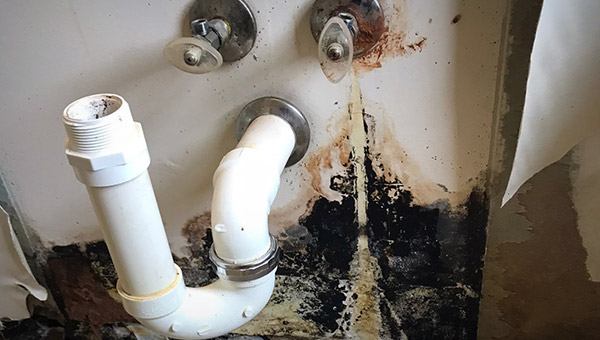
Homes along Banana River offer beautiful waterfront living, but Merritt Island property owners also face constant moisture challenges. Between coastal humidity, frequent storms, and everyday plumbing use, one of the most common hidden mold problems in local homes develops in a place many homeowners rarely inspect — under sinks.
Whether in kitchens, bathrooms, laundry rooms, or utility areas, sink cabinets frequently hide slow plumbing leaks and moisture buildup. Because cabinet interiors stay closed and dark, mold often grows unnoticed for long periods.
By the time homeowners notice musty odors or cabinet damage, mold may already be spreading into walls, flooring, or adjacent rooms.
Understanding why mold develops under sinks and how to prevent it helps Merritt Island homeowners protect both property value and indoor living conditions.
Let’s look at what property owners in Banana River communities should know.
What Mold Under Sinks Really Is
Mold spores exist naturally in indoor and outdoor air. Normally, they don’t cause problems unless they land on surfaces with enough moisture to support growth.
Under-sink cabinets provide ideal mold conditions because they often experience:
- Plumbing condensation
- Slow leaks or drips
- Spills and splash moisture
- Limited airflow
- Dark, enclosed spaces
- Wood or particleboard surfaces
Even a tiny leak can keep cabinet materials damp enough for mold growth. Over time, moisture soaks into cabinet wood, drywall, and flooring materials.
Once mold begins growing, it spreads quietly behind cabinets and inside walls if moisture remains.
Many Merritt Island homeowners assume visible mold inside cabinets is minor, not realizing hidden contamination may already be expanding beyond view.
Why Mold Under Sinks Happens Often in Banana River Homes
Homes throughout Banana River and surrounding Merritt Island neighborhoods experience environmental conditions that increase mold risk.
Coastal Humidity
High outdoor humidity slows drying indoors, allowing cabinet spaces to stay damp longer.
Frequent Plumbing Use
Kitchens and bathrooms are used constantly, increasing moisture exposure.
Storm and Flood Exposure
Heavy rains or minor flooding events sometimes introduce moisture into cabinets or flooring.
Aging Plumbing Connections
Older homes in North and South Merritt Island sometimes develop slow plumbing leaks that go unnoticed.
AC Condensation and Temperature Changes
Cool indoor air meeting warm exterior walls creates condensation near plumbing areas.
Waterfront Exposure
Homes near waterways often experience elevated indoor moisture levels.
Combined, these conditions make under-sink mold a common issue in Merritt Island homes.
Signs Mold May Be Developing Under Sinks
Mold under sinks rarely announces itself immediately. Most homeowners notice subtle warning signs first.
Common signs include:
- Musty odors near sinks
- Cabinet floors feeling damp or soft
- Warping or swelling cabinet materials
- Dark stains or discoloration
- Peeling cabinet laminate
- Mold spots on stored items
- Persistent damp smells even after cleaning
Sometimes homeowners only discover mold when removing cleaning supplies or storage items.
Repeated moisture odors usually indicate hidden mold growth.
Hidden Mold Spread Beyond Cabinets
Under-sink mold often spreads beyond the cabinet itself.
Behind Cabinet Walls
Moisture seeps into drywall behind cabinets.
Under Flooring
Water leaks soak subfloors beneath sinks.
Adjacent Rooms
Moisture travels into nearby walls or closets.
Baseboards and Trim
Water intrusion causes mold behind trim.
Inside Wall Cavities
Slow leaks allow mold to spread unseen inside walls.
By the time visible damage appears, contamination may be widespread.
Why DIY Cleanup Often Fails
Homeowners frequently try to solve mold problems themselves, but surface cleaning rarely fixes underlying moisture issues.
Common DIY mistakes include:
Cleaning Visible Mold Only
Hidden mold remains behind cabinets.
Using Bleach Alone
Bleach may remove stains but doesn’t penetrate porous materials deeply.
Ignoring Leak Sources
Without fixing plumbing issues, mold returns.
Painting or Covering Damage
This traps moisture inside materials.
Removing Mold Without Protection
Spores spread into other areas.
DIY cleaning often provides temporary improvement while mold continues growing unseen.
Professional Mold Inspection Explained
A professional inspection helps determine how extensive the mold problem is and where moisture originates.
Inspection steps typically include:
Visual Examination
Checking cabinets, walls, and nearby areas.
Moisture Detection
Special tools locate damp materials behind surfaces.
Leak Investigation
Plumbing connections and pipes are inspected.
Flooring and Wall Assessment
Inspecting whether moisture spread beyond cabinets.
Testing When Necessary
Air or surface sampling may confirm contamination levels.
Inspection results help create an effective remediation plan.
Proper Mold Remediation Process
Professional remediation focuses on removing contamination safely and preventing recurrence.
Typical remediation steps include:
Containment Setup
Preventing mold spores from spreading during removal.
Removal of Damaged Materials
Contaminated cabinets or drywall may require replacement.
Cleaning Structural Surfaces
Remaining materials are treated safely.
Drying and Dehumidification
All moisture is removed thoroughly.
Plumbing Repairs
Leaks or condensation sources are corrected.
Prevention Guidance
Homeowners receive advice to avoid repeat problems.
The goal is eliminating both mold and the moisture that caused it.
Preventing Mold Under Sinks in Merritt Island Homes
Property owners can reduce mold risks by regularly monitoring sink areas.
Helpful prevention steps include:
- Checking cabinets monthly for moisture
- Repairing plumbing leaks immediately
- Keeping cabinet interiors dry
- Avoiding storing damp items under sinks
- Installing small moisture trays or leak detectors
- Ensuring pipes are insulated properly
- Maintaining good indoor humidity control
- Inspecting cabinets after storms or plumbing work
Routine checks prevent small leaks from becoming major repairs.
Why Local Experience Matters
Moisture behavior differs based on location and construction style.
Professionals familiar with Merritt Island understand:
- Coastal humidity impacts
- Common plumbing setups in local homes
- Moisture movement in waterfront properties
- Construction patterns in island neighborhoods
- Storm-related moisture risks
Local experience leads to faster, more accurate solutions.
Companies like Mold Removal Merritt Island regularly inspect homes throughout Banana River communities and understand the moisture challenges affecting sink areas in coastal homes.
Local knowledge improves long-term results.
A Practical Next Step for Property Owners
Mold under sinks often develops quietly, but if left untreated, it can spread into walls and flooring, creating expensive repairs later.
If you notice musty odors, cabinet damage, or signs of plumbing leaks, a professional inspection helps identify hidden problems before they worsen.
For Merritt Island property owners, early action keeps homes dry, comfortable, and structurally sound.
A simple inspection today can prevent costly restoration tomorrow and protect your home for years to come.