
Mold Behind Walls in Indian River: What Merritt Island Property Owners Should Know
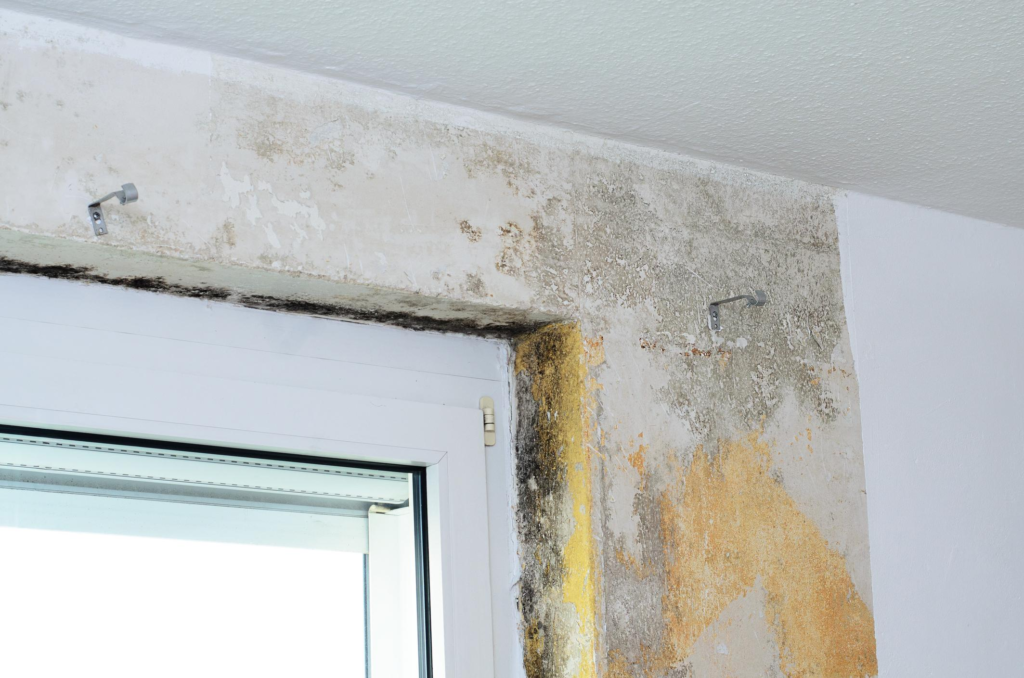
Living near the Indian River offers beautiful surroundings and waterfront access, but Merritt Island property owners also face year-round moisture challenges. One of the most serious mold problems in local homes is also one of the least visible — mold growing behind walls.
Unlike mold on ceilings or around windows, mold behind drywall often develops silently. Homeowners may smell something unusual or notice minor staining, but the real damage stays hidden until the problem becomes extensive.
In Indian River neighborhoods, humidity, storms, plumbing leaks, and AC-related moisture often allow mold to grow unseen inside wall cavities. By the time homeowners realize something is wrong, repairs can become much more complicated.
Understanding why mold forms behind walls and how to detect it early helps protect homes and avoid larger restoration costs.
Let’s look at what Merritt Island homeowners should know.
What Mold Behind Walls Really Is
Mold spores are always present in the air. They become a problem when they land on damp surfaces and begin growing.
Walls contain several materials that mold feeds on, including:
- Drywall backing paper
- Wood framing
- Insulation materials
- Dust particles inside wall cavities
When moisture enters walls through leaks or condensation, these materials remain damp long enough for mold to grow.
Because drywall hides interior wall spaces, mold spreads without being seen. Sometimes growth covers large areas before appearing on visible surfaces.
Mold behind walls doesn’t require flooding. Even slow leaks or trapped humidity can create enough moisture over time.
Why Mold Behind Walls Happens So Often in Indian River Homes
Homes near Indian River face environmental conditions that increase hidden mold risks.
Coastal Humidity
Outdoor humidity remains high most of the year, making indoor drying difficult.
Storm and Hurricane Exposure
Wind-driven rain and storm damage allow moisture to enter wall cavities.
Plumbing Leaks
Slow leaks inside walls often go unnoticed for months.
AC Condensation
Temperature differences create condensation inside wall cavities.
Older Construction Materials
Some older homes lack proper moisture barriers or insulation improvements.
Waterfront Exposure
Homes near waterways experience increased moisture infiltration.
These factors make hidden wall mold a recurring issue in Merritt Island homes.
Common Signs Mold May Be Behind Walls
Because mold remains hidden, homeowners usually notice indirect warning signs.
Common clues include:
- Persistent musty odors
- Discoloration or stains on walls
- Peeling paint or bubbling drywall
- Warped wall surfaces
- Damp areas after rain
- Increased indoor humidity
- Allergy-like symptoms indoors
Sometimes odors appear strongest near certain walls or rooms.
If mold returns repeatedly after cleaning visible areas, hidden contamination may exist behind walls.
Hidden Sources of Wall Moisture
Moisture enters walls in ways homeowners often overlook.
Plumbing Leaks
Small pipe leaks soak insulation and framing slowly.
Roof or Window Leaks
Rainwater enters wall cavities through damaged seals.
Flooding or Storm Intrusion
Stormwater sometimes enters walls from the ground or openings.
Condensation from AC Systems
Cold air meeting warm surfaces creates moisture inside walls.
Exterior Cracks or Gaps
Moisture enters through structural openings.
Because these issues often remain hidden, mold growth spreads quietly.
Why DIY Mold Removal Usually Fails
Homeowners often attempt to clean mold themselves, but this rarely solves hidden wall problems.
Common DIY mistakes include:
Cleaning Only Surface Mold
Hidden mold continues growing behind walls.
Painting Over Damage
Paint traps moisture inside materials.
Using Bleach on Porous Surfaces
Bleach doesn’t eliminate mold inside drywall.
Ignoring Leak Sources
Mold returns if moisture remains.
Opening Walls Without Containment
Disturbing mold spreads spores through the home.
DIY efforts often lead to temporary improvements rather than permanent solutions.
Professional Mold Inspection Explained
A professional inspection helps locate mold and moisture sources behind walls.
Inspection steps typically include:
Visual Assessment
Checking walls, ceilings, and surrounding areas.
Moisture Detection
Tools locate damp areas inside walls.
Thermal Imaging
Identifies temperature differences suggesting moisture.
Leak Investigation
Inspecting plumbing and exterior areas.
Testing When Needed
Air or surface sampling confirms contamination levels.
Inspection findings guide remediation decisions.
Proper Mold Remediation Behind Walls
Professional remediation focuses on safe removal and moisture correction.
Typical remediation steps include:
Containment Setup
Preventing mold spores from spreading.
Controlled Wall Opening
Removing affected drywall sections safely.
Removal of Contaminated Materials
Damaged insulation or materials are replaced.
Cleaning Structural Surfaces
Framing is cleaned and treated.
Drying and Dehumidification
Moisture is fully removed.
Repairing Moisture Sources
Leaks or ventilation problems are corrected.
Prevention Recommendations
Homeowners receive advice to prevent recurrence.
The goal is eliminating both mold and its moisture source.
Preventing Mold Behind Walls in Merritt Island Homes
Property owners can reduce risks through proactive maintenance.
Helpful prevention steps include:
- Repairing plumbing leaks quickly
- Inspecting homes after storms
- Maintaining roof and window seals
- Monitoring indoor humidity
- Ensuring AC systems drain properly
- Checking for damp areas after heavy rains
- Scheduling periodic inspections
Early detection prevents large repairs later.
Why Local Experience Matters
Hidden mold issues vary based on climate and construction.
Professionals familiar with Merritt Island understand:
- Coastal moisture behavior
- Common wall construction patterns
- Storm-related moisture entry points
- Ventilation challenges
- Humidity effects unique to island homes
Local expertise allows faster and more effective solutions.
Companies like Mold Removal Merritt Island regularly inspect homes throughout Indian River neighborhoods and understand recurring moisture issues affecting wall cavities.
Local knowledge helps prevent repeat problems.
A Smart Next Step for Property Owners
Mold behind walls is one of the most disruptive mold problems because it spreads unnoticed.
If you notice musty odors, recurring wall stains, or moisture problems, a professional inspection can help identify hidden contamination early.
For Merritt Island property owners, early evaluation protects home structure and prevents costly repairs.
Taking action now keeps homes safe, dry, and comfortable while preserving long-term property value.