
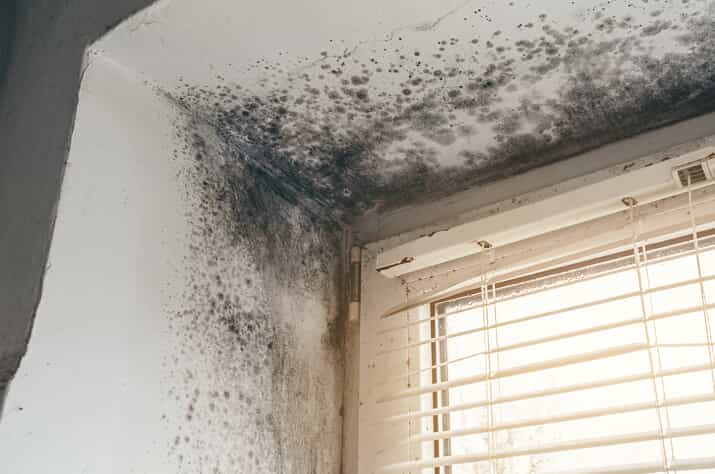
Mold in Condos in Banana River: What Merritt Island Property Owners Should Know
Condominium living along Banana River offers many benefits — waterfront views, convenient amenities, and low-maintenance living compared to single-family homes. However, condo owners in Merritt Island often face a hidden challenge that can quietly affect comfort and property value: mold growth.
Unlike detached homes, condos share walls, ceilings, ventilation systems, and plumbing infrastructure with neighboring units. This shared construction means moisture problems can sometimes originate outside your own unit, making mold issues more complicated to detect and resolve.
In Banana River communities, coastal humidity, storm exposure, and constant air conditioning use create ideal conditions for mold development. Many condo owners only discover problems when odors appear or visible damage begins showing.
Understanding why mold develops in condos helps property owners take early action and prevent larger restoration issues.
Let’s walk through what Merritt Island condo owners should know.
Why Condos Face Unique Mold Risks
Condos differ from single-family homes in ways that can increase mold risks if moisture problems arise.
Shared construction means moisture can travel through:
- Shared walls between units
- Ceiling and floor assemblies
- Central plumbing systems
- HVAC or ventilation systems
- Exterior building materials
In waterfront communities along Banana River, buildings constantly face humidity and salt-air exposure. When moisture enters building materials or remains trapped indoors, mold can develop behind walls or under flooring.
Because condo residents often assume maintenance responsibilities belong entirely to building management, small moisture issues sometimes go unaddressed until damage becomes noticeable.
How Mold Develops Inside Condo Units
Mold needs moisture, warmth, and organic material to grow. Condo environments provide these conditions when humidity or leaks remain unresolved.
Common mold locations inside Banana River condos include:
- Exterior walls facing the water
- Around windows and sliding glass doors
- Inside bathrooms and kitchens
- Under flooring near plumbing areas
- Inside closets or storage rooms
- Near HVAC vents and air handlers
- Behind cabinets or furniture placed against exterior walls
Even when mold is cleaned from visible surfaces, hidden moisture behind materials allows it to return.
Because condos rely heavily on air conditioning and remain sealed most of the year, trapped humidity often contributes to mold growth.
Why Mold Happens So Often in Banana River Condos
Several environmental and construction factors make mold issues common in coastal condominiums.
Constant Coastal Humidity
Moisture levels remain high throughout the year, making indoor drying difficult.
Waterfront Exposure
Buildings near Banana River receive continuous moisture exposure from surrounding waterways.
Storm and Hurricane Activity
Heavy rains and storms allow moisture intrusion through roofs, windows, or walls.
Shared Plumbing Systems
Leaks from neighboring units can spread moisture into adjacent spaces.
HVAC Condensation Issues
Air conditioning systems produce condensation, which can accumulate if drainage systems are clogged or poorly maintained.
Building Age and Maintenance Differences
Older condo buildings may have outdated moisture protection systems or ventilation designs.
These factors combine to create ongoing moisture challenges in many condo communities.
Common Signs Condo Owners Notice
Mold problems often begin with subtle signs rather than obvious damage.
Condo owners frequently notice:
- Musty or stale odors indoors
- Mold spots near vents or windows
- Peeling paint or bubbling drywall
- Warped flooring or soft areas
- Persistent humidity inside units
- Mold returning after cleaning
- Damp closets or storage spaces
Odors often become stronger when AC systems run or during humid weather.
Sometimes residents discover mold only when preparing to sell or renovate their units.
Hidden Mold Sources in Condo Buildings
Mold frequently develops in areas condo owners cannot easily inspect.
Behind Shared Walls
Moisture travels from neighboring units or building exteriors.
Under Flooring
Water leaks or condensation accumulate beneath floors.
Ceiling Spaces
Leaks from units above spread moisture downward.
HVAC Systems
Shared or individual HVAC systems can circulate mold spores.
Plumbing Shafts
Leaks inside building plumbing chases spread moisture.
Around Windows and Balconies
Water intrusion occurs through worn seals.
Because these areas remain hidden, mold growth often continues unnoticed.
Why DIY Mold Cleanup Often Doesn’t Work
Condo residents sometimes attempt to solve mold problems themselves, but surface cleaning rarely addresses underlying issues.
Common DIY mistakes include:
Cleaning Only Visible Mold
Hidden contamination behind walls remains.
Using Bleach Alone
Bleach removes stains but not deep mold growth.
Painting Over Mold
Paint traps moisture behind surfaces.
Ignoring Building Moisture Sources
Leaks from adjacent units remain unresolved.
Disturbing Mold During Cleaning
Spores spread throughout the condo.
Without moisture correction, mold usually returns.
Professional Mold Inspection Explained
A professional inspection helps determine how widespread contamination is and where moisture originates.
Inspection steps typically include:
Visual Examination
Inspecting walls, floors, ceilings, and HVAC areas.
Moisture Detection
Tools locate hidden damp materials.
Leak Investigation
Checking plumbing, windows, and building areas.
Ventilation Evaluation
Ensuring humidity control systems work properly.
Testing When Necessary
Air or surface samples confirm contamination levels.
Inspection findings guide proper remediation.
Proper Mold Remediation Process
Professional remediation focuses on removing contamination safely while correcting moisture problems.
Typical remediation steps include:
Containment Setup
Preventing mold spores from spreading during cleanup.
Removal of Damaged Materials
Contaminated drywall or flooring may be removed.
Cleaning Structural Surfaces
Remaining materials are treated safely.
Drying and Dehumidification
Moisture is completely removed.
Moisture Source Correction
Leaks or ventilation issues are addressed.
Prevention Recommendations
Homeowners receive guidance to avoid recurrence.
The goal is solving both contamination and moisture problems.
Preventing Mold in Banana River Condos
Condo owners can reduce mold risks through regular monitoring and maintenance.
Helpful prevention steps include:
- Monitoring indoor humidity levels
- Running bathroom and kitchen exhaust fans
- Keeping AC systems properly maintained
- Inspecting windows and balcony doors for leaks
- Reporting building leaks quickly
- Keeping closets and storage spaces ventilated
- Checking plumbing areas regularly
- Inspecting units after storms
Small steps help prevent major repairs later.
Why Local Experience Matters
Condo mold problems vary depending on building design and coastal exposure.
Professionals familiar with Merritt Island understand:
- Coastal humidity patterns
- Construction styles common in Banana River condos
- Typical moisture pathways in shared buildings
- Storm-related moisture risks
- HVAC challenges in waterfront units
Local expertise allows faster and more effective solutions.
Companies like Mold Removal Merritt Island regularly inspect condo units across Banana River communities and understand recurring moisture patterns affecting coastal condominiums.
Local experience helps prevent repeat problems.
A Smart Next Step for Condo Owners
Condo mold issues often develop quietly, especially when moisture originates outside the unit.
If your condo has musty odors, recurring mold, or signs of moisture intrusion, a professional inspection can identify hidden issues before damage spreads.
For Merritt Island condo owners, early action protects indoor comfort and helps maintain property value.
A simple inspection today can prevent expensive restoration tomorrow and help ensure comfortable, mold-free living along Banana River.