
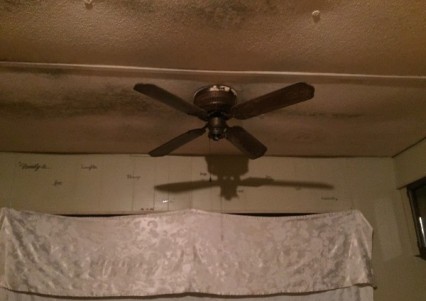
Mold in Mobile Homes in Merritt Island: What Owners Should Know
Mobile homes and manufactured housing communities are an important part of Merritt Island living. Many residents across North Merritt Island, South Merritt Island, and neighborhoods near Sykes Creek and Banana River choose mobile homes because they offer affordability, flexibility, and access to coastal living without the high costs of waterfront construction.
However, mobile homes in coastal Florida face unique mold challenges. The combination of high humidity, storms, temperature swings, and the construction style of mobile homes often creates conditions where mold grows faster than many homeowners expect.
Many owners assume mold problems only happen after floods or major leaks. In reality, mold in mobile homes often develops quietly due to everyday moisture conditions. Understanding how mold forms and how to prevent it helps owners protect both their homes and their investment.
What Mold Problems in Mobile Homes Really Are
Mold needs moisture, organic material, and time to grow. Mobile homes provide plenty of surfaces mold can feed on, including drywall, wood framing, flooring, insulation, and fabrics.
Because mobile homes are built differently from traditional slab homes, moisture behaves differently inside them. Condensation, minor leaks, and humidity buildup can quickly lead to mold in:
• Walls and ceilings
• Under flooring
• Around windows and doors
• Under sinks or plumbing areas
• Inside HVAC systems
• Beneath mobile homes in crawl areas
Often mold grows out of sight before homeowners realize a problem exists.
Why Mold Happens So Often in Merritt Island Mobile Homes
Mobile homes across Merritt Island deal with several environmental factors that increase mold risk.
Coastal Humidity Never Really Stops
Merritt Island’s location between the Banana River and Indian River keeps humidity high almost year-round. Even when air conditioning is running, moisture remains in the air and inside building materials.
Mobile homes tend to have thinner walls and less insulation than traditional homes, allowing moisture to penetrate more easily.
Moisture Beneath the Home
Unlike slab homes, mobile homes sit elevated above the ground. Moisture from soil and groundwater collects beneath the home, especially in waterfront or canal-adjacent areas.
If vapor barriers or skirting are damaged, moisture rises into flooring and wall systems.
Storms and Heavy Rain
Storms and hurricanes frequently impact Brevard County. Wind-driven rain or minor roof damage may allow moisture inside mobile homes without obvious flooding.
Water that enters walls or ceilings sometimes goes unnoticed and mold grows later.
Air Conditioning and Condensation Issues
Mobile homes cool quickly, but temperature differences between cooled air and warm exterior surfaces cause condensation inside walls or around ducts.
Moisture buildup becomes trapped, encouraging mold growth.
Aging Units and Repairs
Many mobile homes on Merritt Island are older units. Over time, seals, roofing, windows, and plumbing systems degrade, allowing small amounts of moisture intrusion.
Repeated minor repairs sometimes leave hidden damp areas.
Common Signs Mobile Home Owners Notice
Mold problems in mobile homes usually develop slowly, so early warning signs may seem minor.
Owners often notice:
• Musty or damp odors indoors
• Ceiling stains or discoloration
• Soft or warped flooring areas
• Mold around windows or vents
• Peeling wallpaper or paint
• Increased indoor allergy discomfort
Closets, bedrooms, and areas with poor airflow often show mold first.
Hidden Mold Sources in Mobile Homes
Many mold problems remain hidden until major damage occurs.
Under Flooring
Moisture rising from beneath the home can become trapped under flooring materials, allowing mold to grow unseen.
Inside Walls
Condensation or minor leaks create damp insulation and framing behind walls.
Roof and Ceiling Cavities
Roof leaks may go unnoticed, especially after storms. Moisture remains inside ceiling materials long after rainfall stops.
HVAC Systems and Ducts
Ductwork running beneath mobile homes often accumulates condensation. Mold inside ducts spreads spores throughout the home.
Plumbing Areas
Small plumbing leaks under sinks or behind walls often cause mold before visible damage appears.
Why DIY Mold Removal Usually Fails
Mobile home owners often try to clean mold themselves, especially when growth appears small. Unfortunately, mold often returns because moisture problems remain.
Common DIY mistakes include:
• Cleaning visible mold without finding moisture sources
• Using bleach on drywall or wood
• Painting over mold stains
• Ignoring moisture under the home
Bleach removes surface stains but does not eliminate mold roots embedded in materials.
Disturbing mold without containment can also spread spores to clean areas.
Unless moisture is corrected, mold quickly grows back.
Professional Mold Inspection & Testing Explained
A professional mold inspection focuses on identifying moisture conditions rather than simply cleaning mold.
Typical inspection steps include:
Visual Inspection
Inspectors check ceilings, walls, vents, plumbing areas, and under-home spaces.
Moisture Detection Tools
Meters identify hidden moisture inside walls or floors.
Thermal Imaging
Thermal cameras help locate condensation or hidden damp areas.
Air or Surface Testing
When mold is suspected but not visible, testing may confirm elevated spore levels.
Inspection results are explained clearly so owners understand both the problem and next steps.
Proper Mold Removal & Remediation Process
Professional remediation addresses both mold and moisture causes.
Remediation usually includes:
• Containing affected areas
• Removing contaminated materials
• Cleaning and sanitizing remaining surfaces
• Thorough drying and dehumidification
• Correcting leaks or condensation issues
• Preventive moisture control improvements
The goal is preventing mold from returning.
How to Prevent Mold in Merritt Island Mobile Homes
Mobile home owners can greatly reduce mold risks with regular maintenance and moisture control.
Helpful prevention steps include:
• Maintain indoor humidity below 55%
• Repair roof leaks immediately
• Check plumbing areas regularly
• Ensure skirting and vapor barriers remain intact
• Improve ventilation under the home
• Service AC systems yearly
• Use dehumidifiers if needed
• Inspect homes after storms or heavy rains
Homes near waterways benefit from frequent inspections due to higher moisture exposure.
Why Local Merritt Island Experience Matters
Mobile homes in coastal Florida behave differently than those inland. Local professionals understand:
• Moisture patterns unique to island living
• Common mobile home construction issues
• Under-home moisture risks
• Storm and humidity impacts
Professionals familiar with Merritt Island can quickly identify problem areas common in local mobile home communities.
Local companies such as Mold Removal Merritt Island regularly work with mobile home owners and understand how to address moisture and mold challenges specific to island conditions.
A Calm Next Step for Mobile Home Owners
If you notice musty odors, soft flooring, or recurring mold spots, it may be time to have your home evaluated.
Most mold problems in mobile homes begin quietly and worsen over time. Early inspection helps prevent expensive repairs and protects indoor comfort.
A professional inspection simply provides clarity and solutions, helping homeowners maintain safe and comfortable living environments.
Across Merritt Island, proactive moisture management helps mobile home owners avoid mold damage and preserve their homes for years to come.