
Black Mold in Melbourne: What Homeowners in Brevard County Should Know
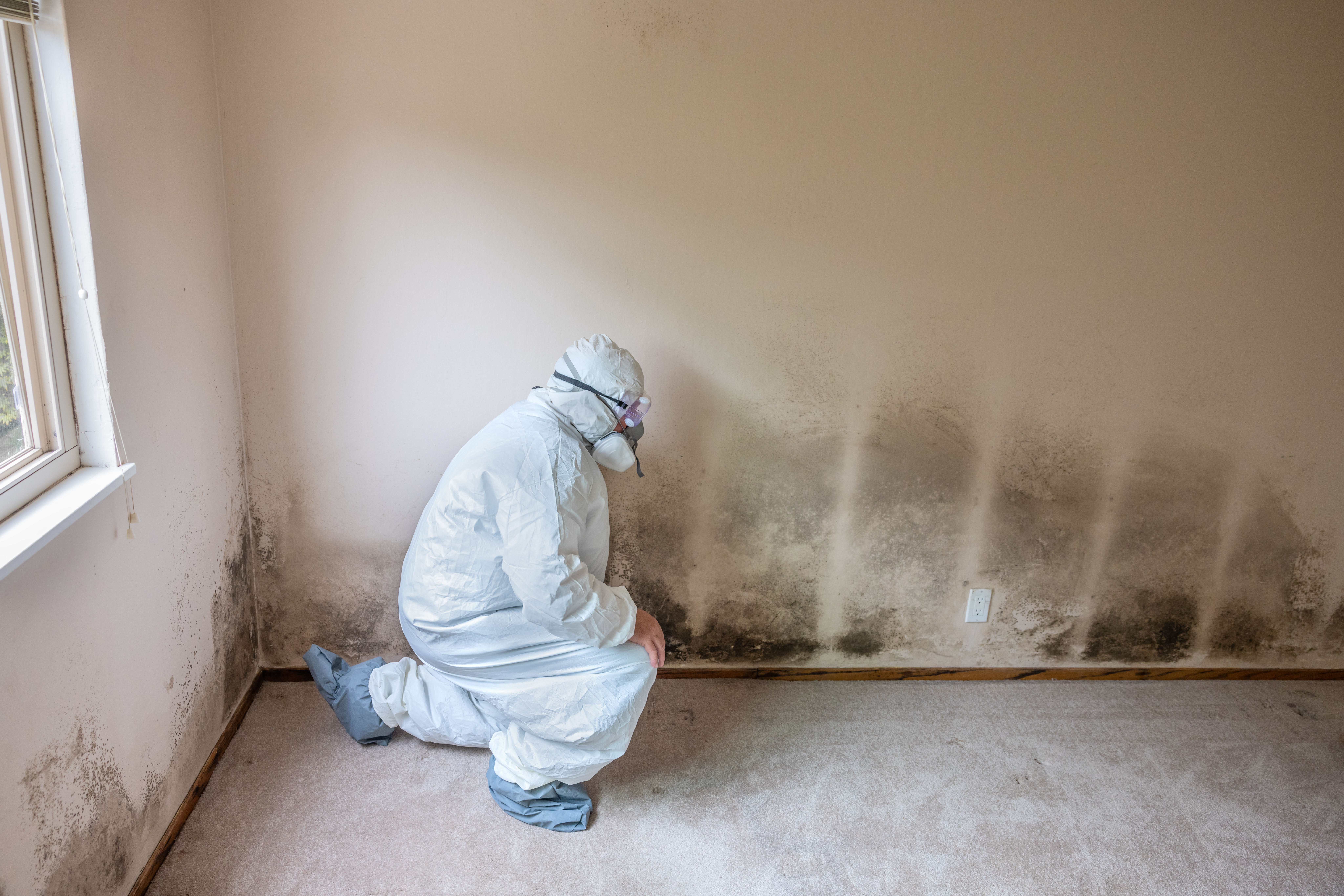
Black mold is one of the most alarming issues homeowners face in Melbourne and throughout Brevard County — and for good reason. While not all black-colored mold is toxic, black mold is often associated with prolonged moisture problems, hidden contamination, and serious indoor air quality concerns.
In Florida’s warm, humid climate, black mold can grow quickly and spread quietly behind walls, under flooring, and inside HVAC systems. Understanding what black mold is, why it appears, and how to handle it safely is critical for protecting your home and your health.
What Is Black Mold?
“Black mold” is a common term used to describe certain mold species that appear dark green or black in color. Some species can produce toxins under the right conditions, but color alone does not determine toxicity.
What does matter is:
- The amount of mold present
- Where it’s growing
- How long it’s been there
- Whether it’s affecting indoor air quality
In Melbourne homes, black mold often indicates ongoing moisture issues, not just surface contamination.
Why Black Mold Is Common in Melbourne Homes
Melbourne’s environment creates ideal conditions for black mold growth:
- High year-round humidity
- Frequent rain and storms
- Roof and plumbing leaks
- Condensation from air conditioning systems
- Poor ventilation in older homes
- Slab construction trapping moisture
Even small, unnoticed leaks can allow black mold to grow undetected for months.
Where Black Mold Is Commonly Found
Black mold is often discovered in hidden or low-ventilation areas, including:
- Behind drywall and insulation
- Under tile, laminate, or carpet
- Bathrooms and showers
- Attics and roof decking
- Closets on exterior walls
- Around windows and doors
- HVAC systems and ductwork
Visible black mold is often just a sign of much larger hidden growth.
Health Risks Associated With Black Mold
Exposure to black mold can affect indoor air quality and health, especially with prolonged exposure.
Common symptoms include:
- Sneezing or coughing
- Nasal congestion
- Eye or throat irritation
- Headaches
- Fatigue
- Worsened asthma or allergies
Children, seniors, and people with respiratory conditions are often more sensitive to mold exposure.
Is Black Mold Always Dangerous?
Not every black-colored mold is toxic, but any indoor mold growth should be taken seriously.
Even non-toxic molds can:
- Trigger allergic reactions
- Irritate airways
- Spread spores throughout the home
- Damage building materials
Because visual identification isn’t reliable, professional assessment is recommended whenever black mold is suspected.
Why DIY Black Mold Cleanup Is Risky
Attempting to remove black mold without professional training can be dangerous.
DIY risks include:
- Releasing large amounts of spores into the air
- Spreading contamination to clean areas
- Failing to remove mold roots in porous materials
- Ignoring hidden growth
- Worsening health symptoms
Household cleaners and bleach may remove stains but do not eliminate the underlying problem.
How Professionals Handle Black Mold
Professional mold remediation focuses on safety and long-term results. The process typically includes:
- Identifying moisture sources
- Containing affected areas
- Using HEPA air filtration
- Removing contaminated materials
- Cleaning and treating remaining surfaces
- Correcting moisture issues
- Verifying safe conditions afterward
This approach prevents cross-contamination and reduces the risk of recurrence.
Does Insurance Cover Black Mold in Melbourne?
Insurance coverage depends on what caused the mold.
Mold may be covered if it resulted from a sudden, accidental event such as:
- A burst pipe
- Storm-related roof damage
- Sudden AC overflow
Mold is usually not covered if caused by:
- Long-term leaks
- High humidity alone
- Poor maintenance
- Gradual moisture intrusion
Prompt documentation and professional evaluation are critical for insurance claims.
How Quickly Black Mold Should Be Addressed
Black mold can begin growing within 24–48 hours after moisture is present. In Melbourne’s warm climate, delays allow mold to spread rapidly and increase remediation costs.
Early intervention is always safer and less expensive than waiting.
Preventing Black Mold in Melbourne Homes
Homeowners can reduce black mold risk by:
- Keeping indoor humidity below 55%
- Running dehumidifiers year-round
- Maintaining HVAC systems regularly
- Fixing leaks immediately
- Improving attic and bathroom ventilation
- Keeping AC running consistently
Moisture control is the key to prevention in Brevard County.
When to Call a Professional Immediately
Immediate professional help is recommended if:
- Black mold is visible
- You smell mold but can’t see it
- Mold returns after cleaning
- Health symptoms worsen indoors
- Mold follows water or storm damage
- Mold is found in HVAC systems
Professional evaluation helps determine the extent and safest next steps.
Conclusion
Black mold is a serious concern for homeowners in Melbourne and Brevard County, not because of its color alone, but because it often signals hidden moisture and widespread contamination.
Understanding the risks, avoiding DIY cleanup, and addressing mold early can protect your home, indoor air quality, and long-term investment. When it comes to black mold, professional assessment and proper remediation are always the safest path forward.