
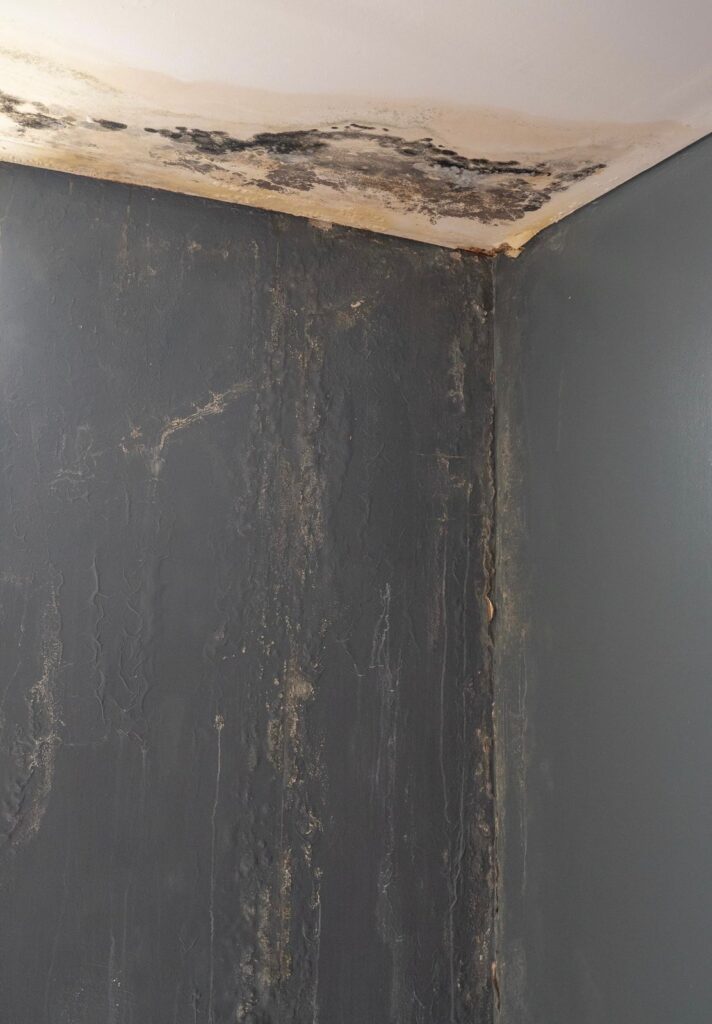
Black Mold in Melbourne: What Homeowners in Brevard County Should Know
If you’ve spotted dark staining on a ceiling, inside a bathroom, or along a baseboard in your Melbourne home, your first thought might be: Is this black mold?
In Brevard County, that question comes up often — especially after heavy rain, roof leaks, or plumbing issues. Florida’s humidity creates ideal conditions for mold growth, and when mold appears dark or black, it naturally raises concern.
The key is understanding what black mold actually means, why it develops so easily in Melbourne homes, and what steps to take without unnecessary alarm.
What “Black Mold” Really Means
The term “black mold” is commonly used to describe any mold that appears dark in color. However, color alone does not identify a specific species.
Many different types of mold can appear:
- Black
- Dark green
- Brown
- Gray
Some species, such as Stachybotrys, are often associated with prolonged moisture exposure and may appear very dark. But visual inspection alone cannot confirm the exact type.
More importantly, the presence of black mold typically indicates a moisture problem that has been present for some time.
The focus should always be on identifying and correcting the moisture source.
Why Black Mold Is Common in Melbourne Homes
Melbourne’s climate provides everything mold needs:
High humidity year-round
Outdoor humidity often exceeds 70%, especially during summer months.
Heavy rainfall and storms
Wind-driven rain during hurricane season can push moisture into small gaps around roofs and windows.
Slab foundation construction
Moisture can migrate upward through concrete after extended rainfall.
Constant air conditioning use
Improperly maintained systems can create condensation buildup.
Hot attics
Extreme attic heat combined with poor ventilation leads to condensation on roof decking.
In this environment, even small leaks can quickly lead to visible dark mold growth.
Where Black Mold Typically Appears in Melbourne
In Brevard County homes, black or dark mold is often found in:
- Bathrooms with inadequate ventilation
- Attics with poor airflow
- Behind drywall after plumbing leaks
- Under flooring after water intrusion
- Around window frames exposed to wind-driven rain
- Inside HVAC systems
- Crawl spaces with high ground moisture
In many cases, homeowners discover mold during remodeling, roof replacement, or real estate transactions.
Often, the moisture issue began weeks or months earlier.
Signs You May Have a Mold Problem
Beyond visible dark staining, homeowners in Melbourne and Palm Bay may notice:
- Musty or earthy odors
- Bubbling or peeling paint
- Soft drywall
- Warped baseboards
- Persistent humidity indoors
- Recurring mildew in bathrooms
Sometimes the first sign is simply a smell that doesn’t go away.
If mold keeps returning after cleaning, moisture likely remains.
Health Considerations
Reactions to mold exposure vary widely.
Some individuals may experience:
- Nasal irritation
- Sneezing
- Eye discomfort
- Increased allergy sensitivity
Others may notice no symptoms at all.
It’s important not to assume that black-colored mold automatically means a severe health issue. Many factors influence indoor air quality, including dust, pollen, pet dander, and humidity levels.
The primary concern with black mold is moisture — not color.
Why DIY Cleaning Often Falls Short
For small areas of surface mildew, routine cleaning may be sufficient. However, larger patches of black mold often indicate deeper moisture problems.
Common mistakes include:
- Spraying bleach without addressing leaks
- Painting over stains
- Ignoring musty odors
- Failing to check hidden areas
Bleach may lighten surface staining but does not remove moisture from drywall or wood framing.
If the moisture source remains, mold will return.
What a Professional Mold Inspection Involves
If black mold is suspected in your Melbourne home, a structured inspection provides clarity.
At Brevard Mold Inspections & Removal, inspections typically include:
Visual Assessment
Examining common moisture-prone areas.
Moisture Detection
Using professional meters to measure moisture levels in walls, ceilings, and floors.
Thermal Imaging
Identifying cooler zones that may indicate hidden dampness.
Humidity Measurements
Evaluating overall indoor moisture balance.
Mold Testing (When Appropriate)
Air or surface samples may be collected and sent to a certified lab if identification is needed.
Testing can be particularly helpful during home sales or insurance situations.
The goal is to determine the extent of growth and identify the moisture source.
Proper Mold Remediation Approach
If mold growth is confirmed, remediation focuses on two priorities:
- Eliminating the moisture source
- Removing affected materials safely
This process may involve:
- Repairing roof or plumbing leaks
- Improving ventilation
- Removing damaged drywall
- Cleaning structural framing
- Installing containment barriers
- Confirming dryness before rebuilding
Containment prevents spores from spreading to unaffected areas during cleanup.
Moisture control ensures the issue does not return.
Preventing Black Mold in Melbourne Homes
Prevention in Brevard County requires consistent moisture management.
Homeowners can:
- Keep indoor humidity between 45–55%
- Service HVAC systems annually
- Clean AC condensate drain lines
- Inspect attic ventilation
- Repair leaks immediately
- Check ceilings after storms
- Inspect crawl spaces periodically
In coastal communities like Satellite Beach and Cocoa Beach, exterior maintenance is especially important due to salt exposure and wind-driven rain.
Small maintenance habits make a significant difference over time.
Older vs. Newer Homes
Older homes in Titusville or Cocoa may have aging roofing materials or outdated ventilation.
Newer homes in Viera or Palm Bay may be tightly sealed for energy efficiency, trapping humidity if airflow isn’t balanced.
Both types of homes can develop black mold if moisture is not managed properly.
Understanding how your home was built helps identify potential risk areas.
Why Local Expertise Matters
Black mold in Florida behaves differently than mold in dry climates.
Melbourne homes face:
- Constant humidity
- Hurricane exposure
- Slab foundation moisture movement
- High attic temperatures
- Heavy AC usage
A local inspection professional understands how moisture travels in Brevard County construction styles.
Brevard Mold Inspections & Removal approaches mold concerns with Florida-specific knowledge, helping homeowners respond calmly and effectively.
A Practical, Balanced Approach
If you discover black mold in your Melbourne home, there’s no need for panic — but there is a need for evaluation.
A professional inspection can:
- Confirm whether mold is present
- Identify moisture sources
- Determine scope
- Provide clear next steps
Often, early intervention keeps repairs limited and manageable.
In Brevard County’s humid climate, mold prevention is ongoing. With proper moisture control, routine maintenance, and local expertise, black mold in Melbourne homes can be addressed effectively — protecting both your home and long-term peace of mind.