
Black Mold in Melbourne: What Homeowners in Brevard County Should Know
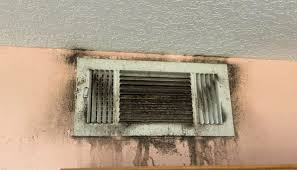
For many homeowners in Melbourne, the words “black mold” immediately raise concern. Between Florida’s humidity, heavy rain, and frequent storms, mold growth is something many families encounter at some point. When dark mold appears on walls or ceilings, homeowners often worry about how serious the problem might be and what to do next.
The good news is that most mold problems in Brevard County homes are manageable when addressed early. The key is understanding what black mold is, why it develops, and how proper inspection and remediation solve the issue safely.
Across Melbourne and nearby communities like Palm Bay, Rockledge, Cocoa, Merritt Island, Titusville, Viera, Satellite Beach, and Cape Canaveral, mold inspections frequently uncover moisture problems that lead to mold growth behind walls, in attics, and beneath flooring. Learning how mold develops helps homeowners respond calmly and protect their homes from further damage.
What People Mean by “Black Mold”
Homeowners often use the term “black mold” to describe any dark mold growing inside a home. In reality, many types of mold appear dark green or black, and most look similar without laboratory testing.
The color alone does not tell the whole story. What matters more is why mold is growing and how much contamination exists.
Mold grows when three conditions are present:
• Moisture
• Warm temperatures
• Organic material such as drywall, wood, or dust
Florida’s climate already provides warmth, so moisture becomes the main factor.
In Melbourne homes, black mold commonly appears after:
• Roof leaks during storms
• Plumbing leaks inside walls
• Appliance failures
• AC condensation problems
• Flooding or heavy rainfall
• Poor bathroom or kitchen ventilation
If materials stay damp for even a short time, mold can begin growing quickly.
Why Black Mold Is Common in Melbourne Homes
Homes throughout Brevard County face environmental conditions that naturally increase mold risks.
High Year-Round Humidity
Humidity levels remain elevated throughout much of the year, making homes slower to dry after leaks or storms.
Frequent Storms and Hurricanes
Heavy rain and wind-driven moisture regularly affect homes along the Space Coast.
Heavy Dependence on Air Conditioning
Air conditioning removes humidity, but clogged drain lines or equipment issues often lead to hidden moisture buildup.
Slab Foundation Construction
Many Melbourne homes sit on slab foundations, allowing water to remain trapped beneath flooring after leaks or flooding.
Coastal Moisture Exposure
Ocean air and lagoon moisture contribute to persistent humidity conditions indoors.
Even newer homes can develop mold if moisture problems go unnoticed.
Signs Black Mold May Be Growing in a Home
Visible mold is often only one part of the problem. Homeowners frequently notice warning signs before mold becomes obvious.
Common signs include:
• Dark spots forming on walls or ceilings
• Musty odors inside rooms
• Peeling paint or bubbling drywall
• Warped baseboards or flooring
• Damp closets or storage spaces
• Mold appearing near vents or windows
• Rooms feeling humid or stale
Sometimes mold appears repeatedly even after cleaning, indicating hidden moisture problems.
If mold returns after cleanup, moisture likely remains behind surfaces.
Hidden Mold Problems Often Spread Before Discovery
Visible mold frequently signals hidden contamination elsewhere in the home.
Behind Walls
Leaks allow water to soak insulation and framing inside wall cavities.
Under Flooring
Appliance leaks or flooding may leave moisture trapped beneath flooring materials.
Attics
Roof leaks or poor ventilation allow mold growth above ceilings.
HVAC Systems
Moisture inside air handlers or ducts may spread mold spores throughout the home.
Kitchens and Bathrooms
Leaks beneath sinks or behind cabinets often go unnoticed for long periods.
Professional inspections often reveal mold contamination extending beyond visible areas.
Why Ignoring Black Mold Leads to Bigger Problems
Because mold sometimes grows out of sight, homeowners may delay addressing the issue. Unfortunately, mold continues spreading while moisture remains.
Ignoring mold problems can lead to:
• Structural wood deterioration
• Insulation contamination
• Persistent indoor odors
• Increased indoor humidity
• Flooring or drywall damage
• Higher repair costs later
Addressing mold early helps keep cleanup smaller and more manageable.
Why DIY Mold Removal Often Doesn’t Work
Many homeowners attempt to clean mold themselves, especially when growth appears small. However, improper cleanup often allows mold to return.
Common DIY mistakes include:
• Using bleach on porous materials
• Cleaning visible mold without fixing moisture sources
• Painting over mold stains
• Running fans that spread spores
• Removing materials without containment
Bleach may remove surface discoloration but does not eliminate mold embedded inside drywall or wood.
Without correcting moisture problems, mold usually returns.
DIY removal may also spread spores into other parts of the home.
How Professional Mold Inspection Helps
Professional inspections help determine how far mold contamination has spread and where moisture is entering the home.
A professional inspection usually includes:
Visual Examination
Inspectors evaluate moisture-prone areas such as attics, walls, HVAC systems, and flooring transitions.
Moisture Detection
Specialized equipment identifies hidden moisture behind walls or beneath flooring.
Ventilation and Humidity Evaluation
Inspectors check airflow and indoor moisture conditions.
Air or Surface Sampling (If Needed)
Testing helps determine whether mold levels indoors are elevated.
Companies like Brevard Mold Inspections & Removal regularly inspect Melbourne homes where black mold concerns arise after storms or leaks.
How Mold Remediation Solves the Problem
When contamination spreads beyond small areas, professional remediation may be necessary.
Remediation typically includes:
Containment Setup
Affected areas are sealed to prevent spores from spreading.
Air Filtration
HEPA air filtration equipment captures airborne mold particles.
Removal of Contaminated Materials
Heavily contaminated drywall or insulation may be removed.
Cleaning Structural Components
Remaining materials are cleaned safely.
Moisture Correction
Leaks or humidity sources are repaired.
Final Cleaning
Remaining spores and debris are removed.
Proper remediation prevents mold from returning.
Preventing Black Mold in Melbourne Homes
Preventing mold mainly involves managing moisture.
Helpful prevention steps include:
• Maintain AC systems regularly
• Clean condensate drain lines
• Repair plumbing leaks quickly
• Inspect roofs after storms
• Use bathroom exhaust fans during showers
• Use dehumidifiers during humid weather
• Check under sinks and appliances regularly
• Monitor indoor humidity below 60%
Early action after leaks greatly reduces mold risks.
Why Local Experience Matters in Brevard County
Mold behaves differently in Florida homes than in drier climates. Local professionals understand how coastal humidity affects homes throughout Brevard County.
Homes across Melbourne, Palm Bay, Rockledge, Cocoa, Merritt Island, Titusville, Satellite Beach, Viera, and Cape Canaveral commonly experience:
• Coastal humidity exposure
• Hurricane intrusion risks
• Slab foundation moisture retention
• Attic heat and moisture buildup
• AC condensation challenges
Local experience helps professionals identify mold risks quickly.
Brevard Mold Inspections & Removal works throughout Brevard County helping homeowners identify hidden moisture problems before repairs become extensive.
A Calm Next Step for Melbourne Homeowners
If you notice dark mold spots, musty odors, or signs of past moisture intrusion, a professional inspection can help determine whether mold or hidden moisture is present.
Most mold problems remain manageable when discovered early. Proper remediation restores indoor comfort and helps prevent mold from returning.
Professional guidance helps homeowners understand what may be happening inside the home and what steps, if any, should follow.
Addressing moisture early helps keep homes healthier and easier to maintain in Brevard County’s humid coastal climate.