
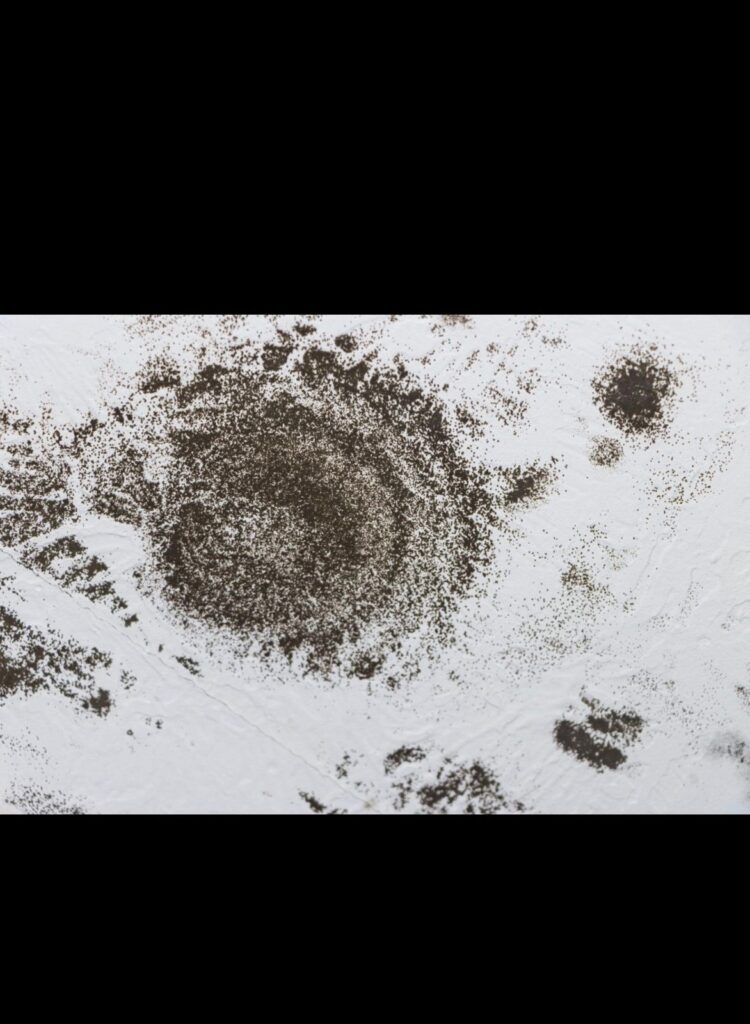
Black Mold in Melbourne: What Homeowners in Brevard County Should KnowBlack mold is one of the most misunderstood — and most feared — household problems in Melbourne and across Brevard County. Some homeowners panic, others ignore it, and both reactions can lead to costly mistakes. The truth sits somewhere in the middle: black mold is serious, but it’s manageable when you understand what you’re dealing with and act correctly.If you live in Melbourne, West Melbourne, or nearby coastal and inland Brevard County areas, this guide will walk you through what black mold really is, why it’s common here, how to recognize it, and what actually works to get rid of it safely.⸻What Is “Black Mold,” Really?The term black mold most often refers to Stachybotrys chartarum, a dark-colored mold species that thrives on wet, cellulose-based materials like drywall, wood, insulation, and cardboard.However, not every dark mold you see is toxic black mold. Several mold species appear black or dark green, including Cladosporium and Aspergillus. The key issue isn’t the name — it’s active mold growth combined with moisture.What all black-colored molds have in common: • They require ongoing moisture • They spread through airborne spores • They damage building materials over time • They can negatively impact indoor air quality⸻Why Black Mold Is Common in Melbourne HomesMelbourne’s environment creates ideal conditions for mold growth almost year-round.Climate & Moisture Factors • High humidity (often above 60%) • Frequent rainstorms • Hurricane and tropical storm exposure • Warm temperatures that accelerate mold growthCommon Mold Triggers in Brevard County Homes • Roof leaks after storms • AC condensation problems • Plumbing leaks behind walls • Slab foundation moisture • Poor bathroom and kitchen ventilation • Flooding or standing water that wasn’t fully driedEven a small, slow leak can feed black mold for months before homeowners notice visible signs.⸻Where Black Mold Hides Most OftenBlack mold doesn’t usually grow out in the open at first. It prefers hidden, damp areas such as: • Behind drywall and baseboards • Under sinks and vanities • Inside air conditioning closets • Attics with roof leaks • Around windows and sliding doors • Behind appliances like washing machines • Inside HVAC systems and ductworkBy the time you see black staining on a wall, the mold may already be well established behind it.⸻Signs You May Have Black MoldVisual Indicators • Dark black or greenish-black spots • Slimy or fuzzy texture • Staining that spreads or returns after cleaning • Warped drywall or peeling paintSmell • Strong, persistent musty or earthy odor • Odors that worsen when AC runsHealth-Related CluesSome people are more sensitive than others, but common symptoms include: • Headaches • Nasal congestion • Coughing or wheezing • Eye or throat irritation • Worsening asthma or allergies • Fatigue when indoorsIf symptoms improve when you leave the house, indoor mold could be a contributing factor.⸻Is Black Mold Dangerous?Black mold should be taken seriously, but panic isn’t helpful.Potential risks include: • Respiratory irritation • Aggravated asthma or allergies • Headaches and sinus issues • Compromised indoor air qualityPeople at higher risk: • Children • Seniors • People with asthma or COPD • Those with weakened immune systemsThe real danger comes from long-term exposure and continued moisture, not brief contact with a small patch of mold.⸻Can You Remove Black Mold Yourself?This depends on how extensive the problem is and where the mold is growing.DIY May Be Acceptable When: • The area is very small (under ~10 sq. ft.) • Mold is on non-porous surfaces (tile, glass) • Moisture source has already been fixed • Proper protective gear is usedDIY Is Risky or Ineffective When: • Mold is behind walls or ceilings • Growth keeps returning • HVAC systems are involved • The affected area is large • You smell mold but can’t see itScrubbing visible mold without fixing moisture or containment often spreads spores and makes the problem worse.⸻What Professional Black Mold Remediation InvolvesA proper remediation process focuses on removal, containment, and prevention, not just cleaning.1. Inspection & Moisture DetectionProfessionals locate visible and hidden mold and identify moisture sources using specialized tools.2. ContainmentAffected areas are sealed off to prevent spores from spreading to clean spaces.3. Air FiltrationHEPA air scrubbers capture airborne spores during remediation.4. Mold RemovalContaminated materials (drywall, insulation, carpet) may be safely removed. Salvageable surfaces are cleaned using professional-grade antimicrobial treatments.5. Drying & DehumidificationIndustrial dehumidifiers ensure moisture levels are brought back to safe ranges.6. Prevention MeasuresRepairs, ventilation improvements, and moisture corrections reduce recurrence risk.⸻Is Mold Testing Necessary?Not always.Testing can be useful when: • Mold is suspected but not visible • You need documentation for real estate or insurance • Health concerns require confirmation • Multiple mold types may be presentHowever, visible mold doesn’t require testing to justify removal. Mold removal decisions should be based on presence and moisture, not just lab results.⸻Cost of Black Mold Remediation in MelbourneCosts vary based on: • Size of affected area • Location (walls, attic, HVAC) • Amount of material removal required • Moisture source complexityTypical ranges: • Small isolated areas: a few hundred dollars • Moderate remediation: low thousands • Extensive hidden or HVAC-related mold: several thousandAlways request a written scope of work and understand exactly what’s included.⸻Will Insurance Cover Black Mold?Coverage depends on the cause.✔ Often covered if mold results from a sudden, accidental event (burst pipe, storm damage)❌ Usually not covered if caused by long-term leaks or neglectHelpful steps: • Document everything with photos • Act quickly after water damage • Keep inspection and remediation reports • Contact your insurer early⸻How to Prevent Black Mold in Brevard County HomesPrevention is all about moisture control.Practical Steps That Work • Keep indoor humidity between 30–50% • Use bathroom and kitchen exhaust fans • Fix leaks immediately • Maintain AC systems and drain lines • Use dehumidifiers in problem areas • Inspect attic and crawl spaces after storms • Improve airflow in closets and storage roomsA simple humidity monitor can help catch problems early.⸻Final ThoughtsBlack mold in Melbourne homes is common — but it’s not unbeatable. Understanding how it forms, recognizing the warning signs, and addressing moisture quickly are the keys to protecting your home and health.Ignoring black mold almost always makes it worse and more expensive. Early action, especially in Brevard County’s humid climate, saves money and stress in the long run.If you want, I can also create: • A Florida-specific black mold prevention checklist • A home inspection mold warning guide • A buyer/seller mold disclosure explainer for Brevard County