
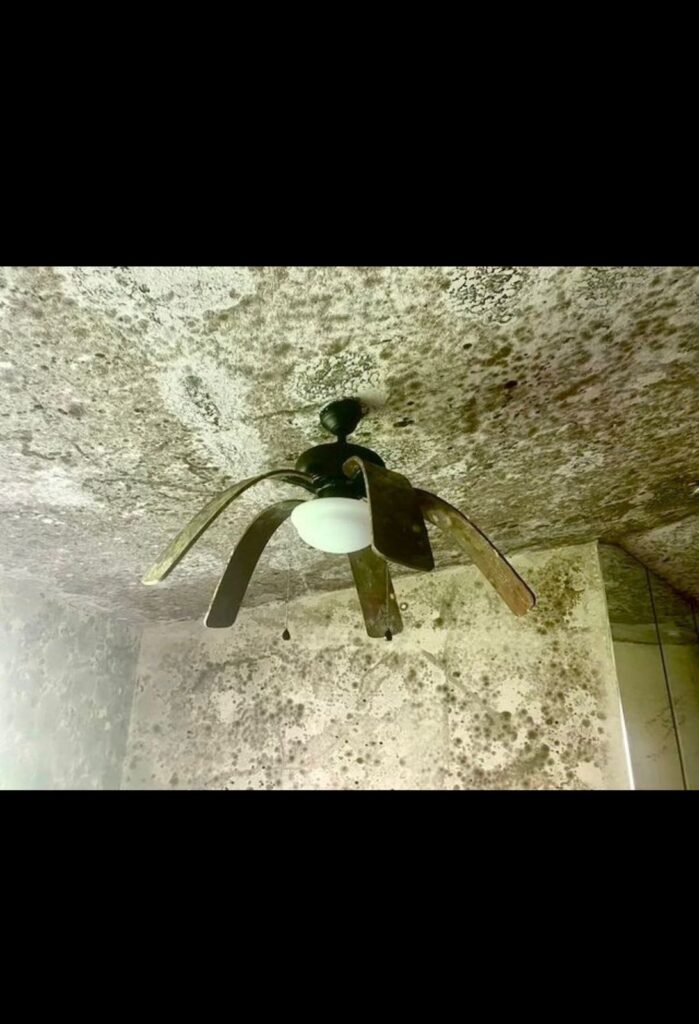
Black Mold in Melbourne: What Homeowners in Brevard County Should KnowBlack mold is one of the most concerning types of indoor mold for homeowners in Melbourne and across Brevard County. Florida’s high humidity, frequent rain, and warm temperatures allow mold to grow quickly—especially when moisture problems go unnoticed. While not every dark-colored mold is toxic, any black mold growth indoors should be taken seriously and addressed promptly.This guide explains what black mold is, why it’s common in Melbourne homes, how it affects health and property, and what homeowners should know about proper response.⸻What Is Black Mold?“Black mold” is a general term used to describe dark-colored mold growth, most commonly associated with Stachybotrys chartarum. However, several mold species appear black or dark green.Important points: • Color alone does not determine toxicity • Black mold thrives on moisture-damaged materials • It commonly grows on drywall, wood, insulation, and paper-backed products • Long-term moisture exposure is usually requiredRegardless of species, black mold indoors signals a moisture problem that must be corrected.⸻Why Black Mold Is Common in Melbourne HomesMelbourne’s environment creates ideal conditions for black mold growth.Common contributing factors include: • High year-round humidity • Heavy rain and tropical weather • Roof leaks and flashing failures • Plumbing leaks inside walls • AC condensation and clogged drain lines • Slab foundations trapping moisture • Power outages after storms increasing indoor humidityBlack mold typically develops where moisture remains for extended periods.⸻How Black Mold Develops IndoorsBlack mold usually forms after unresolved water or humidity problems.Common triggers include: • Slow plumbing leaks • Roof leaks soaking drywall or insulation • Flooding or standing water • Indoor humidity consistently above 60% • Wet materials that never fully dry • Poor ventilation in bathrooms, closets, or storage areasMold can begin growing within 24–48 hours, but black mold often indicates longer-term moisture exposure.⸻Common Places Black Mold Is FoundBlack mold often grows in hidden or low-airflow areas.Typical locations include: • Behind drywall and baseboards • Bathrooms and shower walls • Under sinks and inside cabinets • Closets on exterior walls • Inside HVAC systems and ductwork • Attics with roof or ventilation issues • Crawl spaces • Under flooring after water damageVisible black mold usually means additional hidden growth exists.⸻Signs of Black Mold in the HomeVisual Signs • Black or dark green patches on walls or ceilings • Staining that spreads or returns after cleaning • Bubbling or peeling paint • Warped drywall or baseboardsOdors • Strong musty or earthy smells • Odors stronger after rain • Smells noticeable when AC runsHealth Symptoms • Sneezing or coughing indoors • Nasal congestion or sinus irritation • Eye or throat irritation • Headaches • Worsening asthma or allergies • Fatigue or discomfort indoorsSymptoms that improve when leaving the home may indicate mold exposure.⸻Health Risks Associated With Black MoldHealth effects vary depending on exposure level and individual sensitivity.Possible effects include: • Respiratory irritation • Chronic sinus issues • Allergy-like symptoms • Asthma flare-ups • Headaches • FatigueChildren, seniors, and individuals with respiratory conditions are more vulnerable.⸻Black Mold vs. Other Indoor MoldsFeature Black Mold Other Indoor MoldsColor Dark green or black White, gray, green, brownMoisture Requirement High, long-term VariesCommon Locations Water-damaged materials Many surfacesHealth Risk Potentially higher VariesDIY Removal Not recommended Limited situations onlyColor alone does not determine danger, but black mold often signals serious moisture issues.⸻Why DIY Black Mold Removal Is RiskyDIY cleanup frequently makes the problem worse.Common risks include: • Releasing large amounts of spores • Spreading mold throughout the home • Incomplete removal of contaminated materials • Ignoring hidden moisture sources • Increased health exposureBleach and household cleaners do not remove mold roots from porous materials.⸻What Professional Black Mold Remediation InvolvesEffective remediation addresses both mold and moisture.A professional process may include: • Full inspection and moisture detection • Identifying the moisture source • Containment of affected areas • HEPA air filtration • Removal of contaminated materials • Cleaning and treatment of salvageable surfaces • Drying and dehumidification • HVAC evaluation if needed • Prevention recommendationsWithout moisture correction, black mold will return.⸻Mold Testing and Black MoldTesting is not always required.Testing may be useful when: • Mold is suspected but not visible • Health complaints are involved • Documentation is needed for insurance or real estate • Species identification is requestedVisible black mold generally justifies remediation without delaying for testing.⸻Insurance and Black Mold in MelbourneCoverage depends on the cause of moisture, not mold color.✔ Often covered if caused by sudden, accidental water damage❌ Often denied if caused by long-term leaks, humidity, or neglectPrompt documentation improves claim outcomes.⸻Preventing Black Mold in Melbourne HomesPrevention focuses on moisture control.Effective strategies include: • Keeping indoor humidity between 30–50% • Fixing leaks immediately • Maintaining AC systems and drain lines • Using exhaust fans in bathrooms and kitchens • Inspecting attics and crawl spaces regularly • Monitoring humidity with a hygrometer • Inspecting after storms or power outagesMoisture control is the most effective defense.⸻Why Early Action MattersDelaying black mold remediation can lead to: • Widespread contamination • Structural material damage • HVAC system contamination • Increased health complaints • Higher remediation costsEarly intervention limits damage and protects indoor air quality.⸻Final ThoughtsBlack mold is a serious issue for homeowners in Melbourne and throughout Brevard County, particularly in Florida’s humid climate. While not every black mold is toxic, any black mold indoors indicates moisture problems that must be addressed.Prompt evaluation, proper remediation, and long-term moisture control protect both the home and the health of everyone living inside.