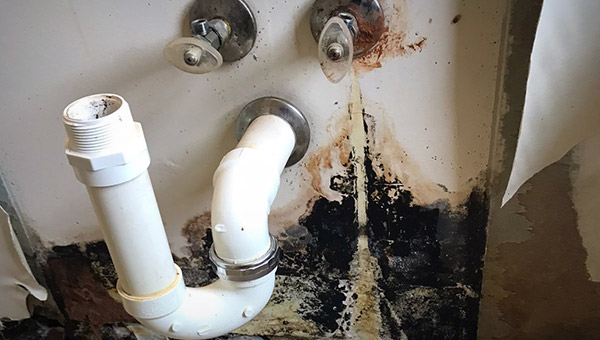
Black Mold in Melbourne: What Homeowners in Brevard County Should Know
In Melbourne, the phrase “black mold” tends to get people’s attention fast—and understandably so. Homeowners may notice dark patches on walls or ceilings, a musty smell that won’t go away, or mold that keeps returning no matter how often it’s cleaned. In Brevard County’s humid climate, black-colored mold is fairly common, but it’s also widely misunderstood.
The presence of dark mold doesn’t automatically mean a severe or unusual situation. What matters most is why the mold is growing, how long moisture has been present, and where the growth is located. Understanding black mold in the context of Melbourne homes helps homeowners respond calmly and correctly, without panic or guesswork.
Why Black Mold Appears in Melbourne Homes
Melbourne’s environment creates ideal conditions for mold growth of all types, including dark or black-colored mold. High humidity, frequent rain, and long cooling seasons mean moisture can linger indoors longer than expected.
Local factors that increase the likelihood of black mold include:
- Year-round high humidity
- Heavy seasonal rainfall and storms
- Slab foundations that trap moisture
- Homes kept closed and air-conditioned
- Condensation around AC vents and ductwork
- Occasional roof or plumbing leaks
When moisture remains in place, mold spores naturally present in the air begin to grow—often appearing dark as they mature.
What “Black Mold” Really Means
“Black mold” is not a technical term. It’s a general label homeowners use to describe mold that appears dark in color. Many different mold types can look black, dark green, or brown depending on:
- Surface material
- Lighting conditions
- Age of the growth
- Moisture levels
Color alone doesn’t determine how serious a mold problem is. In Melbourne homes, dark mold usually indicates longer-term moisture, not a specific type of mold.
Common Places Black Mold Is Found
Black-colored mold tends to appear where moisture stays the longest or goes unnoticed.
Common locations include:
- Bathroom ceilings and grout lines
- Behind drywall near plumbing lines
- Under sinks and inside cabinets
- Beneath laminate or vinyl flooring
- Inside attics after roof leaks
- Around HVAC air handlers and vents
In many cases, what’s visible is only part of the issue.
Why Black Mold Is Often Hidden
In Brevard County homes, mold rarely stays limited to one visible spot. Hidden growth is extremely common.
Black mold is often found:
- Inside wall cavities
- Under flooring on slab foundations
- Behind vanities or built-in cabinets
- Inside attic insulation
- Around ductwork
Because mold doesn’t need light, it can grow quietly behind surfaces for long periods.
Early Signs Black Mold May Be Developing
Homeowners often notice indirect signs before seeing visible black mold.
Common warning signs include:
- Musty or earthy odors
- Odors that worsen when the AC runs
- Peeling paint or bubbling drywall
- Discoloration spreading over time
- Floors that feel soft or damp
These signs usually point to moisture that hasn’t fully dried.
Why DIY Cleaning Rarely Solves Black Mold Problems
Many homeowners try to clean black mold with bleach or store-bought products. While this may remove surface staining, it doesn’t address the underlying problem.
DIY cleaning often fails because:
- Bleach doesn’t penetrate porous materials
- Mold roots remain inside drywall or wood
- Moisture sources are not corrected
- Scrubbing spreads mold spores
In Melbourne’s humid environment, mold almost always returns if moisture isn’t controlled.
Moisture: The Real Cause Behind Black Mold
Mold cannot grow without moisture. In nearly every Melbourne case, black mold traces back to one or more moisture sources.
Common moisture contributors include:
- AC condensate drain line issues
- Poor bathroom ventilation
- Small plumbing leaks
- Roof leaks after storms
- High indoor humidity
Removing mold without fixing moisture only treats the symptom, not the cause.
How Professional Inspections Address Black Mold
A professional mold inspection focuses on conditions, not assumptions based on color.
An inspection typically includes:
- Visual assessment of affected areas
- Moisture readings in walls, floors, and ceilings
- Inspection of HVAC systems and attics
- Identification of hidden moisture
- Determining whether mold is localized or widespread
This process helps homeowners understand what’s actually happening inside their home.
Brevard Mold Inspections & Removal works with Melbourne homeowners to evaluate black mold concerns calmly and factually, without exaggeration or fear-based conclusions.
When Mold Testing Is Helpful
Mold testing isn’t always required, but it can be useful when:
- Mold is suspected but not visible
- Odors persist without a clear source
- Confirmation is needed after remediation
- A real estate transaction requires documentation
Testing works best when guided by inspection findings, not used on its own.
Proper Mold Remediation for Black Mold
Proper remediation focuses on removal and prevention, not cosmetic improvement.
A correct approach may include:
- Containment to prevent spore spread
- Removal of contaminated porous materials
- Cleaning remaining surfaces safely
- Correcting moisture sources
- Thorough drying and humidity control
The goal is long-term stability, not temporary cleanup.
Black Mold After Storms or Water Damage
Storms are a common trigger for black mold in Melbourne homes.
After storms:
- Water may enter through small openings
- Attics and walls can absorb moisture
- Power outages delay drying
- Mold may appear weeks later
Even minor storm damage can lead to mold if moisture remains trapped.
Preventing Black Mold in Melbourne Homes
Prevention focuses on managing moisture consistently.
Helpful prevention steps include:
- Regular AC maintenance and drain line cleaning
- Using bathroom exhaust fans during and after showers
- Monitoring indoor humidity levels
- Inspecting attics after heavy rain
- Addressing leaks promptly
In Florida’s climate, prevention is an ongoing process.
Why Local Melbourne Experience Matters
Mold behaves differently in Florida than in dry or cold climates. Melbourne homes face unique challenges tied to humidity, slab construction, and frequent storms.
Local professionals understand:
- Where moisture commonly hides in Brevard County homes
- How HVAC systems influence mold growth
- How humidity affects drying timelines
This local knowledge is essential for effective solutions.
A Calm, Practical Takeaway for Homeowners
Black mold in Melbourne is common—but it doesn’t have to be overwhelming. Most cases are caused by moisture that stayed too long, not extreme conditions or neglect.
If you’re dealing with dark mold, recurring odors, or moisture that doesn’t resolve, a professional inspection can provide clarity. Understanding why mold is present is the most effective way to remove it properly, prevent it from returning, and protect your home in Brevard County’s humid environment.