
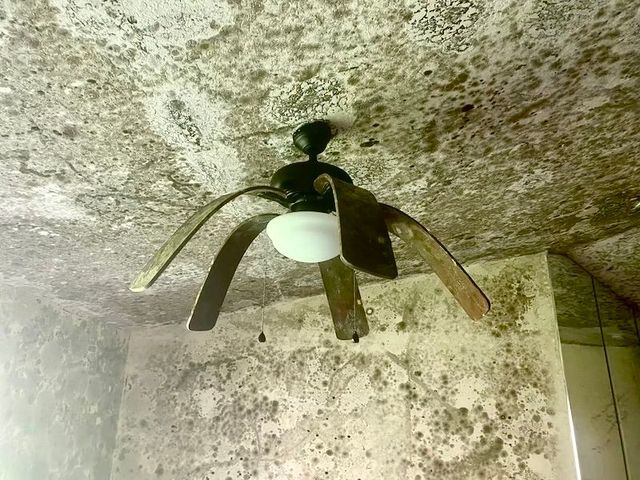
Black Mold in Melbourne: What Homeowners in Brevard County Should Know
Black mold is one of the most talked-about — and misunderstood — mold issues homeowners face in Melbourne. The term alone often causes alarm, yet in Brevard County’s climate, dark-colored mold growth is not unusual. High humidity, frequent rain, storms, and constant air-conditioning create ideal conditions for mold to develop in many homes, sometimes without obvious warning signs.
Understanding what black mold really is, why it appears so often in Melbourne homes, where it tends to grow, and how it should be handled helps homeowners respond calmly and effectively instead of reacting out of fear or frustration.
What People Mean by “Black Mold”
“Black mold” is a general term used to describe mold growth that appears dark green or black in color. Many different mold types can look black, and color alone does not identify the species or severity.
In real homes, the more important questions are not about the name or color of the mold, but why it is there, how widespread it is, and whether moisture is still present. Any mold growth — black or otherwise — indicates a moisture issue that needs attention.
Focusing on moisture and conditions leads to better outcomes than focusing on labels.
Why Black Mold Is Common in Melbourne Homes
Melbourne’s environment places constant moisture pressure on homes. Outdoor humidity stays high most of the year, even when it hasn’t rained. That moisture finds its way indoors through doors, windows, vents, and small gaps in the building envelope.
Storms and heavy rain add another layer of risk. Wind-driven rain can enter through roofs, flashing, windows, and exterior penetrations without causing obvious flooding. Slab foundations, common throughout Brevard County, can also allow moisture to migrate upward after prolonged rain.
Air conditioning runs most of the year. While AC removes humidity, issues like clogged drain lines, dirty coils, poor airflow, or duct condensation can introduce moisture into walls, ceilings, and HVAC components.
Together, these conditions make dark mold growth a common discovery in Melbourne homes.
Where Black Mold Is Most Often Found
Bathrooms are one of the most frequent locations. Steam from showers raises humidity quickly, and if ventilation is weak or fans vent improperly, moisture settles on ceilings, drywall, and behind tile.
HVAC systems are another common source. Mold can develop inside air handlers, drain pans, ductwork, and insulation when condensation isn’t managed properly. Dark mold near vents is often a sign of deeper HVAC moisture issues.
Behind drywall is a frequent hidden location. Small roof leaks, plumbing leaks, or window intrusion can allow moisture into wall cavities, where mold grows unnoticed for long periods.
Attics are also vulnerable. Roof leaks, poor ventilation, and bathroom fans venting into attic spaces often lead to dark mold growth on roof decking and framing.
Under flooring, especially carpet, laminate, or wood, moisture can remain trapped long enough to support mold growth after leaks or prolonged humidity.
How Black Mold Often Develops Without Obvious Leaks
Many homeowners assume black mold requires flooding or major water damage. In reality, that’s often not the case in Florida.
High indoor humidity alone can be enough. When humid air contacts cooler surfaces inside walls, ceilings, or HVAC systems, condensation forms. Over time, materials absorb that moisture and stay damp.
Slow plumbing leaks, AC condensation, minor roof leaks, or repeated small water intrusions can quietly feed mold growth without leaving obvious stains or puddles.
This is why black mold is frequently discovered weeks or months after the moisture problem began.
Early Warning Signs Homeowners May Notice
Musty or damp odors are often the first sign. These smells may come and go and are sometimes stronger when the AC turns on.
Homeowners may notice dark discoloration on ceilings, around vents, or near baseboards. Paint may peel or bubble, and drywall may feel soft in certain areas.
Some rooms may feel more humid than others, even when the thermostat is set low. These subtle changes often appear before mold becomes clearly visible.
Why Cleaning Black Mold Rarely Solves the Problem
Many homeowners attempt to clean black mold with bleach or store-bought products. While this may lighten surface staining, it rarely fixes the problem long-term.
Bleach does not penetrate porous materials like drywall, wood, insulation, or grout backing. Mold can remain active beneath the surface and return once moisture conditions stay the same.
Bleach also contains water, which can soak into porous materials and actually feed mold growth below the surface. This is why black mold often comes back darker and more widespread after cleaning.
Cleaning addresses appearance, not cause.
The Risks of DIY Black Mold Removal
DIY removal often creates more problems than it solves. Scrubbing or spraying mold without containment releases microscopic spores into the air.
In Melbourne homes with central air, those spores can be pulled into the HVAC system and distributed throughout the house. What started as a localized issue can spread to multiple rooms.
DIY efforts also rarely identify hidden mold or moisture sources, allowing the problem to continue growing out of sight.
Professional Mold Inspection for Black Mold Concerns
A professional mold inspection focuses on moisture first, not just visible mold.
Inspectors evaluate bathrooms, HVAC systems, attics, walls, ceilings, and areas with known water exposure. Moisture meters and thermal imaging tools help locate damp materials behind surfaces.
When appropriate, air or surface sampling may be used to support findings or provide documentation. Testing helps clarify conditions but does not replace identifying moisture sources.
An inspection provides homeowners with clear information about what’s present and why.
Proper Mold Remediation for Black Mold
Effective remediation addresses both mold growth and the conditions that allowed it to develop.
Containment is used to prevent spores from spreading during removal. Mold-affected materials are evaluated carefully. Some can be cleaned and saved, while others must be removed when contamination is deep.
Correcting moisture sources is critical. This may involve repairing leaks, improving ventilation, servicing HVAC systems, or stabilizing indoor humidity.
Brevard Mold Inspections & Removal approaches black mold remediation with a prevention-focused mindset rather than surface-level treatment.
Black Mold and HVAC Systems
HVAC-related black mold is especially common in Brevard County. Condensation inside air handlers, drain pans, coils, and ductwork provides constant moisture.
When mold develops inside the system, odors and moisture can be distributed throughout the home. This often explains why black mold appears in multiple locations at once.
Addressing HVAC moisture issues is often a key part of successful remediation.
Preventing Black Mold From Returning
Prevention focuses on moisture control. Bathroom exhaust fans should be used consistently and vented outdoors.
HVAC systems should be maintained to ensure proper drainage and airflow. Filters should be changed regularly, and drain lines kept clear.
Indoor humidity should be monitored, especially during humid months and after storms. Any leaks or water intrusion should be addressed immediately and dried thoroughly.
Regular inspections help catch moisture problems before mold develops.
Why Local Experience in Brevard County Matters
Black mold behaves differently in Florida than in dry climates. Melbourne homes face high humidity, storms, slab foundations, and year-round AC use.
Local experience means understanding where black mold typically develops here and how moisture moves through homes in this environment.
Generic advice often fails in coastal Florida. Solutions must be tailored to local conditions to be effective long-term.
A Calm, Practical Takeaway
Black mold in Melbourne is common, but it doesn’t automatically mean a severe or unmanageable problem. It is a signal that moisture needs attention.
Focusing on why mold is present — rather than reacting to its color — leads to better, longer-lasting results. Early assessment and moisture control make a significant difference.
Homeowners across Brevard County benefit from clear information and practical guidance. Brevard Mold Inspections & Removal helps homeowners identify black mold issues, understand underlying moisture conditions, and take effective steps to protect their homes.
When black mold is handled correctly, it becomes a solvable building issue — not a source of ongoing stress.