
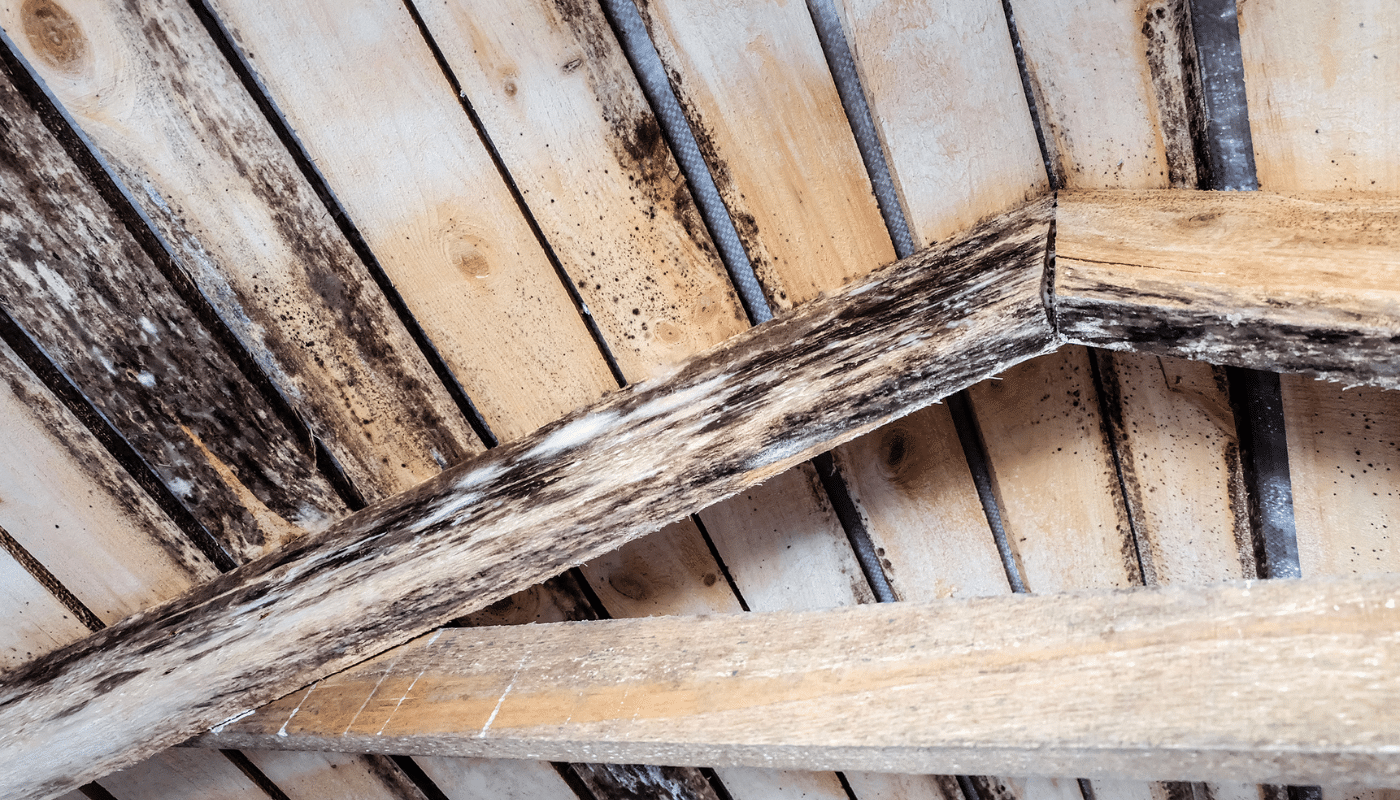
Black Mold in Merritt Island: What Homeowners in Brevard County Should Know
If you live in Merritt Island and you’ve discovered dark staining on a ceiling, wall, or around an AC vent, your first thought might be: Is this black mold?
That reaction is common — especially here in Brevard County, where humidity never really takes a break. Homeowners in Merritt Island, Cocoa, and Rockledge often call with the same concern.
Let’s take a steady, factual approach.
“Black mold” is a term widely used to describe dark-colored mold growth. But color alone does not determine the type of mold, its severity, or the level of risk. In Florida homes, the real issue almost always comes back to one thing:
Moisture.
Understanding why mold develops — and how to handle it properly — is the key to protecting your home.
Why Mold Is So Common in Merritt Island
Merritt Island sits between two bodies of water, creating a unique microclimate. The combination of river air, coastal humidity, heavy rainfall, and year-round warmth creates ideal conditions for mold growth.
Local homes face:
- High humidity throughout the year
- Frequent summer thunderstorms
- Hurricane-driven rain
- Salt air exposure
- Extended air conditioning operation
- Slab foundations with potential ground moisture
Homes in nearby Cape Canaveral and Satellite Beach experience similar moisture pressure.
When water intrusion or humidity isn’t properly controlled, mold growth can begin within 24 to 48 hours.
What “Black Mold” Really Means
Many mold species appear dark green, brown, or black. Some varieties may produce irritants under certain conditions, but appearance alone cannot confirm the species.
You cannot identify mold type simply by looking at it.
In Merritt Island homes, dark staining is often linked to:
- Bathroom steam buildup
- AC condensation issues
- Minor roof leaks
- Poor attic ventilation
- Slow plumbing leaks
- High indoor humidity
Without laboratory testing, no one can confirm the specific type of mold present.
The more important question is not “What color is it?” but rather:
- Where is the moisture coming from?
- Is it active?
- How extensive is it?
Common Areas Where Black Mold Appears
Across Brevard County, dark mold growth most frequently appears in:
Bathrooms
Ceiling corners and around exhaust fans are common trouble spots.
Attics
Roof decking often shows staining when ventilation is insufficient.
Around AC Vents
Cool air meeting humid air creates condensation.
Beneath Sinks
Slow leaks can dampen cabinets and drywall.
Along Baseboards
Slab moisture can affect lower wall areas.
Homes in Melbourne and Palm Bay show similar patterns, particularly during peak humidity months.
Possible Indoor Air Quality Concerns
Mold releases microscopic spores into the air as part of its natural life cycle. When indoor mold growth increases, spore levels may rise.
Some individuals may experience:
- Nasal congestion
- Sneezing
- Coughing
- Eye irritation
- Musty odors
Sensitivity varies. Some people notice symptoms more quickly than others.
It’s important not to jump to conclusions. Indoor air quality can also be influenced by dust, pollen, humidity, and pet dander.
If health concerns arise, consult a qualified healthcare provider for proper medical evaluation.
From a home perspective, moisture control is the practical solution.
Why DIY Cleaning Often Fails
When homeowners see black mold, it’s natural to want to clean it immediately.
However:
- Bleach does not penetrate porous drywall or wood
- Scrubbing can release spores into the air
- Painting over mold hides staining but does not remove growth
- Moisture sources often remain untreated
In Florida’s humid climate, incomplete cleanup almost always leads to recurrence.
Without correcting the underlying moisture issue, mold returns.
What a Professional Mold Inspection Includes
If you suspect black mold in your Merritt Island home, a structured inspection provides clarity.
A proper evaluation typically includes:
Visual Examination
Inspecting bathrooms, attics, HVAC systems, and baseboards.
Moisture Detection
Using calibrated meters to locate hidden damp areas.
Humidity Assessment
Ensuring indoor levels remain between 45–55%.
Ventilation Review
Checking attic airflow and exhaust systems.
Sampling (If Needed)
Air or surface samples can be analyzed by accredited laboratories when necessary.
At Brevard Mold Inspections & Removal, inspections focus on identifying environmental causes — not escalating fear.
Clear documentation helps homeowners make informed decisions.
Proper Remediation for Black Mold
If significant mold growth is confirmed, remediation may involve:
- Containment of affected areas
- HEPA air filtration
- Removal of contaminated porous materials
- Cleaning structural components
- Correction of moisture sources
In Merritt Island homes, moisture correction often includes:
- Roof repairs after storms
- Improving attic ventilation
- Clearing clogged AC drain lines
- Addressing slab-related moisture
Moisture control determines long-term success.
Preventing Mold in Merritt Island Homes
Prevention is always easier than remediation.
Homeowners can reduce mold risk by:
- Monitoring indoor humidity
- Servicing HVAC systems annually
- Flushing AC drain lines regularly
- Inspecting roofing after heavy storms
- Using bathroom exhaust fans during and after showers
- Addressing plumbing leaks immediately
After hurricane season, attic inspections are especially important.
Homes in Titusville and Viera benefit from the same proactive approach.
Why Local Experience Matters
Mold in Florida behaves differently than in dry climates.
Brevard County homes face:
- Coastal humidity
- Elevated groundwater levels
- Extended cooling seasons
- Frequent storms
An inspector unfamiliar with these regional conditions may overlook key contributors.
Brevard Mold Inspections & Removal understands how Merritt Island’s coastal environment influences mold growth patterns.
Local experience ensures solutions match Florida’s reality.
A Calm and Practical Next Step
Seeing black mold in your home can feel unsettling. But most mold issues in Merritt Island are manageable when addressed correctly.
Start by asking:
- Is moisture still present?
- Has there been recent water intrusion?
- Is ventilation adequate?
- Is the growth limited or widespread?
A professional inspection provides clear answers.
Managing humidity and correcting moisture early keeps your Merritt Island home dry, stable, and protected — even in Brevard County’s demanding climate.