
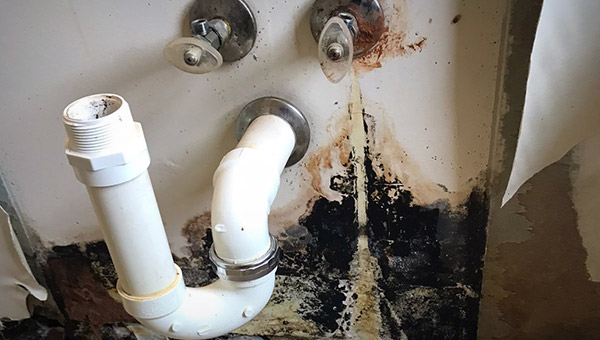
Black Mold in Merritt Island: What Homeowners in Brevard County Should Know
If you’ve discovered dark mold in your Merritt Island home, it’s natural to feel concerned. The term “black mold” carries a lot of weight, especially here in Brevard County where humidity and storm activity make mold growth fairly common.
But before assuming the worst, it’s important to understand what black mold actually is — and what it isn’t.
In most Merritt Island homes, black-colored mold is a sign of ongoing moisture, not a rare or extreme condition. The real issue isn’t the color. It’s the water source feeding it.
Let’s walk through what homeowners in Merritt Island, Cocoa, Rockledge, Titusville, Satellite Beach, and surrounding areas should realistically know.
Is All Black Mold “Toxic”?
Short answer: no.
Many types of mold appear dark or black in color. You cannot determine species or potential health impact based on color alone.
In Florida homes, common household molds often appear:
- Dark green
- Brown
- Gray
- Black
Laboratory testing is required to identify specific mold species.
In Brevard County, what matters most during inspection is:
- Is mold actively growing?
- How extensive is it?
- What moisture source caused it?
Moisture drives mold growth — not the other way around.
Why Black Mold Appears So Often in Merritt Island
Merritt Island sits between the Indian River Lagoon and the Banana River. That means constant humidity exposure.
Combine that with:
- Heavy summer storms
- Hurricane season wind-driven rain
- Slab foundation construction
- Warm attic temperatures
- Year-round air conditioning
When moisture enters a home — even briefly — dark mold can develop quickly.
We frequently see black staining in Merritt Island homes after:
- Roof leaks
- AC drain line backups
- Plumbing leaks under sinks
- Poor attic ventilation
- Window seal failure
The color often reflects moisture exposure over time.
Common Locations Where Black Mold Is Found
In Brevard County homes, black mold most often appears in predictable areas.
Attics
Poor ventilation or storm-related roof intrusion can cause condensation on roof decking.
Because attics are rarely inspected, mold may spread before it’s discovered.
Behind Drywall
Water from roof leaks or plumbing can soak insulation and framing before visible staining appears inside.
Under Sink Cabinets
Slow drain leaks create ideal conditions for mold growth inside enclosed cabinetry.
Around Windows
Wind-driven rain during storms in Merritt Island and Cocoa Beach can push moisture behind window frames.
Under Flooring
Slab homes common in Palm Bay and Merritt Island can trap water beneath laminate or tile flooring.
These areas require careful moisture evaluation.
Signs Black Mold May Be Present
Homeowners often notice:
- Musty or earthy odors
- Dark spotting on drywall or ceilings
- Peeling paint
- Warped baseboards
- Damp insulation in attic spaces
- Persistent indoor humidity
Sometimes odor appears before visible growth.
If a musty smell lingers in one area of your Merritt Island home, moisture may be present behind walls or above ceilings.
Health Concerns and Black Mold
The term “toxic black mold” often creates alarm.
Some mold species can produce substances called mycotoxins. However, not every dark mold produces these compounds, and not every exposure leads to health issues.
Some individuals may experience symptoms when exposed to elevated indoor mold levels, including:
- Nasal congestion
- Coughing
- Eye irritation
- Headaches
- Skin sensitivity
People with allergies or respiratory conditions may notice symptoms more readily.
That said, not every symptom indoors is caused by mold. Florida’s pollen levels, dust, and humidity can also contribute.
The most practical approach is identifying active growth and correcting moisture.
Why DIY Cleanup Can Make Things Worse
When homeowners see black mold, they often try to remove it immediately.
Common DIY mistakes include:
- Scrubbing drywall with bleach
- Painting over stained areas
- Sanding contaminated surfaces
- Removing materials without containment
Bleach does not penetrate porous materials effectively.
Disturbing mold without containment can spread spores into other areas of the home.
In Rockledge and Melbourne homes, we’ve seen small isolated growth spread after improper removal attempts.
Professional containment prevents cross-contamination.
What a Professional Mold Inspection Involves
If black mold is discovered in your Merritt Island home, a proper inspection focuses on moisture first.
A thorough evaluation typically includes:
Visual Assessment
Examining ceilings, walls, attic spaces, plumbing areas, and HVAC systems.
Moisture Detection
Using moisture meters and infrared imaging to detect hidden dampness.
Humidity Measurement
Checking indoor humidity levels to assess environmental conditions.
Sampling (If Needed)
Air or surface samples may be collected if identification or documentation is necessary.
Brevard Mold Inspections & Removal approaches inspections with a calm, methodical process focused on identifying moisture patterns and realistic solutions.
How Black Mold Is Properly Removed
If remediation is necessary, removal follows a structured approach.
Typical steps include:
- Identifying and correcting the water source
- Containing the affected area
- Removing contaminated drywall or insulation if required
- Cleaning structural framing
- HEPA air filtration
- Thorough drying
In Brevard County’s humid climate, drying is critical before repairs begin.
Without moisture stabilization, mold can return — regardless of type.
Preventing Black Mold in Merritt Island Homes
Prevention is practical and consistent.
Homeowners can:
- Keep indoor humidity below 55%
- Service HVAC systems annually
- Flush AC drain lines
- Inspect attics after storms
- Repair roof damage promptly
- Seal window frames and door gaps
- Monitor under-sink plumbing
After hurricanes affecting Satellite Beach, Cocoa, or Rockledge, inspecting ceilings and attic spaces within 48 hours can prevent larger issues.
Humidity control is your strongest defense.
Why Local Experience in Brevard County Matters
Black mold in Merritt Island behaves differently than mold in dry climates.
Local factors include:
- Lagoon-driven humidity
- Hurricane wind pressure
- Salt-air roof deterioration
- Slab foundation moisture
- Constant AC usage
An inspector familiar with Brevard County understands these patterns.
Brevard Mold Inspections & Removal works throughout Merritt Island, Cocoa, Rockledge, Melbourne, Palm Bay, Titusville, and surrounding communities. Local knowledge ensures accurate evaluation and practical recommendations tailored to Florida conditions.
A Balanced, Practical Perspective
Discovering black mold in your Merritt Island home doesn’t automatically mean a severe or dangerous situation.
Most mold issues in Brevard County are manageable when addressed early and correctly.
The priority is identifying moisture, correcting it, and removing affected materials safely.
If you’ve noticed dark staining, persistent odors, or water damage, a professional inspection can provide clarity.
In Florida’s humid climate, moisture control remains the foundation of mold prevention — no matter what color it appears to be.