Black Mold in Merritt Island: What Homeowners in Brevard County Should Know
Living in Merritt Island offers beautiful waterfront views, coastal breezes, and a relaxed Florida lifestyle. But it also means living in one of the most moisture-heavy environments in Brevard County. High humidity, frequent storms, salt air, and year-round air conditioning make mold—especially black mold—a concern many homeowners eventually face.
Black mold is one of the most misunderstood household issues in Florida. It’s often surrounded by fear, misinformation, and panic-driven advice. The reality is much calmer. Black mold problems in Merritt Island homes are usually the result of moisture that went unnoticed or unresolved—not negligence or poor housekeeping. Understanding how black mold develops, where it hides, and how it’s properly handled helps homeowners respond the right way without unnecessary stress.
What Homeowners Mean by “Black Mold”
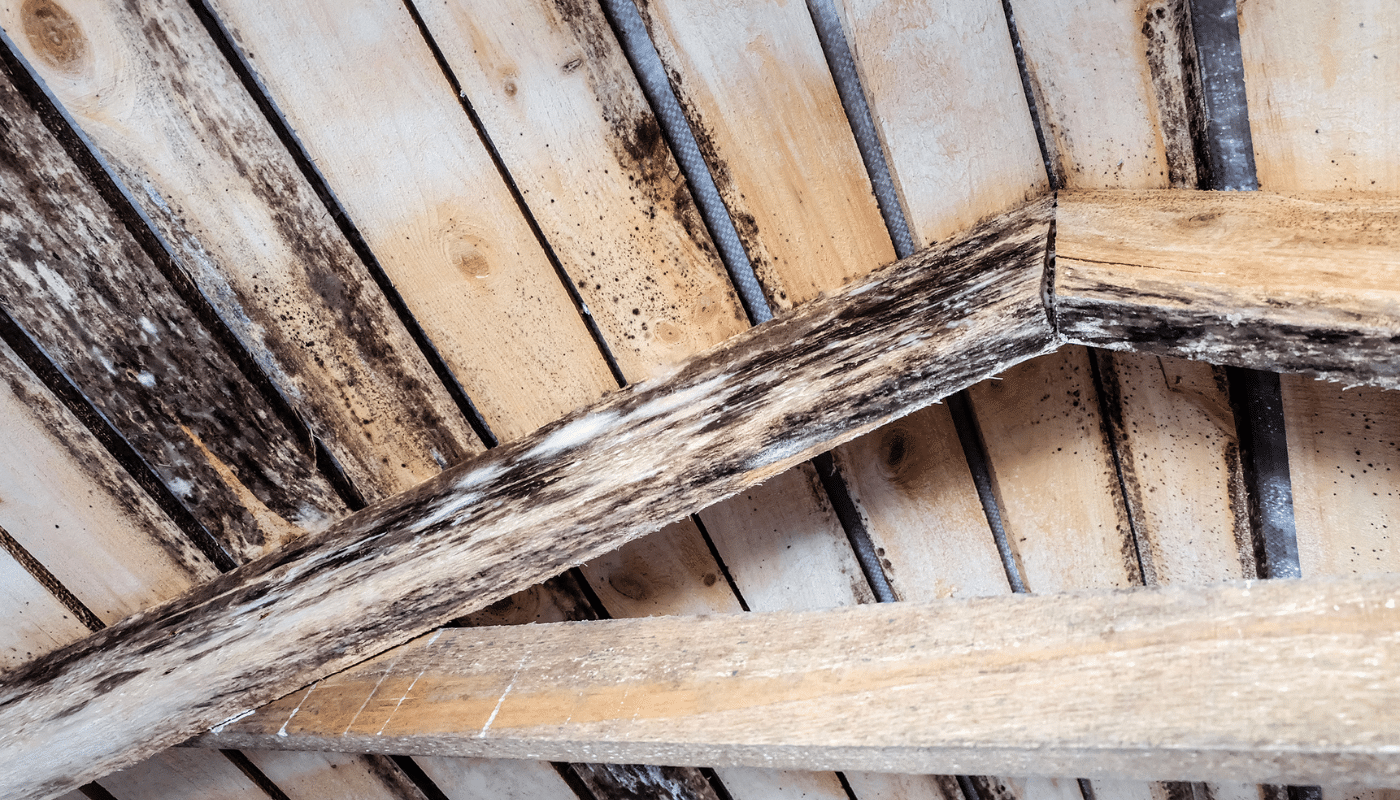
When homeowners refer to “black mold,” they are usually describing dark-colored mold growth that appears black or deep green on surfaces. Not all dark mold is the same, and not every black-looking mold is the same species.
What matters most is not the color—it’s why the mold is growing and what conditions allowed it to develop. In Merritt Island homes, black mold typically forms where moisture stays present for extended periods, such as behind walls, under flooring, in attics, or around HVAC systems.
The appearance of black mold is often a signal that moisture has been present longer than homeowners realized.
Why Black Mold Is Common in Merritt Island Homes
Merritt Island’s location between the Indian River and Banana River creates a constant moisture-rich environment. Even on dry days, humidity levels remain high, and salt air adds another layer of stress to building materials.
Common local factors that contribute to black mold include:
- Persistent coastal humidity
- Heavy rainfall and tropical storms
- Wind-driven rain entering small openings
- Long AC run times creating condensation
- Slab foundations that trap moisture below floors
- Attic heat combined with humid air intrusion
Homes near waterways or built decades ago may be especially vulnerable due to older construction methods or worn seals and roofing materials.
How Black Mold Usually Starts
Black mold rarely appears overnight. In most Merritt Island homes, it develops slowly after a moisture issue goes unnoticed.
Common starting points include:
- Small roof leaks after storms
- Plumbing leaks inside walls or under sinks
- AC drain line backups or air handler condensation
- Poor ventilation in bathrooms or laundry areas
- Past water damage that was never fully dried
Once moisture stays present, mold begins feeding on drywall, wood, insulation, or dust. Over time, the growth darkens and becomes more noticeable.
Signs Homeowners Commonly Notice
Many homeowners don’t immediately see black mold. Instead, they notice indirect signs that something isn’t right.
These often include:
- A persistent musty or earthy smell
- Dark staining on walls, ceilings, or baseboards
- Bubbling paint or peeling drywall
- Warped flooring or soft spots
- Increased condensation around vents or windows
In some cases, mold is discovered only during renovations, AC servicing, or attic inspections.
Hidden Black Mold in Merritt Island Homes
Some of the most serious black mold problems in Brevard County are hidden completely out of sight. In Merritt Island, inspectors frequently find mold in areas homeowners rarely access.
Common hidden locations include:
- Behind bathroom or kitchen walls
- Beneath laminate, vinyl, or carpeted flooring
- Inside attic insulation after roof leaks
- Around HVAC air handlers and ductwork
- Inside wall cavities from old plumbing issues
Because black mold doesn’t require light, these areas can support growth for months without visible clues.
Why DIY Cleaning and Bleach Make Things Worse
It’s very common for homeowners to attempt cleaning black mold with bleach or household cleaners. While this may remove surface discoloration, it rarely solves the actual problem.
DIY cleanup often fails because:
- Bleach doesn’t penetrate porous materials
- Moisture sources are left unresolved
- Scrubbing can spread spores into the air
- Hidden mold is completely missed
In humid environments like Merritt Island, moisture quickly returns if the root cause isn’t addressed, allowing mold to grow back—often worse than before.
The Importance of Proper Mold Inspection
Before addressing black mold, it’s important to understand where it’s growing and why. A professional mold inspection focuses on identifying moisture sources and the extent of mold growth, not just what’s visible.
Inspections typically include:
- Visual assessment of affected and surrounding areas
- Moisture detection to locate damp materials
- Evaluation of HVAC systems and ventilation
- Targeted sampling when appropriate
The goal is clarity—not alarm. Understanding the scope of the issue allows homeowners to make informed decisions.
Brevard Mold Inspections & Removal takes a calm, methodical approach, helping Merritt Island homeowners understand what’s happening inside their homes without unnecessary fear or exaggeration.
How Black Mold Is Properly Removed
Black mold removal is not simply cleaning. It’s a controlled remediation process designed to safely remove mold and prevent it from returning.
A proper approach includes:
- Containment to prevent cross-contamination
- Identifying and correcting moisture sources
- Removing contaminated porous materials
- Cleaning and treating remaining surfaces
- Ensuring the area is dry and stable afterward
Each step matters. Skipping moisture correction almost guarantees recurrence.
Black Mold Removal vs Mold Remediation
Homeowners often hear “mold removal” and “mold remediation” used interchangeably, but remediation is the more complete process.
Removal focuses on eliminating visible mold. Remediation includes:
- Fixing leaks or condensation issues
- Improving ventilation or drainage
- Removing affected materials
- Preventing future growth
In some cases, moisture correction alone may stop mold progression. In others, full remediation is necessary.
Preventing Black Mold in Merritt Island Homes
Once black mold is addressed, prevention becomes the priority—especially in a coastal environment.
Effective prevention steps include:
- Regular AC maintenance and drain line cleaning
- Keeping indoor humidity under control
- Inspecting attics and ceilings after storms
- Using exhaust fans consistently
- Sealing gaps around windows and doors
- Addressing small leaks immediately
Homes near water or exposed to strong coastal winds should be inspected more frequently.
Why Local Merritt Island Experience Matters
Black mold behaves differently in Merritt Island than in inland or dry regions. Coastal humidity, storms, and salt air create unique challenges that require local knowledge.
Professionals familiar with Brevard County construction styles, climate patterns, and moisture behavior understand where mold is most likely to develop and how to address it effectively. Brevard Mold Inspections & Removal brings that local experience into every inspection and remediation plan, focusing on long-term solutions rather than quick fixes.
A Calm, Practical Next Step for Homeowners
Discovering black mold can feel unsettling, but it doesn’t have to be overwhelming. With proper inspection, careful remediation, and moisture control, black mold issues can be resolved safely and effectively.
If you’re noticing persistent odors, dark staining, or unexplained moisture in your Merritt Island home, a professional evaluation can provide clarity. Understanding the issue is the first step toward protecting your home and maintaining a stable, comfortable indoor environment—without unnecessary worry.