Toxic Mold in Indian Harbour Beach: What Homeowners in Brevard County Should Know
In Indian Harbour Beach, the phrase “toxic mold” immediately raises concern—and understandably so. Homeowners often encounter the term after noticing dark mold growth, persistent musty odors, or ongoing moisture problems that don’t seem to go away. Living in a coastal community means constant exposure to humidity, salt air, storms, and moisture-rich conditions, all of which can create environments where problematic mold growth develops if moisture isn’t controlled.
What’s important for homeowners to understand is that mold concerns in Indian Harbour Beach are less about labels and more about conditions. Mold becomes a serious issue when it’s actively growing due to ongoing moisture, spreading through hidden areas, or repeatedly returning despite cleaning. Knowing how so-called “toxic mold” situations arise, where mold hides, and how it should be handled helps homeowners respond calmly and effectively.
Why Mold Concerns Are Common in Indian Harbour Beach Homes
Indian Harbour Beach sits directly along the Atlantic, which means moisture is part of everyday life. Even homes that are well maintained can struggle with mold if moisture lingers longer than expected.
Local factors that increase mold risk include:
- High year-round coastal humidity
- Salt air that degrades seals and building materials
- Wind-driven rain during storms
- Long AC run times creating condensation
- Slab foundations common in the area
- Homes kept closed and air-conditioned most of the year
These conditions make it easy for moisture to remain trapped inside walls, floors, attics, and HVAC systems.
What Homeowners Mean by “Toxic Mold”
When homeowners say “toxic mold,” they are usually referring to mold growth they believe may be harmful due to:
- Dark or unusual appearance
- Strong musty odors
- Persistent or spreading growth
- Mold that keeps returning after cleaning
It’s important to understand that many types of mold can look dark or alarming, and appearance alone doesn’t determine how serious a situation is. The real issue is whether mold is actively growing due to unresolved moisture and whether it’s affecting large or hidden areas of the home.
How Problematic Mold Develops in Coastal Homes
In Indian Harbour Beach, mold problems rarely start with major flooding. More often, they develop slowly from everyday moisture.
A typical pattern looks like this:
- Moisture enters from humidity, condensation, or minor leaks
- Surfaces dry visually, but internal materials remain damp
- Airflow is limited in walls, floors, or attics
- Mold begins growing out of sight
- Odors, staining, or recurring growth appear later
Because drying happens slowly in coastal humidity, mold can grow long before it’s noticed.
Common Areas Where Mold Becomes a Serious Issue
Homes in Indian Harbour Beach often experience mold growth in similar locations.
High-risk areas include:
- Bathrooms and bathroom ceilings
- Behind drywall near plumbing
- Under laminate or vinyl flooring
- Attics after storms or roof leaks
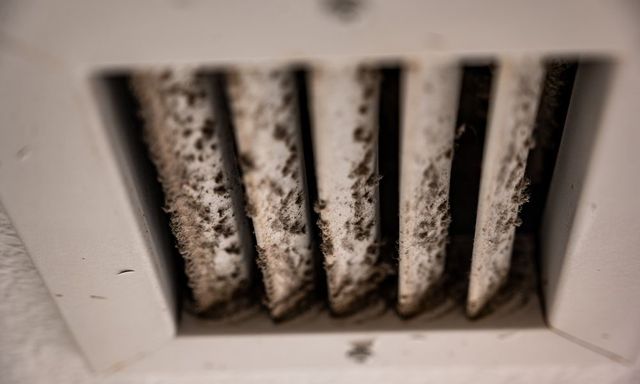
- HVAC air handlers, drain pans, and ductwork
- Closets on exterior walls
Visible mold is often just a clue pointing to hidden moisture nearby.
Bathrooms and Mold Concerns
Bathrooms are one of the most common places homeowners first notice mold.
This typically happens when:
- Steam isn’t vented properly
- Exhaust fans are undersized or rarely used
- Moisture lingers on ceilings and walls
Bathroom mold is usually a ventilation issue, not a cleaning issue.
Slab Foundations and Hidden Mold
Most Indian Harbour Beach homes are built on slab foundations. Moisture can migrate upward through the slab and become trapped beneath flooring.
This can lead to:
- Mold under floors with no visible signs
- Persistent musty odors
- Mold returning even after surface cleaning
Under-floor mold is one of the most commonly overlooked issues in coastal homes.
Attics and Storm-Related Mold Growth
Attics are another frequent source of serious mold problems.
Attic mold often develops from:
- Wind-driven rain entering roof gaps
- Improperly vented bathroom fans
- High attic heat combined with humidity
- Wet insulation drying very slowly
Because attics aren’t regularly inspected, mold can spread extensively before being discovered.
HVAC Systems and Mold Spread
HVAC systems are a major factor in mold concerns.
Mold can develop in:
- Condensate drain pans
- Evaporator coils
- Inside air handlers
- Damp ductwork
Once mold is present in an HVAC system, spores and odors can circulate throughout the home, making the issue feel widespread.
Why Cleaning Mold Doesn’t Solve the Problem
Many homeowners repeatedly clean mold only to see it return.
Cleaning fails because:
- Mold roots remain embedded in porous materials
- Hidden growth is untouched
- Moisture sources remain active
- Cleaning adds moisture
As long as moisture isn’t corrected, mold continues growing regardless of how often it’s cleaned.
Risks of DIY Mold Cleanup
DIY mold cleanup can unintentionally make situations worse.
Common risks include:
- Scrubbing releases spores into the air
- Mold spreads to other areas
- Hidden growth remains undetected
- Moisture problems aren’t addressed
In Florida’s humid climate, DIY efforts often lead to repeated mold cycles.
Warning Signs Mold May Be More Serious
Some signs suggest mold may be part of a larger hidden issue.
Watch for:
- Strong or spreading musty odors
- Mold that returns quickly after cleaning
- Odors stronger when the AC runs
- Discoloration spreading on walls or ceilings
- Damp or cool flooring
These signs usually point to ongoing moisture problems.
The Role of a Professional Mold Inspection
A professional mold inspection focuses on why mold is growing, not just how it looks.
An inspection may include:
- Moisture readings in walls and floors
- HVAC system evaluation
- Attic inspection for storm-related moisture
- Identifying hidden damp areas
This helps determine whether remediation is needed and how extensive it should be.
Brevard Mold Inspections & Removal works with Indian Harbour Beach homeowners to evaluate mold concerns calmly and clearly, focusing on moisture behavior, building conditions, and long-term prevention rather than fear-based assumptions.
Mold Testing and “Toxic Mold” Concerns
Mold testing isn’t always required, but it can help when:
- Mold is suspected but not visible
- Odors persist without a clear source
- HVAC involvement is suspected
- Confirmation is needed after remediation
Testing is most effective when guided by inspection findings and explained in context.
Proper Mold Remediation
Effective mold remediation focuses on removal and moisture correction.
A proper approach may include:
- Containment to prevent spore spread
- Removal of contaminated porous materials
- Cleaning remaining surfaces appropriately
- Correcting moisture sources
- Thorough drying and humidity control
Skipping moisture correction is the most common reason mold returns.
Preventing Serious Mold Problems in Indian Harbour Beach
Prevention depends on consistent moisture management.
Helpful steps include:
- Using bathroom exhaust fans properly
- Maintaining HVAC systems
- Monitoring indoor humidity
- Addressing leaks immediately
- Inspecting attics after storms
- Allowing airflow in closets and storage areas
Consistency matters more than aggressive cleaning.
Newer Homes Are Not Immune
Even newer Indian Harbour Beach homes can experience mold issues.
Reasons include:
- Tighter construction trapping moisture
- Reduced natural airflow
- Heavy reliance on mechanical systems
Newer homes may hide moisture longer before problems become visible.
Why Local Indian Harbour Beach Experience Matters
Mold behaves differently in coastal Florida than in dry climates. Indian Harbour Beach homes face challenges tied to humidity, salt air, storms, slab foundations, and long cooling seasons.
Local professionals understand:
- Where mold commonly hides locally
- How coastal moisture behaves indoors
- How long materials actually take to dry
Local experience leads to more accurate assessments and longer-lasting solutions.
A Calm, Practical Takeaway for Homeowners
“Toxic mold” concerns in Indian Harbour Beach are common—but they don’t have to be overwhelming. Most serious mold problems develop slowly due to moisture that wasn’t fully controlled, not because of extreme contamination.
If you’re dealing with recurring mold, persistent odors, or moisture issues that don’t make sense, a professional inspection can provide clarity. Identifying where moisture is coming from and correcting it is the most effective way to protect your home and maintain comfort in Brevard County’s coastal environment.