
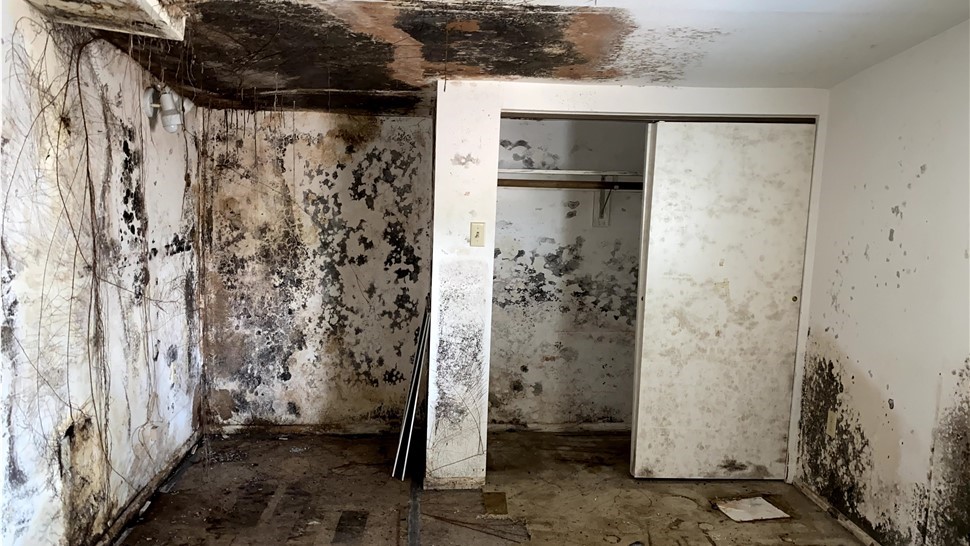
Black Mold in Satellite Beach: What Homeowners in Brevard County Should Know
For homeowners in Satellite Beach, the words black mold can raise immediate concern. Coastal humidity, frequent storms, and year-round air conditioning create conditions where dark mold growth is not uncommon—but it’s often misunderstood. Not every dark stain is a crisis, and not every mold issue looks dramatic at first.
In Brevard County, black mold concerns usually come down to moisture control, building materials, and timing. Understanding what black mold really is, why it shows up in Satellite Beach homes, and how it’s properly evaluated helps homeowners respond calmly and correctly.
What People Mean by “Black Mold”
“Black mold” is a general term homeowners use to describe dark-colored mold growth. It’s not a scientific category and doesn’t automatically indicate a specific species or severity.
Dark mold can appear black, deep green, or gray. It may grow on drywall, wood, insulation, or inside HVAC components. The color alone doesn’t tell you how extensive the growth is or why it formed.
What matters far more than color is moisture—where it’s coming from and how long it’s been present.
Why Black Mold Is Common in Satellite Beach Homes
Satellite Beach sits directly along the coast, which brings constant exposure to moist ocean air. Even on sunny days, humidity remains high. When humid air enters a cooled home, condensation can form on cooler surfaces and inside building materials.
Brevard County also experiences frequent storms. Wind-driven rain can push moisture into attics, walls, and around windows or doors without obvious flooding. Salt air accelerates wear on seals, fasteners, and HVAC components, allowing small moisture pathways to develop over time.
Many homes in Satellite Beach are built on slab foundations. After brief water intrusion or plumbing issues, moisture can become trapped beneath flooring, supporting mold growth that isn’t visible right away.
Where Black Mold Is Commonly Found
Black mold tends to appear in areas where moisture lingers and airflow is limited.
Bathrooms are frequent trouble spots. Steam from showers can keep ceilings and walls damp if exhaust fans are weak or underused.
Attics often develop dark mold on roof decking or trusses due to condensation, roof leaks, or improperly vented bathroom fans.
HVAC systems are another common source. Condensation inside air handlers, drain pans, or ductwork can support mold growth that spreads odors throughout the home when the system runs.
Behind walls and under flooring are also common locations, especially after past leaks or storms. These areas can stay damp long after surfaces appear dry.
Early Signs That Black Mold May Be Present
Black mold doesn’t always announce itself with obvious patches.
A persistent musty or earthy odor is one of the most common early signs, especially noticeable when the air conditioning turns on.
Homeowners may see faint discoloration or spotting on ceilings, walls, or near vents. Paint may bubble or peel as moisture tries to escape from behind surfaces.
Rooms that feel damp, sticky, or harder to cool can also indicate underlying moisture problems that support mold growth.
Why Black Mold Often Appears After Storms
In Satellite Beach, black mold concerns frequently arise weeks after storms—not immediately.
After heavy rain or hurricanes, moisture can enter attics, walls, or floors. Power outages and high humidity slow drying, allowing materials to remain damp.
Even when visible water is cleaned up, moisture can stay trapped inside drywall, insulation, or wood. Dark mold may then appear later, seemingly without a clear cause.
This delay is one reason homeowners are often surprised by black mold growth after a storm has passed.
Why Color Alone Doesn’t Tell the Whole Story
It’s common to assume black mold is automatically more serious than lighter-colored mold. In practice, severity depends on extent, location, and moisture conditions—not color.
A small amount of dark mold caused by temporary humidity may be manageable, while lighter-colored mold hidden behind walls could indicate a larger moisture problem.
That’s why proper evaluation focuses on where the mold is, how much there is, and what’s feeding it.
Risks of Ignoring Black Mold
Ignoring black mold allows moisture problems to continue.
Over time, mold can spread into additional materials, increasing repair scope. Damp insulation loses effectiveness, wood can deteriorate, and odors can migrate into living spaces through airflow.
In homes with central air conditioning, mold inside HVAC components can affect multiple rooms even if growth started in one area.
Addressing black mold early usually keeps solutions simpler and more contained.
Why DIY Cleanup Often Makes Things Worse
DIY cleanup is one of the biggest risks with black mold.
Scrubbing visible mold without containment can release mold particles into the air. In Satellite Beach homes, those particles can be pulled into HVAC systems and spread throughout the house.
Household cleaners and bleach may lighten stains but don’t penetrate porous materials like drywall or wood. Bleach also adds moisture, which can worsen conditions in humid environments.
DIY efforts often remove symptoms while leaving the underlying moisture problem untouched—leading to quick recurrence.
How Professional Inspections Evaluate Black Mold
A professional mold inspection looks beyond appearance.
Inspections typically include a detailed visual assessment, moisture detection with meters, and sometimes thermal imaging to locate damp materials behind surfaces.
Inspectors evaluate ventilation, HVAC performance, and building areas prone to condensation or leaks. When appropriate, air or surface samples may be collected and sent to an independent laboratory to document mold presence and extent.
Local professionals such as Brevard Mold Inspections & Removal focus on identifying why black mold developed—not just where it’s visible.
What Proper Black Mold Remediation Involves
Effective remediation addresses both mold and moisture.
Containment is used to prevent spread during removal. Affected materials are cleaned, treated, or removed depending on severity and material type. Porous materials with significant growth often require removal and replacement.
Just as important is correcting the moisture source. This may involve HVAC drainage repairs, improved ventilation, sealing exterior openings, or addressing roof or plumbing issues.
Without moisture correction, black mold is likely to return.
Preventing Black Mold in Satellite Beach Homes
Prevention is largely about moisture awareness.
Maintaining HVAC systems helps control humidity and prevent condensation. Drain lines should be kept clear, filters replaced regularly, and duct insulation maintained.
Bathroom exhaust fans should vent outdoors and be used during and after showers long enough to clear humidity.
After storms, attics, ceilings, and areas near windows or doors should be inspected for signs of moisture intrusion.
Monitoring indoor humidity—especially during humid months or vacancies—helps catch issues early.
Why Local Experience Matters
Black mold behaves differently depending on climate and construction.
Satellite Beach homes face coastal humidity, salt air, storm exposure, and slab foundations. Local experience helps professionals recognize common moisture pathways and avoid misdiagnosis.
What works in drier regions often falls short here.
A Practical Takeaway for Satellite Beach Homeowners
Black mold in Satellite Beach is often a moisture issue first—and a mold issue second.
Color alone doesn’t define severity. Understanding where moisture is coming from and how long it’s been present is what guides the right response.
If you’re seeing dark mold, noticing persistent odors, or dealing with recurring moisture—especially after storms—a professional evaluation can provide clarity. With accurate information and local expertise, Satellite Beach homeowners can address black mold calmly, correctly, and with lasting results.