
Black Mold in Satellite Beach: What Homeowners in Brevard County Should Know
Living in Satellite Beach means ocean air, coastal breezes, and beautiful surroundings. It also means constant exposure to moisture. For many homeowners in Brevard County, concerns about black mold often surface after storms, AC problems, or persistent indoor humidity. The term itself can sound alarming, but understanding what black mold really is — and how it behaves in coastal Florida homes — helps homeowners respond calmly and correctly.
Black mold issues in Satellite Beach are not rare, and they are not always the result of major flooding or neglect. In most cases, they develop quietly from moisture that stays trapped inside walls, ceilings, or HVAC systems. Knowing what to look for and how professionals address these situations can prevent unnecessary damage and stress.
What People Mean by “Black Mold”
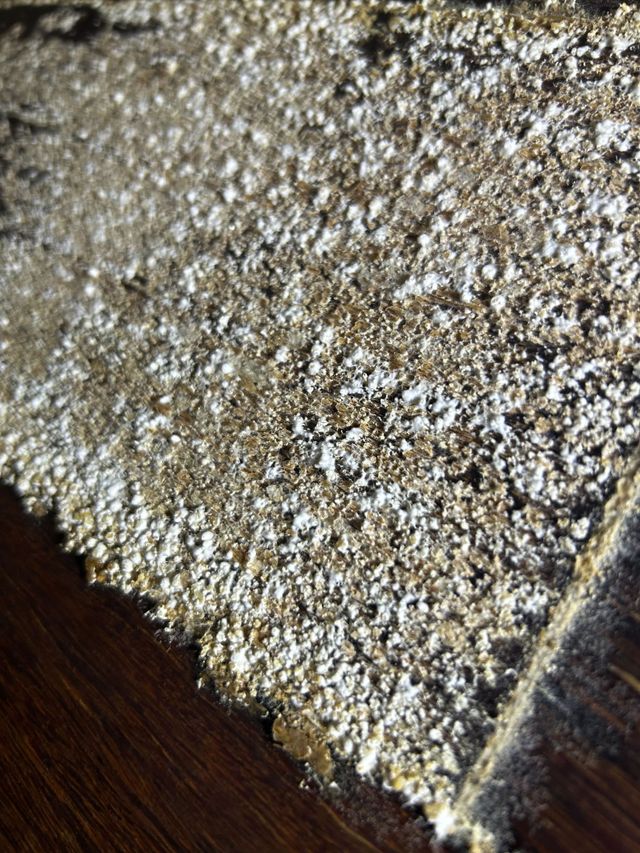
The term “black mold” is commonly used to describe dark-colored mold growth found indoors. In homes, this usually refers to mold that appears black or very dark green on surfaces such as drywall, ceilings, or around air vents.
It’s important to understand that color alone does not determine severity. Many types of mold can appear black, especially when growing on damp building materials. What matters most is why the mold is there, how long moisture has been present, and whether the growth is active.
In Satellite Beach homes, black mold often develops in areas that stay damp due to coastal humidity or salt-laden air that slows drying.
Why Black Mold Is Common in Satellite Beach Homes
Satellite Beach sits directly along the Atlantic Ocean, and that coastal location plays a major role in mold development.
High humidity is constant. Even when there’s no rain, moisture in the air can infiltrate homes and keep materials from fully drying. Indoor humidity can rise quickly if air conditioning systems are not removing moisture efficiently.
Wind-driven rain is another major factor. Coastal storms push rain sideways, allowing water to enter through roof edges, vents, windows, and siding. This type of intrusion often leaves no obvious signs at first.
Air conditioning systems also contribute. AC units run nearly year-round in Satellite Beach, producing condensation. If drain lines clog or pans overflow, moisture can leak into surrounding drywall, closets, or ceilings.
Salt air accelerates wear on building components. Over time, this can create small gaps or failures that allow moisture intrusion without obvious damage.
Early Signs of Black Mold Homeowners Notice
Black mold doesn’t usually appear overnight. There are often warning signs before visible growth is discovered.
A persistent musty or damp odor is one of the most common indicators, especially when the AC turns on or after the home has been closed up.
Dark staining or spotting on walls, ceilings, or around vents may appear slowly. These areas are often mistaken for dirt or soot at first.
Some homeowners notice areas that never seem to dry, such as corners of rooms, closets, or bathrooms with poor ventilation.
In more advanced cases, materials may show damage. Bubbling paint, warped drywall, or soft spots often indicate moisture has been present long enough for mold to develop.
Common Places Black Mold Hides in Satellite Beach Homes
In many cases, black mold is not fully visible.
Behind walls is one of the most common locations. Water from roof leaks, window intrusion, or plumbing issues can enter wall cavities and remain trapped.
Under flooring is another frequent problem, especially in slab homes. Moisture can migrate up through concrete and become trapped beneath laminate, vinyl plank, or carpet.
Attics are a major concern in coastal homes. Roof leaks, humid air, and poor ventilation can lead to black mold growth on roof decking and insulation.
HVAC systems are often involved. Mold can grow inside air handlers, drain pans, ductwork, and around supply vents, allowing spores to circulate throughout the home.
Why Black Mold Often Appears After Storms
Storms and hurricanes significantly increase mold risk in Satellite Beach.
Wind-driven rain can force moisture into areas that normally stay dry. Even minor roof or window issues can allow enough water in to start mold growth.
Power outages after storms worsen the problem. Without air conditioning, indoor humidity rises quickly, slowing drying and creating ideal conditions for mold.
Flooding or high groundwater levels can also introduce moisture through slab foundations, especially in low-lying coastal areas.
Black mold may not appear until weeks after the storm, which often leads homeowners to underestimate the connection.
Why DIY Black Mold Cleanup Is Risky
When homeowners see black mold, the instinct is often to clean it immediately. Unfortunately, DIY cleanup often causes more problems.
Bleach and household cleaners may remove surface discoloration but do not eliminate mold growing inside porous materials like drywall or wood.
Scrubbing visible mold without containment can release spores into the air, spreading them to other rooms.
DIY efforts also rarely address the moisture source. Without correcting the underlying issue, black mold almost always returns.
In coastal environments like Satellite Beach, moisture problems are rarely limited to one small area.
How Professionals Approach Black Mold Inspection
Professional mold inspections focus on conditions, not just appearance.
The process starts with a detailed visual assessment of the home, including attics, HVAC systems, bathrooms, and areas with past water damage.
Moisture detection tools are used to locate damp materials behind walls or under flooring, even when surfaces appear dry.
When appropriate, air or surface samples may be collected and sent to a laboratory for analysis. This helps confirm mold presence and guide remediation decisions.
Local professionals such as Brevard Mold Inspections & Removal understand how coastal moisture behaves in Satellite Beach homes and know where hidden issues are most likely to exist.
Proper Black Mold Remediation Explained
Effective remediation is controlled and methodical.
Containment is established first to prevent spores from spreading during cleanup.
The moisture source is identified and corrected. This may involve roof repairs, sealing exterior openings, AC system adjustments, or ventilation improvements.
Affected materials are removed or treated based on the extent of contamination. Porous materials that cannot be properly cleaned are typically removed.
After removal, the area is thoroughly cleaned and dried with prevention in mind. The goal is long-term moisture control, not just surface cleaning.
Preventing Black Mold in Satellite Beach Homes
Prevention is especially important in coastal Brevard County.
Keep indoor humidity below 60 percent whenever possible.
Maintain air conditioning systems regularly and keep drain lines clear.
Use bathroom and kitchen exhaust fans consistently.
Inspect your home after storms, even if no damage is visible.
Address small leaks, condensation, or musty odors promptly.
Why Local Brevard County Experience Matters
Black mold behaves differently in coastal environments than inland areas. Satellite Beach homes face constant exposure to salt air, humidity, and wind-driven rain.
Professionals familiar with Brevard County construction styles and weather patterns understand how quickly conditions can change and how to respond appropriately.
Local experience leads to better assessments, targeted remediation, and practical prevention strategies.
A Calm, Practical Next Step for Satellite Beach Homeowners
Finding black mold in your home can be unsettling, but it doesn’t require panic. The most important step is understanding why it’s there and how extensive the issue may be.
A professional inspection provides clarity and helps determine whether remediation is necessary and at what level. Trusted local providers like Brevard Mold Inspections & Removal focus on careful assessment, accurate information, and long-term solutions rather than pressure.
In Satellite Beach’s coastal environment, early attention and local expertise go a long way toward protecting your home and avoiding repeat mold problems.