
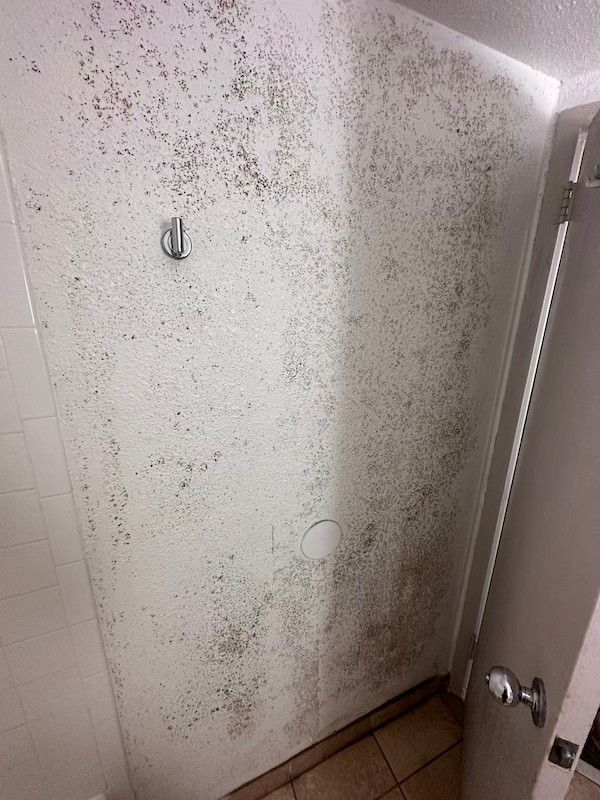
Black Mold in Satellite Beach: What Homeowners in Brevard County Should Know
Living in Satellite Beach means ocean breezes, coastal views, and year-round warmth. It also means constant humidity.
And humidity is mold’s best friend.
Across Brevard County — from Melbourne and Palm Bay to Cocoa Beach, Merritt Island, Titusville, Rockledge, Viera, and Cape Canaveral — black mold is one of the most common concerns homeowners call about. Not because homes are neglected. But because Florida’s climate creates the perfect conditions for hidden moisture.
If you’ve noticed a musty smell, dark spotting, or past water damage, here’s what you need to understand.
What “Black Mold” Really Means
Many homeowners use the term “black mold” to describe any dark mold growth they see on walls or ceilings.
In reality, mold comes in many colors — black, green, gray, or brown. The color alone doesn’t determine severity. What matters most is:
- How long moisture has been present
- Where the mold is growing
- Whether the moisture source is still active
In Satellite Beach homes, mold commonly appears on:
- Drywall
- Ceiling corners
- Baseboards
- Attic roof decking
- Around AC vents
- Behind cabinets
Mold doesn’t need flooding to grow. It just needs steady moisture and organic material — and in Florida, that’s easy to find.
Why Mold Is So Common in Brevard County
Black mold isn’t a “dirty home” problem. It’s usually a moisture problem.
Here’s why it’s especially common in Brevard County:
Coastal Humidity
Satellite Beach and Cape Canaveral homes constantly absorb salt-laden moisture from the ocean air. Even when windows are closed, humidity levels remain elevated.
Heavy Rain & Hurricanes
Storm season affects areas from Palm Bay to Titusville. Roof leaks, window intrusion, and minor water entry often go unnoticed until staining appears weeks later.
AC Condensation
Air conditioning runs nearly year-round. When drain lines clog or ducts sweat, moisture builds inside walls and ceilings.
Slab Foundations
Many homes in Cocoa and Rockledge are built on slab foundations. Moisture migrating upward through flooring can lead to hidden mold under tile or laminate.
Attic Heat & Ventilation Issues
Attics in Melbourne and Merritt Island can reach extreme temperatures. If ventilation is inadequate, trapped moisture condenses on roof decking — a common place for dark mold growth.
Common Signs Homeowners Notice
Mold usually announces itself quietly before becoming visible.
Persistent Musty Odor
That damp smell that lingers after rain is often the first warning.
Dark Spots on Walls or Ceilings
Small black or gray speckles near vents or ceiling edges are common in Satellite Beach homes with high humidity.
Bubbling Paint or Soft Drywall
Moisture behind surfaces causes paint to peel and drywall to weaken.
Recurring Stains
If you’ve painted over a spot more than once and it keeps returning, moisture is likely still present.
Warped Baseboards or Flooring
Hidden moisture under flooring in Viera or Palm Bay properties often leads to mold growth beneath the surface.
Hidden Causes Homeowners Often Miss
The visible mold is often just a symptom.
Behind Interior Walls
A slow plumbing leak inside a bathroom wall in Rockledge can feed mold for months before becoming obvious.
Under Flooring
Dishwasher leaks, refrigerator line drips, or slab moisture intrusion are common in Cocoa Beach homes.
Attics
Improper ventilation or past roof leaks in Titusville and Merritt Island frequently lead to mold on wood sheathing.
HVAC Systems
Dirty evaporator coils and clogged drain pans can circulate moisture throughout the home.
Previous Storm Repairs
Homes that experienced hurricane-related water intrusion in Cape Canaveral may appear dry but still retain trapped moisture in wall cavities.
Why Ignoring It Makes the Problem Worse
It’s tempting to wipe mold away with bleach or paint over it.
But here’s what typically happens:
- Bleach lightens the stain but doesn’t remove root growth in porous materials
- Scrubbing without containment spreads spores
- Painting traps moisture behind drywall
- The source of moisture remains active
We’ve inspected homes across Brevard County where surface cleaning delayed proper remediation for years.
Mold is not just about what you see. It’s about why it’s there.
What a Professional Mold Inspection Looks Like
When Brevard Mold Inspections & Removal evaluates a property, the focus is on identifying moisture sources first.
Visual Examination
Inspecting visible mold, staining, and moisture-prone areas.
Moisture Detection
Using professional meters to identify damp areas behind walls and under flooring.
Thermal Imaging (When Appropriate)
Temperature differences can reveal hidden moisture pockets.
Air or Surface Sampling
If needed, samples are collected and analyzed by a lab to confirm mold presence and concentration levels.
The goal is clarity. Not alarm.
Proper Mold Removal & Remediation in Florida Homes
Effective mold remediation follows a structured process:
Containment
Plastic barriers and negative air systems prevent cross-contamination.
Source Correction
Leaks, condensation issues, or ventilation problems are corrected first.
Removal of Damaged Materials
Porous materials like drywall or insulation that cannot be salvaged are safely removed.
HEPA Cleaning & Air Filtration
Specialized filtration systems reduce airborne particles.
Drying & Prevention
Moisture levels are brought back to normal to prevent recurrence.
This approach ensures the problem doesn’t simply return months later.
How to Prevent Mold in Satellite Beach Homes
You can’t eliminate humidity in Florida — but you can manage it.
Here are practical steps:
- Keep indoor humidity between 45–55%
- Service your AC system annually
- Flush AC drain lines regularly
- Inspect roofs after major storms
- Ensure attic ventilation is functioning properly
- Use bathroom exhaust fans during and after showers
- Address plumbing leaks immediately
After heavy rain in areas like Satellite Beach or Cocoa Beach, do a quick visual check around ceilings and baseboards.
Early detection saves money and stress.
Why Local Experience Matters
Mold behavior in Brevard County is different than in drier climates.
Homes in Merritt Island may experience elevated crawl space humidity. Slab homes in Palm Bay often deal with upward moisture migration. Coastal homes in Cape Canaveral face salt-air exposure that affects materials differently.
Understanding local building styles, hurricane history, and AC-heavy cooling systems makes a difference in accurate diagnosis and remediation.
That’s why working with a local company like Brevard Mold Inspections & Removal provides confidence that the inspection reflects real Florida conditions — not generic assumptions.
When to Schedule an Inspection
Consider a professional evaluation if:
- You smell mustiness that won’t go away
- You’ve had recent storm or plumbing damage
- You’re buying or selling a home
- You see recurring stains
- You’ve painted over the same area more than once
An inspection doesn’t mean you have a major problem. It simply provides answers.
And in Florida’s climate, being proactive is always easier than being reactive.
Final Thoughts for Brevard County Homeowners
Black mold in Satellite Beach homes is usually the result of one thing: moisture that wasn’t fully addressed.
With the combination of coastal air, heavy rainfall, hurricane seasons, and constant AC use, Brevard County homes require ongoing moisture awareness.
The good news? Most mold issues can be resolved effectively when identified early.
Stay attentive to humidity. Watch for small warning signs. And when in doubt, seek a calm, professional evaluation.
Your home in Satellite Beach — or anywhere in Brevard County — deserves a dry, healthy environment.