
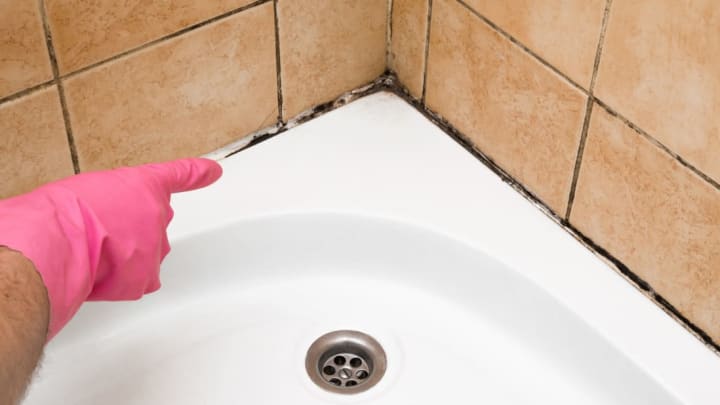
DIY Mold Risks in Cocoa Beach: What Homeowners in Brevard County Should Know
In Cocoa Beach, dealing with moisture is simply part of living near the coast. Salt air, heavy summer rains, hurricanes, and everyday humidity constantly challenge homes along the Space Coast. So when homeowners spot mold on a bathroom ceiling, wall corner, or closet surface, the first instinct is often to grab cleaning supplies and handle it themselves.
At first, DIY mold removal seems simple. Spray cleaner, scrub the area, repaint if needed, and move on. But across Cocoa Beach and Brevard County, many mold problems actually grow worse after well-intended cleanup attempts.
Professional inspections throughout Cocoa Beach, Cape Canaveral, Satellite Beach, Melbourne, Palm Bay, Merritt Island, Titusville, Rockledge, and Viera often reveal mold that spread because moisture problems weren’t fully addressed during early cleanup efforts.
Understanding the risks of DIY mold removal helps homeowners protect both their homes and long-term indoor comfort.
Why Mold Develops So Easily in Cocoa Beach Homes
Mold is naturally present outdoors throughout Florida. It becomes a problem when it grows indoors where moisture remains trapped.
Homes in Cocoa Beach regularly face moisture exposure from:
• Hurricane and storm intrusion
• Wind-driven coastal rain
• Plumbing leaks inside walls
• Appliance leaks
• AC condensation problems
• High indoor humidity
• Bathroom and kitchen moisture buildup
Mold only needs moisture, warmth, and organic materials like drywall or dust to grow. Florida provides ideal conditions, so moisture control becomes the key factor.
If wet materials are not dried properly within a short time, mold can begin growing quickly.
Why DIY Mold Cleanup Seems Appealing
Most homeowners try to fix mold themselves for understandable reasons.
Common motivations include:
• Wanting a quick solution
• Avoiding repair costs
• Believing the problem is small
• Not realizing mold may be hidden
• Assuming cleaning products solve the issue
Small visible mold spots may seem manageable, and sometimes surface mold truly is minor. But many mold problems extend beyond what is visible.
When moisture sources remain, mold typically returns.
What Homeowners Usually See First
DIY cleanup usually begins after homeowners notice warning signs such as:
• Dark spots on walls or ceilings
• Mold near shower tiles or vents
• Musty odors inside rooms
• Peeling paint or bubbling drywall
• Damp closets or storage spaces
Cleaning these areas may temporarily improve appearance, but if moisture remains behind surfaces, mold often spreads unseen.
Hidden Mold Is Often the Bigger Problem
One of the biggest risks of DIY mold cleanup is that homeowners only treat what they can see.
In Cocoa Beach homes, mold often grows in hidden areas like:
Behind Walls
Leaks or storm intrusion soak insulation and framing, allowing mold to spread inside wall cavities.
Under Flooring
Flooding or appliance leaks leave moisture trapped beneath flooring materials.
Attics
Roof leaks or ventilation issues allow mold growth above ceilings.
HVAC Systems
Moisture inside air handlers or ducts spreads mold spores throughout homes.
Cabinets and Vanities
Leaks beneath sinks often remain unnoticed.
When surface mold is cleaned but hidden moisture remains, contamination continues spreading.
Why Bleach and Store-Bought Cleaners Often Fail
Bleach is commonly used during DIY cleanup, but it often fails to solve mold problems in homes.
Bleach works mainly on non-porous surfaces. However, most building materials are porous.
Bleach typically:
• Removes surface discoloration
• Does not penetrate drywall or wood
• Leaves moisture behind
• Allows mold roots to survive
After cleaning, mold frequently returns because moisture remains inside materials.
Painting over mold stains without correcting moisture simply hides the problem temporarily.
How DIY Cleanup Can Spread Mold Further
Another risk is unknowingly spreading mold spores throughout the home.
Common DIY mistakes include:
• Scrubbing mold without containment
• Using fans that push spores into other rooms
• Removing drywall without sealing work areas
• Walking through contaminated areas without protection
Disturbing mold allows spores to travel through air and settle in new locations.
Homeowners sometimes clean one room only to find mold appearing in another later.
Why Ignoring Moisture Makes Mold Worse
DIY cleanup often focuses only on appearance instead of moisture correction.
If leaks or humidity issues remain, mold continues growing.
Ignoring moisture problems can lead to:
• Structural material damage
• Persistent indoor odors
• Increased indoor humidity
• Flooring or drywall deterioration
• Higher repair costs later
Addressing moisture early prevents larger repairs.
When DIY Cleanup May Be Enough
Not every mold situation requires professional remediation. Small areas caused by minor condensation may sometimes be cleaned safely if moisture is corrected.
Examples might include:
• Small surface mold caused by occasional bathroom humidity
• Mold on non-porous surfaces with no leak history
However, recurring mold or mold linked to leaks usually signals deeper problems.
If mold returns after cleaning, professional evaluation is often helpful.
How Professional Mold Inspection Helps
Professional inspections help determine whether mold is limited or spreading beyond visible areas.
An inspection typically includes:
Visual Examination
Inspectors evaluate moisture-prone areas such as attics, walls, and HVAC systems.
Moisture Detection
Tools locate hidden moisture behind walls or beneath floors.
Ventilation and Humidity Evaluation
Inspectors assess airflow and moisture conditions.
Air or Surface Sampling (If Needed)
Testing may help determine whether mold levels are elevated.
Companies like Brevard Mold Inspections & Removal regularly inspect Cocoa Beach homes where mold returns after cleaning.
How Professional Mold Remediation Solves the Problem
When contamination spreads, professional remediation safely removes mold while correcting moisture conditions.
Remediation typically includes:
Containment Setup
Work areas are sealed to prevent spores from spreading.
Air Filtration
HEPA filtration equipment captures airborne particles.
Removal of Contaminated Materials
Damaged drywall or insulation may be removed when necessary.
Cleaning Structural Components
Remaining materials are cleaned safely.
Moisture Correction
Leaks or humidity sources are corrected.
Final Cleaning
Remaining spores and debris are removed.
Proper remediation prevents mold from returning.
Practical Steps to Prevent Mold Problems
Preventing mold mainly involves moisture control.
Helpful prevention steps include:
• Run bathroom exhaust fans during showers
• Repair plumbing leaks quickly
• Maintain AC systems regularly
• Clean condensate drain lines
• Inspect roofs after storms
• Use dehumidifiers when humidity rises
• Check under sinks and appliances regularly
• Monitor indoor humidity below 60%
Quick action after leaks greatly reduces mold risks.
Why Local Experience Matters in Cocoa Beach
Mold behaves differently in coastal Florida homes compared to drier regions. Local professionals understand how moisture moves through Brevard County homes.
Homes across Cocoa Beach, Satellite Beach, Cape Canaveral, Melbourne, Palm Bay, Merritt Island, Rockledge, Titusville, and nearby communities commonly face:
• Coastal humidity exposure
• Hurricane intrusion risks
• Slab foundation moisture retention
• Attic heat and humidity buildup
• AC condensation issues
Local experience helps professionals identify moisture problems quickly.
Brevard Mold Inspections & Removal works throughout Brevard County helping homeowners uncover hidden mold problems before repairs become extensive.
A Calm Next Step for Cocoa Beach Homeowners
If mold keeps returning after cleaning or musty odors remain in your home, a professional inspection can help determine whether hidden moisture is present.
Most mold problems remain manageable when addressed early. Correcting moisture sources and removing contamination helps restore indoor comfort.
Professional guidance helps homeowners understand what is happening and what steps, if any, should follow.
Addressing moisture early helps protect both your home and long-term indoor comfort along the Space Coast.