
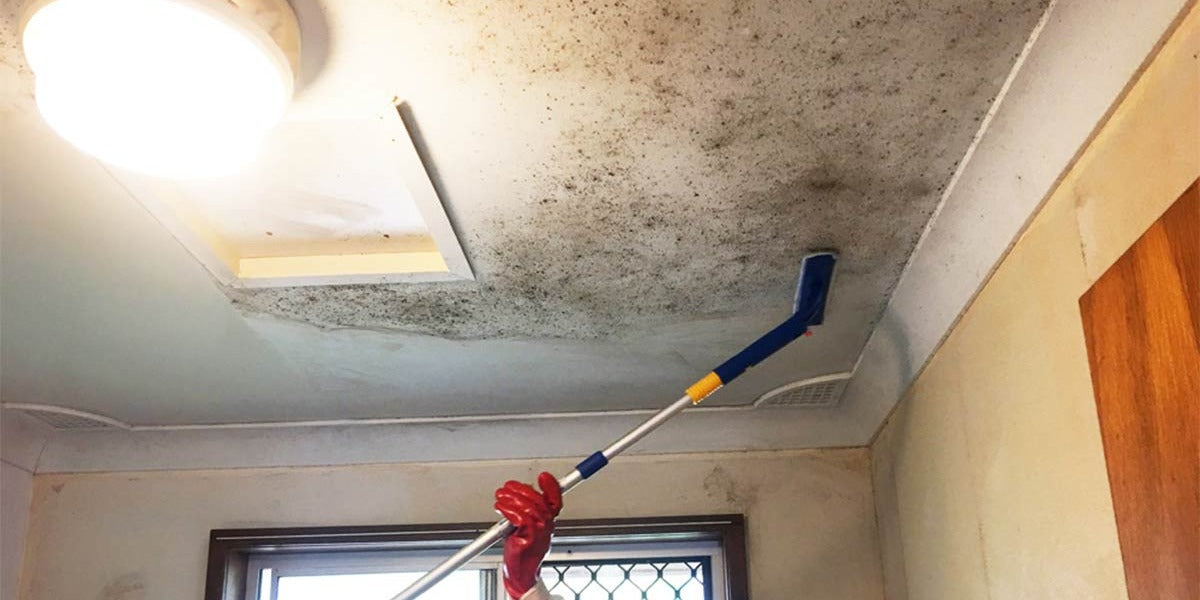
DIY Mold Risks in Cocoa Beach: What Homeowners in Brevard County Should Know
Living in Cocoa Beach comes with incredible perks — ocean views, sea breezes, and a relaxed coastal lifestyle. But coastal living also brings constant moisture, humidity, and salt air, all of which create ideal conditions for mold growth inside homes.
Because mold is so common in Brevard County, many homeowners try to handle mold problems themselves when they first notice them. A little cleaner, some bleach, maybe a coat of paint — and the issue seems solved.
Unfortunately, DIY mold removal often makes things worse.
Across Cocoa Beach, Satellite Beach, Merritt Island, Palm Bay, and Melbourne, we regularly see homes where small mold issues turned into expensive repairs simply because the original problem wasn’t handled correctly.
Understanding the risks of DIY mold cleanup can help homeowners protect their property and avoid repeated mold problems.
Understanding Mold Problems in Coastal Homes
Mold grows when moisture meets organic materials like drywall, wood, dust, carpet, or insulation. And in Brevard County, moisture is never far away.
In Cocoa Beach especially, homes are exposed to:
- High year-round humidity
- Coastal salt air
- Heavy seasonal rainfall
- Tropical storms and hurricanes
- Constant air conditioning use
Even well-maintained homes develop mold when moisture becomes trapped inside walls, under flooring, or in poorly ventilated spaces.
The problem is that mold growth is often hidden long before it becomes visible.
Homeowners typically notice mold only after it has already spread.
Why Mold Problems Are So Common in Brevard County Homes
Homes throughout Brevard County face environmental challenges that make mold almost inevitable if moisture isn’t controlled.
Coastal Humidity
Humidity levels often stay above comfortable indoor levels. If AC systems don’t remove enough moisture, mold can grow quietly in closets, walls, and ceilings.
Storm and Hurricane Moisture
Areas like Cocoa Beach and Cape Canaveral experience heavy rain and wind-driven moisture during storms. Even small roof leaks or minor flooding can leave enough moisture behind to fuel mold growth.
AC Condensation Problems
Air conditioning systems remove moisture, but clogged drain lines or duct leaks allow condensation to build up inside walls and ceilings.
Slab Foundation Homes
Many homes in Palm Bay, Melbourne, and Rockledge sit on slab foundations. Moisture trapped beneath flooring often goes unnoticed until mold odors appear.
Older Coastal Homes
Older homes, especially beachside properties, may have outdated ventilation or hidden moisture damage from past storms.
All of these factors combine to make mold cleanup more complicated than homeowners expect.
Signs Homeowners Usually Notice First
Most homeowners first attempt DIY cleanup when they see visible mold. Common warning signs include:
- Musty or damp odors
- Black, green, or gray spots on walls or ceilings
- Mold around AC vents or windows
- Peeling paint or bubbling drywall
- Warped baseboards or flooring
- Increased indoor allergy-like irritation
Sometimes the only clue is smell. A musty odor in a closet or bedroom often points to hidden mold inside walls.
Unfortunately, cleaning visible mold doesn’t always solve the real issue.
Hidden Causes DIY Cleaning Often Misses
One of the biggest risks of DIY mold removal is focusing only on visible growth.
In reality, mold commonly grows in hidden areas such as:
Behind Walls
Slow plumbing leaks or AC condensation can fuel mold inside walls long before damage appears.
Under Flooring
After small floods or appliance leaks, moisture trapped under laminate or carpet often causes mold beneath the surface.
Attics
Attics in homes across Titusville, Viera, and Cocoa frequently develop mold due to poor ventilation and roof leaks.
Crawl Spaces
Older homes may have crawl spaces that trap moisture and spread mold into living areas.
HVAC Systems
Mold inside air handlers or ductwork can spread spores throughout the home.
If moisture remains in any of these areas, mold quickly returns even after cleaning visible spots.
Why DIY Mold Removal Often Backfires
Many homeowners mean well when attempting to handle mold themselves, but common DIY approaches cause new problems.
Bleach Doesn’t Solve the Problem
Bleach may lighten mold stains, but it does not fully remove mold from porous materials like drywall or wood.
Moisture stays behind, and mold regrows.
Scrubbing Spreads Mold Spores
Scrubbing mold without containment spreads spores into the air and throughout the home.
Painting Over Mold Hides It Temporarily
Paint covers stains but doesn’t remove mold, allowing it to keep growing behind the surface.
Moisture Sources Stay Untreated
Cleaning mold without fixing leaks or humidity problems guarantees recurrence.
Safety Risks
Disturbing mold without proper protection exposes homeowners to airborne spores and contaminated debris.
Many homes we inspect in Cocoa Beach show larger mold problems simply because earlier DIY attempts spread contamination.
How Professional Mold Inspection Helps
Professional inspections focus on finding both mold and its moisture source.
Typical inspection steps include:
Detailed Visual Inspection
Inspectors examine areas prone to moisture, including bathrooms, kitchens, attics, HVAC systems, and walls.
Moisture Detection Tools
Thermal imaging and moisture meters locate damp areas hidden behind surfaces.
Air or Surface Sampling
In certain cases, samples help evaluate mold levels or document conditions.
Root Cause Identification
Most importantly, inspectors determine why mold developed in the first place.
Local specialists, including Brevard Mold Inspections & Removal, tailor inspections to Florida homes and coastal conditions.
How Proper Mold Remediation Works
Proper mold remediation isn’t just cleaning — it’s correcting the environment that allows mold to grow.
Professional remediation generally includes:
Containment Setup
Work areas are isolated so spores don’t spread.
Moisture Correction
Leaks, ventilation problems, or condensation issues are repaired.
Safe Material Removal
Severely affected drywall, carpet, or insulation may need removal.
HEPA Filtration and Cleaning
Air filtration and professional cleaning remove spores and contamination.
Prevention Planning
Steps are recommended to prevent mold from returning.
Skipping any of these steps usually leads to repeat problems.
Preventing Mold Problems in Cocoa Beach Homes
Homeowners can reduce mold risks with simple ongoing maintenance.
Maintain Air Conditioning Systems
Regular servicing keeps humidity under control and prevents condensation problems.
Use Proper Ventilation
Bathroom and kitchen fans should vent moisture outdoors, not into attics.
Address Leaks Immediately
Small plumbing or roof leaks quickly become mold problems.
Check Homes After Storms
Even minor storm damage should be inspected promptly.
Control Indoor Humidity
Keeping humidity below 60% discourages mold growth.
Inspect Vacant Homes Regularly
Vacation or rental homes left unoccupied can develop mold quickly without climate control.
Prevention is always easier than remediation.
Why Local Brevard County Experience Matters
Mold behaves differently in Florida than in drier climates.
Professionals familiar with Brevard County understand:
- Coastal moisture patterns
- Hurricane-related water intrusion
- Slab foundation moisture behavior
- AC system challenges
- Local construction practices
Homes in Cocoa Beach face unique environmental conditions compared to inland communities like Palm Bay or Titusville.
Local experience helps ensure solutions actually work long term.
A Practical Next Step for Homeowners
Discovering mold in your home can feel stressful, but most mold problems are manageable when addressed properly.
If you see mold or notice musty odors in your Cocoa Beach home, the safest next step is understanding the full situation before trying to clean it yourself.
Professional inspections provide clear answers about where mold exists and what corrections are needed.
Brevard Mold Inspections & Removal and other local professionals help homeowners evaluate conditions calmly and choose the best path forward — without panic or pressure.
A simple inspection today can prevent major repairs tomorrow.