
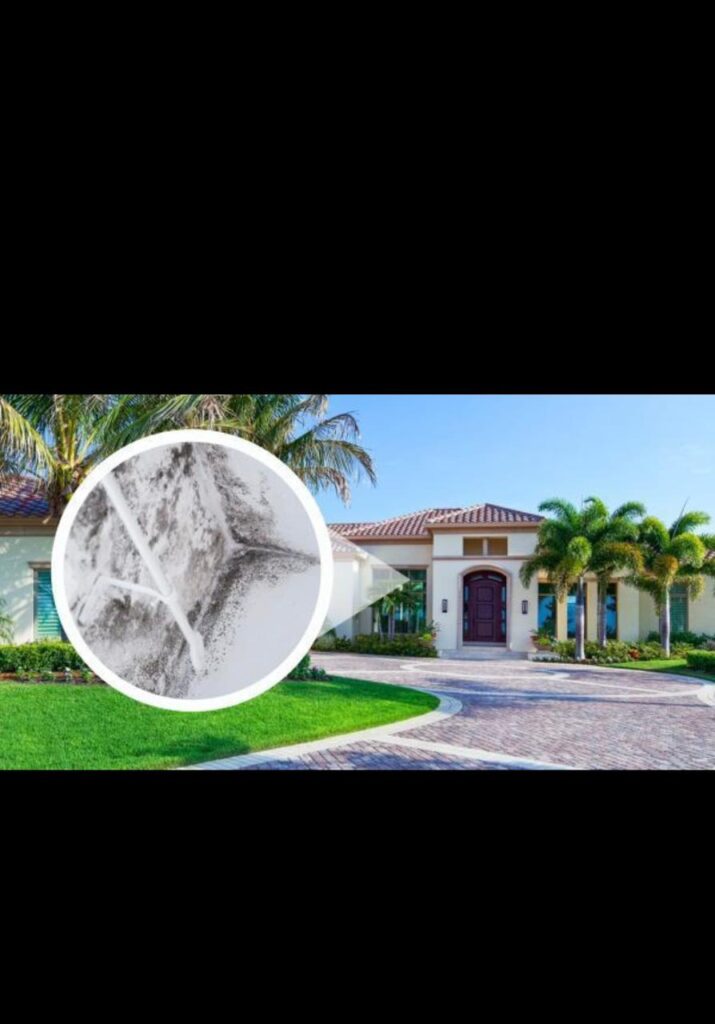
DIY Mold Risks in Cocoa Beach: What Homeowners in Brevard County Should KnowDIY mold cleanup is tempting—especially in Cocoa Beach, where humidity makes mold feel like a routine nuisance. Many homeowners see dark spots in a bathroom or a musty smell near vents and assume a quick scrub or a spray bottle will solve the problem. Unfortunately, DIY mold cleanup is one of the most common reasons mold problems get worse instead of better.In a coastal environment like Cocoa Beach, mold is rarely just a surface issue. Understanding the real risks of DIY mold removal can help homeowners avoid spreading contamination, increasing health exposure, and creating bigger, more expensive problems later.⸻Why DIY Mold Cleanup Is So Common in Cocoa BeachSeveral factors push homeowners toward DIY solutions: • Mold appears frequently due to humidity • Visible mold looks minor at first • Online advice downplays risks • Cleaning products claim “kills mold” • Professional help is delayed to save moneyThe problem isn’t the intention—it’s that mold behaves very differently than most people expect.⸻Mold Is More Than What You Can SeeWhat homeowners see is often just the surface layer.Behind visible mold may be: • Growth inside drywall • Mold on the back of baseboards • Contaminated insulation • Mold inside HVAC systems • Moisture trapped under flooringScrubbing the surface doesn’t remove mold growing underneath—and disturbing it can release spores into the air.⸻How DIY Mold Cleanup Spreads MoldOne of the biggest risks of DIY cleanup is spore dispersal.When mold is scrubbed or sprayed: • Spores become airborne • HVAC systems pull spores into ductwork • Spores settle in other rooms • New mold colonies begin formingThis is why homeowners often see mold “spread” after trying to clean it themselves.⸻Bleach: One of the Biggest DIY MistakesBleach is commonly used—but often makes mold problems worse.Why Bleach Fails • It doesn’t penetrate porous materials • It removes surface color, not mold roots • It adds moisture to drywall and wood • Mold often grows back strongerBleach may make areas look clean temporarily, but it does not eliminate the source.⸻DIY Cleanup and Health RisksDisturbing mold without protection increases exposure.Common health reactions include: • Sneezing or coughing during cleaning • Eye, nose, or throat irritation • Headaches • Asthma flare-ups • Fatigue after cleanupThese symptoms often appear during or shortly after DIY attempts, especially in enclosed spaces like bathrooms or closets.⸻Why Bathrooms and HVAC Mold Are Especially RiskyBathrooms • Steam raises humidity instantly • Poor ventilation traps spores • Mold hides behind tile and drywallScrubbing grout without fixing ventilation allows mold to return quickly.HVAC SystemsDIY HVAC mold cleanup is particularly dangerous because: • Systems circulate spores throughout the home • Mold grows in hidden components • Sprays don’t reach internal contaminationIf odors worsen when AC runs, DIY cleaning usually makes exposure worse.⸻Protective Gear Isn’t EnoughEven with gloves and masks, DIY cleanup has limits.Problems include: • Lack of containment • No air filtration • No moisture detection • No way to verify complete removalWithout containment, spores travel far beyond the cleanup area.⸻Why Mold Keeps Returning After DIY CleanupMold almost always returns when: • Moisture sources aren’t corrected • Hidden mold remains untreated • HVAC systems are involved • Humidity stays above safe levelsRecurring mold is a sign the underlying problem was never resolved.⸻Mold Inspections vs DIY GuessworkProfessional inspections focus on cause, not just appearance.Inspections help identify: • Hidden moisture sources • HVAC involvement • Extent of contamination • Areas that don’t need removalDIY cleanup often skips these steps entirely.⸻When DIY Turns a Small Problem Into a Big OneDIY mold cleanup can unintentionally cause: • Whole-home contamination • Increased remediation costs • Longer health exposure • Damage to building materials • Insurance complicationsWhat could have been a limited repair often becomes a larger project after improper handling.⸻When Professional Help Is the Safer ChoiceProfessional help is recommended if: • Mold keeps returning • Mold covers more than a small area • Musty odors persist • HVAC systems may be involved • Health symptoms appear or worsen • There has been water damage or stormsEarly intervention usually costs less than repeated DIY attempts.⸻Preventing Mold Without Risky DIY CleanupSafe prevention focuses on moisture control, not scrubbing.Smarter Prevention Steps • Keep indoor humidity below 50% • Use exhaust fans properly • Fix leaks immediately • Maintain HVAC systems • Address musty odors earlyStopping moisture prevents mold without disturbing spores.⸻Insurance and DIY Mold CleanupDIY cleanup can complicate insurance claims.Potential issues include: • Altered evidence • Spread contamination • Delayed reportingDocumenting problems before cleanup protects future claim options.⸻Why DIY Mold Cleanup Is Riskier in Coastal HomesCocoa Beach homes face: • Higher baseline humidity • Salt air holding moisture • Slower drying after stormsThese factors allow mold to rebound faster after incomplete cleanup.⸻Final Thoughts for Cocoa Beach HomeownersDIY mold cleanup in Cocoa Beach often feels harmless—but it carries real risks. Mold problems are driven by moisture and airflow, not surface stains. Scrubbing without containment, moisture control, and inspection often spreads mold and increases exposure.When mold is suspected, focusing on humidity control and getting proper guidance early protects your home, your health, and your wallet. In Brevard County’s coastal climate, caution beats quick fixes every time.