
DIY Mold Risks in Cocoa Beach: What Homeowners in Brevard County Should Know
If you live in Cocoa Beach, you’re used to handling things yourself. Storm prep, minor repairs, AC maintenance — homeowners here are hands-on. So when mold shows up on a wall or ceiling, the first instinct is often simple:
“I’ll just clean it.”
In some very minor surface cases, that approach may work. But along Florida’s Space Coast — especially in coastal areas like Cocoa Beach, Cape Canaveral, and Merritt Island — DIY mold cleanup can sometimes make the situation worse.
Not because homeowners aren’t capable.
But because mold in Brevard County usually involves hidden moisture that isn’t obvious at first glance.
Let’s talk about the real risks of DIY mold removal in Cocoa Beach homes and what property owners should understand before reaching for bleach and a scrub brush.
Why Mold Is Different in Coastal Cocoa Beach
Cocoa Beach homes face unique conditions:
- Constant coastal humidity
- Salt air exposure
- Wind-driven rain
- Hurricane season moisture
- Nearly year-round AC operation
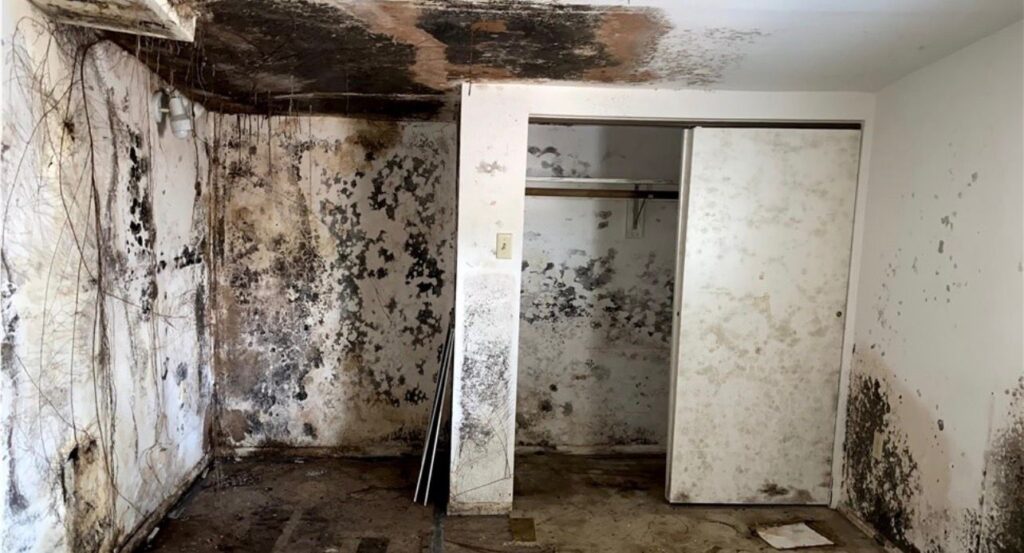
Even if mold appears to be just a small spot on drywall or grout, the moisture that caused it often goes deeper.
Coastal humidity means materials stay damp longer. Slab foundations absorb ground moisture. Attics heat up intensely, creating condensation when temperatures drop.
In short, the visible mold is often just the surface symptom.
What Homeowners Usually Try First
In Cocoa Beach, Rockledge, and Palm Bay, homeowners often attempt:
- Spraying bleach or household cleaners
- Painting over stained drywall
- Replacing a small section of drywall
- Scrubbing grout repeatedly
- Using fans to “dry it out”
The intention makes sense. You see mold. You clean it.
But the underlying moisture problem often remains.
Why Bleach Doesn’t Solve the Problem
Bleach is one of the most common DIY solutions.
Here’s the issue:
Bleach works on non-porous surfaces. But drywall, wood, insulation, and grout are porous materials. Mold roots (hyphae) penetrate beneath the surface.
Bleach may lighten the stain, but it:
- Does not remove embedded growth
- Does not dry materials
- Does not correct humidity
- Does not fix leaks
In Florida’s humid climate, mold often returns within weeks if moisture persists.
We frequently see this in homes across Viera and Titusville where bathroom ceilings were cleaned multiple times without addressing ventilation.
The Risk of Spreading Mold Spores
When mold is disturbed without containment, spores can become airborne.
DIY scrubbing or demolition may:
- Release spores into adjacent rooms
- Spread contamination into HVAC systems
- Increase odor
- Affect other porous materials
In tightly sealed Florida homes with central AC, airborne spores can circulate quickly.
Without proper containment and filtration, cleaning one area can unintentionally impact another.
Hidden Moisture Is the Bigger Concern
In Cocoa Beach homes, mold often connects to hidden moisture issues such as:
- Wind-driven rain behind siding
- Roof flashing gaps
- Slab moisture under flooring
- Duct condensation in attics
- Bathroom fans venting into attic spaces
Surface cleaning doesn’t identify these sources.
In Merritt Island and Satellite Beach properties, we often find mold behind walls long after visible staining was “cleaned.”
The visible mold is rarely the full story.
When DIY Removal Becomes a Bigger Repair
One common scenario in Brevard County:
A homeowner removes a small section of moldy drywall without realizing moisture extends further into the wall cavity.
Once the wall is opened, contamination is more widespread than expected.
Without proper containment and drying, mold spreads during demolition.
The result?
A small, manageable issue becomes a larger remediation project.
This isn’t about fear — it’s about understanding how moisture behaves in Florida homes.
AC Systems and DIY Mold Mistakes
Air conditioning systems in Cocoa Beach run almost year-round.
If mold develops around vents, homeowners often clean the grille and assume it’s resolved.
But mold near vents may indicate:
- Duct condensation
- Clogged drain lines
- Elevated indoor humidity
- Insulation moisture
Cleaning the vent cover doesn’t address internal duct moisture.
In Palm Bay and Melbourne homes, HVAC-related mold often requires moisture evaluation inside attic ductwork.
Why Painting Over Mold Is Risky
Painting over mold may temporarily hide stains.
But it traps moisture inside materials.
When humidity rises — which it regularly does in Brevard County — the mold often resurfaces through paint.
Recurrent ceiling mold in Cocoa Beach bathrooms usually signals ventilation problems.
Cosmetic fixes don’t resolve condensation.
How Professional Mold Inspection Differs
A professional inspection focuses on moisture detection first.
At Brevard Mold Inspections & Removal, evaluations typically include:
- Visual assessment of affected areas
- Moisture meter readings behind surfaces
- Thermal imaging to detect hidden dampness
- Attic and crawl space inspection
- HVAC system evaluation
- Air or surface sampling when appropriate
The goal isn’t simply to remove mold — it’s to identify why it formed.
That moisture-focused approach prevents recurrence.
When DIY May Be Reasonable
Not every mold spot requires professional remediation.
Very small, surface-level mildew on non-porous materials — such as tile grout — can sometimes be cleaned safely if:
- The area is under 10 square feet
- There is no underlying leak
- Ventilation is adequate
- Materials are non-porous
However, when mold affects drywall, insulation, subflooring, or attic framing, professional evaluation is usually wise.
In Florida’s climate, moisture often travels beyond what’s visible.
Preventing Mold in Coastal Cocoa Beach Homes
Prevention is always more effective than repair.
Here are practical steps for Brevard County homeowners:
- Keep indoor humidity below 60%
- Service AC systems annually
- Clear AC drain lines regularly
- Ensure bathroom fans vent outdoors
- Inspect roof flashing before hurricane season
- Monitor attic ventilation
- Address leaks immediately
- Use dehumidifiers during peak summer months
Coastal properties in Cape Canaveral and Cocoa Beach may require additional humidity control during extended rainy periods.
Moisture management is the key.
Why Local Experience Matters
Mold in Cocoa Beach behaves differently than mold in dry inland states.
Here, we deal with:
- Salt air exposure
- Wind-driven coastal rain
- Slab foundations
- High water tables
- Continuous AC operation
- Elevated year-round humidity
Homes in Rockledge differ from oceanfront condos in Cape Canaveral or newer builds in Viera.
Understanding those differences helps determine whether DIY cleaning is sufficient — or whether deeper moisture evaluation is needed.
Local knowledge makes a measurable difference.
A Calm, Practical Perspective
If you’ve discovered mold in your Cocoa Beach home and are considering handling it yourself, take a moment to evaluate the full picture.
Ask:
- What caused the moisture?
- Has the area fully dried?
- Could it extend behind walls or under flooring?
- Has this happened before?
Many small issues are manageable. But when moisture is hidden or recurring, a professional inspection provides clarity and prevents larger repairs later.
Brevard Mold Inspections & Removal offers local experience tailored specifically to Brevard County homes — from Titusville to Palm Bay to Merritt Island and beyond.
Living on the coast means managing moisture wisely. Understanding the risks of DIY mold removal helps you make informed, confident decisions about protecting your home.