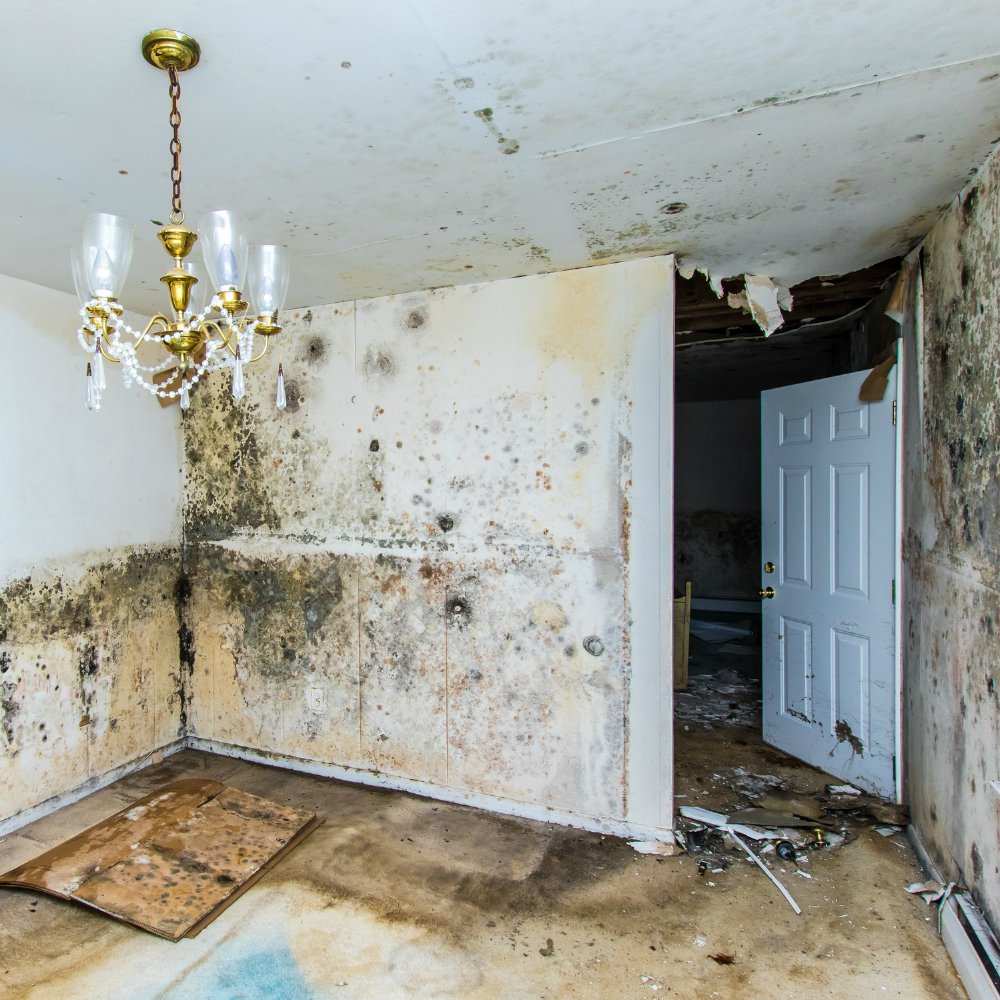
DIY Mold Risks in Cocoa Beach: What Homeowners in Brevard County Should Know
In Cocoa Beach, it’s very common for homeowners to spot a small patch of mold and think, “I can handle this myself.” With warm coastal weather, frequent humidity, and easy access to cleaning products, DIY mold cleanup can feel like a quick, cost-saving solution. Unfortunately, in Brevard County’s climate, DIY mold removal often creates bigger problems than it solves.
DIY mold risks aren’t about homeowners being careless. They’re about how mold behaves in humid, coastal environments like Cocoa Beach—and how easily well-intentioned cleanup can make conditions worse. Understanding these risks helps homeowners avoid repeat growth, hidden damage, and unnecessary stress.
Why DIY Mold Is Especially Risky in Cocoa Beach
Cocoa Beach homes are exposed to constant moisture from ocean air, wind-driven rain, storms, and year-round air conditioning. Mold doesn’t need dramatic flooding to thrive here—just lingering moisture and time.
When homeowners attempt DIY mold cleanup without addressing moisture sources, mold often returns quickly. In many cases, it comes back more widespread than before because spores were disturbed and moisture was never corrected.
Local risk factors include:
- High coastal humidity that slows drying
- Salt air affecting building materials
- Homes kept closed and air-conditioned most of the year
- Frequent condensation around windows, vents, and AC systems
These conditions make surface-level cleanup unreliable at best.
What Most DIY Mold Cleanup Actually Does
DIY mold cleanup usually focuses on what’s visible—dark spots on walls, grout, ceilings, or baseboards. Household cleaners, bleach, or store-bought sprays may remove stains temporarily, giving the impression the problem is gone.
What DIY cleanup typically does not do:
- Remove mold roots embedded in porous materials
- Identify where moisture is coming from
- Address hidden mold behind walls or under floors
- Prevent spores from spreading to other areas
In Cocoa Beach homes, mold rarely grows only on the surface. Visible mold is often just the symptom.
Why Bleach Is One of the Biggest DIY Mistakes
Bleach is one of the most commonly used DIY mold treatments—and one of the least effective for Florida homes.
Bleach may:
- Lighten stains on non-porous surfaces
But bleach does not:
- Penetrate drywall, wood, or insulation
- Eliminate moisture inside materials
- Prevent regrowth in humid environments
In fact, bleach contains water. On porous surfaces, it can actually add moisture, encouraging mold to return once the surface dries.
Hidden Mold: The Biggest DIY Blind Spot
One of the most serious DIY mold risks in Cocoa Beach is hidden growth. Mold often develops where homeowners can’t see it.
Common hidden locations include:
- Behind bathroom or kitchen walls
- Beneath laminate, vinyl, or tile flooring
- Inside attic insulation after roof leaks
- Around HVAC air handlers and ductwork
- Behind cabinets or vanities
DIY cleaning never addresses these areas, which means mold can continue growing even after visible spots are removed.
How DIY Cleaning Can Spread Mold
Scrubbing mold without containment can release spores into the air. In homes with central air systems—common in Cocoa Beach—those spores can circulate throughout the house.
DIY cleanup can unintentionally:
- Spread mold to new rooms
- Contaminate HVAC systems
- Increase musty odors
- Turn a localized issue into a whole-house problem
What started as a small patch in a bathroom or closet can quickly become a much larger issue.
Moisture: The Real Problem DIY Fixes Miss
Mold cannot grow without moisture. In Cocoa Beach, moisture sources are often subtle and ongoing.
Common moisture contributors include:
- AC condensation and clogged drain lines
- Wind-driven rain around windows and doors
- Poor bathroom ventilation
- Humid outdoor air entering the home
- Small plumbing leaks inside walls
DIY mold cleanup rarely addresses these sources. Without moisture control, mold almost always comes back.
DIY Mold and Structural Damage Risks
Mold doesn’t just affect surfaces—it feeds on building materials. Over time, untreated moisture and mold can weaken drywall, wood framing, insulation, and flooring.
DIY approaches may hide early warning signs while damage continues underneath. By the time mold becomes visible again, repairs may be more extensive than they would have been with early professional intervention.
When DIY Mold Becomes a Bigger Financial Problem
Many Cocoa Beach homeowners choose DIY mold cleanup to save money. Unfortunately, repeated cleanup attempts often lead to higher costs later.
Common outcomes include:
- Recurring mold requiring larger remediation
- Damage to drywall or flooring
- Odors that are difficult to eliminate
- Mold spreading into HVAC systems
What starts as a small expense can turn into a larger, more disruptive repair if underlying issues aren’t addressed.
Why DIY Mold Is Especially Risky in Coastal Homes
Cocoa Beach’s coastal environment creates challenges not found in drier regions.
Coastal-specific risks include:
- Slower drying due to humidity
- Salt air degrading seals and materials
- Wind-driven rain entering hidden gaps
- Higher baseline moisture indoors
These conditions make professional assessment especially important when mold appears.
When DIY Mold Cleanup Might Be Reasonable
There are limited situations where very minor surface mold on non-porous materials—such as tile or glass—can be cleaned safely if moisture is controlled and the area dries completely.
However, DIY cleanup is not recommended when:
- Mold returns quickly after cleaning
- Mold appears on drywall, wood, or ceilings
- There is a history of leaks or water damage
- Odors persist even after cleaning
- Mold appears near HVAC systems
These situations almost always require deeper evaluation.
How Professional Mold Inspections Reduce DIY Risks
A professional mold inspection focuses on understanding why mold is present, not just where it’s visible.
An inspection typically looks at:
- Moisture sources
- Hidden mold-prone areas
- HVAC systems and ventilation
- Attics, walls, and flooring
- Indoor humidity conditions
This approach helps prevent repeated mold problems and avoids unnecessary trial-and-error cleanup.
Brevard Mold Inspections & Removal helps Cocoa Beach homeowners identify whether a mold issue is truly minor—or a sign of something deeper—before DIY efforts make the situation worse.
Mold Removal vs Mold Remediation: Why DIY Falls Short
DIY efforts usually focus on mold removal—wiping or cleaning visible growth. Mold remediation goes further by addressing:
- Moisture sources
- Containment to prevent spread
- Proper removal of affected materials
- Prevention of future growth
In Cocoa Beach’s humid climate, remediation is often the only lasting solution when mold appears indoors.
Preventing Mold Without Risky DIY Cleanup
The safest way to reduce mold risk is prevention, not aggressive cleaning.
Helpful prevention steps include:
- Keeping AC systems well-maintained
- Using bathroom exhaust fans consistently
- Checking for leaks after storms
- Monitoring indoor humidity
- Addressing condensation early
These steps reduce the chance mold will develop in the first place.
Why Local Experience in Cocoa Beach Matters
DIY advice found online often comes from dry climates where mold behaves differently. Cocoa Beach homes face unique moisture challenges that require local understanding.
Professionals familiar with Brevard County know:
- How fast mold grows in coastal humidity
- Where moisture commonly hides
- How HVAC systems contribute to mold
- How storms affect building materials
Brevard Mold Inspections & Removal brings that local, coastal experience into every evaluation, helping homeowners avoid DIY mistakes that lead to recurring problems.
A Smarter, Calmer Approach for Homeowners
DIY mold cleanup often feels proactive—but in Cocoa Beach, it’s one of the most common reasons mold problems keep returning. The safest approach is understanding moisture first, then deciding what level of response is appropriate.
If you’re seeing mold repeatedly, noticing musty odors, or dealing with moisture that never seems to dry out, a professional inspection can provide clarity. Knowing when not to DIY is just as important as knowing when to act.