
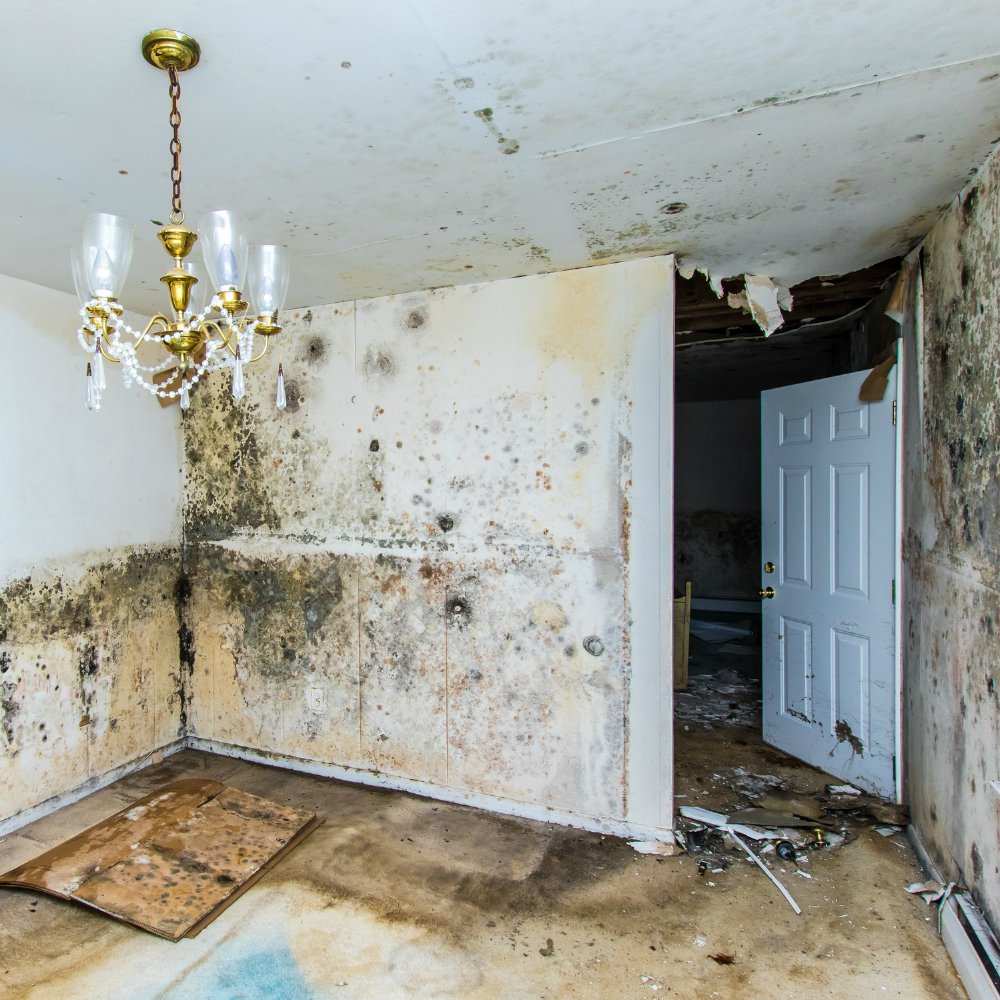
DIY Mold Risks in Cocoa Beach: What Homeowners in Brevard County Should Know
DIY mold cleanup is one of the most common mistakes homeowners make in Cocoa Beach. When mold shows up on a wall, ceiling, or near an AC vent, the natural reaction is to grab bleach, spray it down, scrub hard, and hope the problem is gone. In Brevard County’s coastal climate, that approach often backfires.
Cocoa Beach homes deal with constant humidity, salt air, storms, and year-round air conditioning. These conditions allow mold to grow deeper and faster than many homeowners realize. DIY mold efforts usually focus on what’s visible, while the real problem is hidden moisture and unseen growth. Understanding why DIY mold cleanup is risky, how it can make problems worse, and when professional help makes sense can save homeowners time, money, and frustration.
Why DIY Mold Cleanup Is So Common
Most homeowners try DIY mold cleanup because it seems simple. Mold looks like a surface problem, and cleaning products promise quick results.
In Cocoa Beach, mold often appears in bathrooms, on ceilings, around vents, or near windows. These areas feel like cleaning tasks rather than building issues. Unfortunately, in Florida homes, mold rarely stays on the surface.
DIY cleanup feels proactive, but without understanding moisture and airflow, it usually treats symptoms rather than causes.
The Biggest Risk: Disturbing Mold Without Containment
One of the most serious DIY risks is disturbing mold without containment. Scrubbing, wiping, or spraying mold releases microscopic spores into the air.
In Cocoa Beach homes, air movement spreads those spores quickly. HVAC systems pull air from rooms and redistribute it throughout the house. What started as a small patch of mold can become a whole-home issue after aggressive cleaning.
Once spores spread, new mold growth can appear in areas that were previously unaffected.
Why Bleach and Store-Bought Cleaners Often Fail
Bleach is one of the most commonly used DIY mold products — and one of the least effective for porous materials.
Drywall, wood, grout backing, insulation, and framing absorb moisture. Bleach only affects the surface and does not penetrate deep enough to kill mold roots inside materials.
Even worse, bleach contains water. On porous surfaces, that water soaks in and can actually feed mold growth beneath the surface, causing it to return darker and more widespread.
This is why many Cocoa Beach homeowners see mold come back quickly after cleaning.
Hidden Mold Is the Real Problem
In Florida homes, visible mold is often the smallest part of the issue. Mold frequently grows behind drywall, above ceilings, under flooring, and inside HVAC systems.
DIY cleanup almost never addresses these hidden areas. Homeowners may clean a wall repeatedly while mold continues growing behind it due to a roof leak, humidity issue, or AC condensation.
In Cocoa Beach, high humidity alone can support hidden mold growth even when there’s no obvious leak.
DIY Cleanup Can Hide Bigger Moisture Problems
Another risk of DIY mold cleanup is masking the real issue. When mold is scrubbed away, the underlying moisture problem often remains unnoticed.
Roof leaks, plumbing leaks, window intrusion, attic ventilation problems, and AC drain issues continue feeding moisture into the home. Mold disappears briefly, then returns.
By the time homeowners realize the problem is bigger, mold may be more widespread and remediation more involved.
Health and Safety Risks of DIY Mold Removal
DIY mold cleanup often means close contact with mold without proper protection. Scrubbing overhead surfaces, ceilings, or confined spaces like bathrooms and closets increases exposure.
Without proper filtration and containment, spores stay airborne longer and spread throughout the living space. This can make indoor conditions feel worse after cleaning rather than better.
DIY efforts also increase the risk of damaging drywall, insulation, or finishes, leading to unnecessary repairs.
Why DIY Mold Cleanup Often Spreads the Problem
Vacuuming mold with standard household vacuums can blow spores back into the air. Wiping mold with damp cloths can smear spores across surfaces.
Fans used during cleaning can push spores into other rooms. In Cocoa Beach homes with central air, HVAC systems amplify this spread.
What started as a localized issue can quickly become a whole-house concern due to well-intended but improper cleanup.
Mold Is a Moisture Problem First
Mold cannot grow without moisture. DIY cleanup rarely addresses moisture sources.
Common moisture issues in Cocoa Beach homes include:
- AC condensation and clogged drain lines
- Poor bathroom ventilation
- Roof leaks after storms
- Window and door intrusion
- High indoor humidity from coastal air
Until moisture is identified and corrected, mold will continue to return no matter how often it’s cleaned.
When DIY Mold Cleanup Is Especially Risky
DIY cleanup is particularly risky when:
- Mold keeps coming back after cleaning
- Mold is on ceilings, near vents, or in multiple rooms
- There is a history of water damage or storms
- Musty odors persist even after cleaning
- Mold appears near HVAC systems
These situations almost always involve hidden growth or moisture problems that require professional evaluation.
What Professional Mold Inspection Does Differently
A professional mold inspection looks beyond visible mold. The focus is on moisture detection and building conditions.
Inspectors check walls, ceilings, attics, HVAC systems, and areas with past water damage. Moisture meters and thermal imaging help locate damp materials behind surfaces.
When appropriate, air or surface sampling may be used to support findings. The goal is understanding the scope of the problem, not just cleaning what can be seen.
Proper Mold Remediation vs DIY Cleanup
Professional mold remediation uses containment to prevent spore spread. Mold-affected materials are evaluated to determine whether they can be cleaned or need removal.
Just as important, moisture sources are corrected. This may include ventilation improvements, AC repairs, plumbing fixes, or humidity control.
Brevard Mold Inspections & Removal approaches mold issues with long-term prevention in mind, rather than short-term cosmetic fixes.
How DIY Cleanup Can Increase Costs Long-Term
DIY cleanup often delays proper action. Mold spreads quietly while homeowners continue cleaning the same areas.
By the time professional help is called, mold may have affected walls, insulation, flooring, or HVAC systems. What could have been a limited repair becomes a larger project.
In Cocoa Beach homes, early professional assessment often reduces overall cost and disruption.
Preventing Mold Without Risky DIY Methods
Prevention focuses on moisture control, not aggressive cleaning.
Using bathroom exhaust fans, maintaining AC systems, fixing leaks promptly, and monitoring indoor humidity all help reduce mold risk.
After storms, attics and ceilings should be checked even if no damage is visible. Regular inspections help catch moisture early.
Cleaning visible dust and mildew is fine, but recurring or spreading mold should always be investigated further.
Why Local Experience in Brevard County Matters
DIY mold advice found online often comes from dry climates and doesn’t apply to coastal Florida.
Cocoa Beach homes face salt air, constant humidity, slab foundations, and heavy AC use. Mold behaves differently here.
Local experience means understanding where mold typically hides in Brevard County homes and how to address it correctly the first time.
A Calm, Practical Takeaway
DIY mold cleanup in Cocoa Beach often creates more problems than it solves. While it may improve appearance temporarily, it rarely addresses hidden growth or moisture conditions.
If mold keeps returning, odors persist, or the home feels damp despite cleaning, it’s time to look deeper. Understanding the cause is far more effective than repeated scrubbing.
Homeowners across Brevard County benefit from early assessment and moisture-focused solutions. Brevard Mold Inspections & Removal helps homeowners identify mold risks, understand what’s really happening behind the walls, and take practical steps toward long-term protection.
When mold is handled correctly, homeowners avoid the cycle of repeated cleanup and ongoing frustration.