
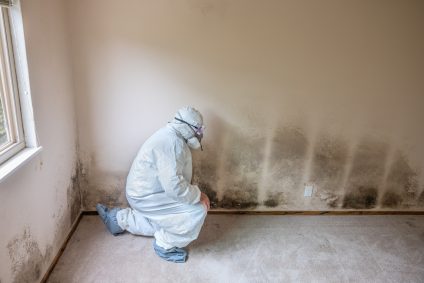
DIY Mold Risks in Viera: What Homeowners in Brevard County Should Know
When mold shows up inside a home, many Viera homeowners naturally want to handle the problem themselves. After all, mold often starts as a small patch in a bathroom corner, near an AC vent, or along a ceiling stain after a leak. It seems like something that can be wiped away with cleaner and forgotten.
But in Brevard County’s humid climate, mold problems are rarely as simple as they look. What appears to be a small surface issue is often part of a larger hidden moisture problem. And attempts to clean mold without addressing the underlying cause frequently make the situation worse.
Across Viera and surrounding communities like Rockledge, Melbourne, Palm Bay, Cocoa, Merritt Island, Titusville, Satellite Beach, and Cape Canaveral, professionals regularly encounter homes where well-intentioned DIY cleanup actually allowed mold to spread further.
Understanding the risks of DIY mold removal helps homeowners make safer decisions and protect both their homes and indoor comfort.
Why Homeowners Try DIY Mold Removal
In many cases, homeowners try to clean mold themselves because the problem appears small or manageable.
Common situations include:
• Small mold spots on bathroom ceilings
• Mold around windows or vents
• Minor staining after plumbing leaks
• Surface mold under sinks
• Small patches on drywall after storms
It’s understandable to want a quick solution, especially if mold seems limited to one area. However, mold growth indoors almost always points to ongoing moisture, not just surface contamination.
Cleaning the visible mold without solving moisture issues often leads to mold returning.
Why Mold Problems Develop Easily in Brevard County
Homes throughout Brevard County face moisture challenges year-round.
High Humidity Levels
Humidity remains elevated most of the year, making it harder for damp materials to dry.
Heavy Rainfall and Storms
Summer storms and hurricanes frequently affect Viera and surrounding communities, allowing moisture to enter homes.
AC System Dependence
Air conditioning systems remove moisture, but clogged condensate lines or system issues often cause hidden leaks.
Slab Foundation Construction
Most homes sit on slab foundations, which trap moisture when water intrusion occurs.
Rapid Growth of New Homes
Viera’s newer communities sometimes experience ventilation or drainage adjustments after construction.
These conditions allow mold to develop quickly if moisture is not controlled.
Signs Mold May Be Worse Than It Appears
One of the biggest DIY risks is assuming mold is limited to what you see.
Common signs mold may be spreading behind surfaces include:
• Persistent musty smells
• Mold returning after cleaning
• Stains spreading on ceilings or walls
• Peeling paint or bubbling drywall
• Warped flooring or baseboards
• Damp areas that never fully dry
Often, visible mold represents only a small portion of a larger hidden problem.
Hidden Mold Growth Most Homeowners Miss
DIY cleaning typically focuses on visible surfaces, but mold frequently grows in hidden areas.
Behind Drywall
Leaks allow water to soak insulation and framing inside walls.
Under Flooring
Water from plumbing leaks or flooding remains trapped beneath flooring materials.
Inside HVAC Systems
Moisture inside ducts or air handlers spreads mold spores through the home.
Attics
Roof leaks or ventilation problems often lead to mold growth overhead.
Crawl Spaces
Ground moisture beneath homes commonly leads to hidden mold contamination.
Professional inspections often reveal contamination extending far beyond what homeowners cleaned.
Why DIY Mold Removal Often Makes Things Worse
While small cleaning efforts may seem harmless, certain actions increase contamination risks.
Common DIY mistakes include:
Using Bleach on Mold
Bleach only cleans surface discoloration and does not penetrate porous materials like drywall or wood.
Running Fans Without Containment
Fans can spread mold spores throughout the home, contaminating new areas.
Removing Materials Without Protection
Disturbing mold releases spores into the air, increasing exposure indoors.
Painting Over Mold
Painting hides mold temporarily but does not eliminate moisture or contamination.
Ignoring Moisture Sources
Without correcting leaks or humidity problems, mold almost always returns.
In many homes, DIY attempts result in mold spreading into previously unaffected rooms.
Health and Comfort Concerns from Improper Cleanup
While reactions vary between individuals, homeowners sometimes notice discomfort when mold problems worsen indoors.
People may report:
• Increased indoor stuffiness
• Persistent odors
• Irritation indoors that improves outside
• Difficulty keeping rooms dry
Improper cleanup can allow mold spores to circulate through HVAC systems, affecting air quality throughout the home.
Addressing contamination correctly helps restore indoor comfort.
How Professional Mold Inspection Helps
Before cleanup begins, professionals determine the full scope of contamination and identify moisture sources.
A professional inspection usually includes:
Visual Assessment
Inspectors examine common moisture areas such as attics, walls, and HVAC systems.
Moisture Detection
Special tools locate moisture hidden behind surfaces.
Ventilation Evaluation
Inspectors assess airflow and humidity control conditions.
Air or Surface Sampling (When Needed)
Testing may help determine whether indoor mold levels are elevated.
Companies like Brevard Mold Inspections & Removal regularly inspect Viera homes where mold problems returned after DIY attempts.
How Professional Mold Remediation Differs from DIY Cleanup
Professional remediation focuses on both safe mold removal and moisture correction.
Typical remediation includes:
Containment Setup
Affected areas are sealed to prevent spores from spreading.
Air Filtration
HEPA filtration systems capture airborne spores during cleanup.
Safe Material Removal
Contaminated materials are removed carefully when needed.
Cleaning Structural Materials
Remaining surfaces are cleaned and treated safely.
Moisture Correction
Leaks or humidity issues are repaired.
Final Cleaning
Remaining spores and debris are removed before restoration.
Proper remediation prevents mold from quickly returning.
When DIY Cleaning May Be Safe
Small surface mold areas, such as minor mildew on shower grout, can often be cleaned safely when moisture problems are addressed at the same time.
DIY cleaning may be reasonable when:
• Mold area is very small and localized
• No water damage occurred behind surfaces
• Moisture source has been corrected
• Proper ventilation is used
However, recurring mold usually indicates deeper moisture issues.
Preventing Mold Problems in Viera Homes
Prevention is always easier than cleanup.
Homeowners can reduce risks by:
• Maintaining AC systems regularly
• Cleaning condensate drain lines
• Repairing leaks immediately
• Using exhaust fans in bathrooms and kitchens
• Using dehumidifiers when needed
• Inspecting homes after storms
• Checking under sinks and appliances regularly
• Ensuring attic ventilation works properly
Small maintenance steps often prevent larger mold problems.
Why Local Experience Matters
Mold behaves differently in Florida homes compared to drier climates. Local professionals understand how Brevard County conditions affect moisture.
Homes across Viera, Rockledge, Melbourne, Palm Bay, Merritt Island, and Cocoa share common challenges:
• Coastal humidity exposure
• Hurricane intrusion risks
• Slab foundation moisture retention
• Attic heat and condensation issues
• Heavy AC usage
Local knowledge helps identify and solve mold problems effectively.
Brevard Mold Inspections & Removal works throughout Brevard County helping homeowners address mold concerns safely while correcting moisture sources.
A Calm Next Step for Viera Homeowners
If mold has returned after cleaning or if odors persist despite DIY efforts, a professional inspection can help determine whether hidden moisture remains.
Many mold issues remain manageable when addressed early. Professional guidance helps homeowners understand what is happening and what steps, if any, may be needed next.
Addressing moisture properly protects both the home and long-term indoor comfort.