
DIY Mold Risks in Viera: What Homeowners in Brevard County Should Know
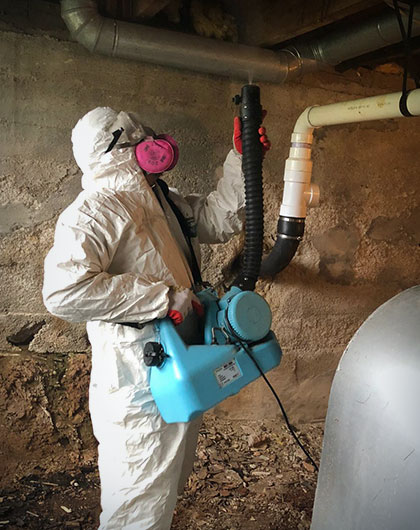
DIY projects save money in many parts of a home—but mold removal isn’t always one of them. In Viera homes, one of the most common inspection findings is mold returning after a homeowner cleaned it themselves. The effort was real, but the results didn’t last.
I’ve inspected homes where the visible mold looked completely gone, yet testing still showed elevated mold levels in the air. Ever wonder why mold comes back so quickly after cleaning? Usually, the real problem sits behind surfaces or inside materials that never got addressed.
Let’s take a realistic look at the risks of DIY mold removal and what homeowners should understand before trying to handle mold on their own.
Why Mold Cleaning Isn’t the Same as Mold Removal
Cleaning removes what you can see. Mold removal addresses what you can’t see.
When mold grows on porous materials like drywall, insulation, or wood, roots can extend beneath the surface. Scrubbing or spraying cleaners often removes the visible portion while leaving growth inside the material.
This often leads to:
- Mold returning in the same location
- Growth spreading behind walls
- Continued musty odors
Rhetorical question time: if the roots remain inside the material, how long would it take for mold to reappear? Usually not long.
How DIY Cleaning Can Spread Mold
Mold releases spores when disturbed. Scrubbing, brushing, or sanding moldy surfaces can send spores into the air, allowing them to settle in new areas.
During inspections, we often see mold spreading after:
- Dry scrubbing without containment
- Using fans to dry moldy areas
- Removing materials without sealing the area
Without containment and air filtration, spores travel easily through the home.
IMO, spreading mold accidentally is one of the biggest risks of DIY cleanup.
Hidden Mold Is Often Missed
One of the most common reasons DIY efforts fail is that mold is rarely limited to the visible area. Moisture often affects materials behind walls, under flooring, or inside HVAC systems.
Homeowners may clean:
- A stained drywall section
- Bathroom caulking or grout
- A visible patch on a ceiling
But inspections later reveal:
- Mold behind drywall
- Damp insulation
- Contaminated framing
The visible spot often represents only part of the problem.
Health and Safety Risks During DIY Mold Removal
Disturbing mold without proper protection increases exposure to airborne spores. Professional remediation often includes protective equipment and air filtration to reduce exposure.
Without these precautions, homeowners may experience:
- Irritated eyes or throat
- Coughing or sneezing
- Headaches or fatigue
FYI, symptoms often increase when mold is disturbed because spore levels temporarily rise.
Even small mold areas can release large numbers of spores when cleaned improperly.
The Role of Moisture in Mold Returning
Cleaning mold doesn’t remove the moisture source that caused it. If humidity, condensation, or leaks continue, mold often returns—even after thorough cleaning.
Common moisture sources in Viera homes include:
- AC condensation
- Bathroom humidity
- Minor plumbing leaks
- Poor ventilation
Ever notice how mold often reappears in the same spot? That usually means moisture never left.
Why HVAC Systems Complicate DIY Mold Cleanup
When mold reaches HVAC systems, DIY cleaning becomes especially difficult. Mold inside ducts or air handlers can circulate spores throughout the home, even if visible mold is removed elsewhere.
Signs HVAC systems may be involved include:
- Odors when the AC starts
- Mold appearing in multiple rooms
- Persistent musty smells
In these cases, cleaning visible surfaces alone rarely solves the problem.
When DIY Cleaning May Be Reasonable
Small surface mold in limited areas—such as minor growth on non-porous surfaces—can sometimes be cleaned safely when moisture sources are addressed.
However, larger or recurring mold problems usually require:
- Moisture detection
- Inspection of hidden areas
- Proper containment and filtration
Knowing the difference helps homeowners decide when professional help becomes necessary.
The Importance of Mold Inspection and Testing
Inspection helps identify:
- The source of moisture
- The extent of mold growth
- Areas that may be hidden
Testing may help determine whether airborne mold levels remain elevated after cleanup attempts.
Inspection answers where mold is. Testing helps determine how much mold is present in the air.
Together, they guide the most effective solution.
Mold Removal and Remediation After DIY Attempts
When mold returns after DIY cleaning, remediation often involves:
- Removing contaminated materials
- Cleaning and treating structural surfaces
- Correcting moisture sources
- Improving ventilation
Containment and air filtration may also be necessary to prevent spores from spreading.
The goal isn’t just to remove mold—it’s to create conditions where mold can’t grow again.
Preventing Mold in the First Place
Preventing mold often requires less effort than removing it. Homeowners in Viera can reduce risk by:
- Maintaining HVAC systems regularly
- Repairing leaks promptly
- Using exhaust fans in bathrooms and kitchens
- Monitoring indoor humidity levels
- Allowing airflow in closets and storage areas
These steps help control moisture, which is the key factor behind mold growth.
Ever notice how homes with balanced humidity rarely develop musty odors? Moisture control makes the biggest difference.
Why Early Action Saves Money and Stress
One of the most consistent lessons from inspections is that early action prevents larger remediation projects later.
When mold problems are addressed early:
- Cleaning remains simpler
- Structural materials stay intact
- Costs remain lower
Waiting allows mold to spread into hidden areas, increasing both damage and repair time.
Maintenance almost always costs less than restoration.
Final Thoughts
DIY mold cleanup in Viera homes sometimes works for very small, surface-level growth, but larger or recurring mold problems often require inspection and remediation. Mold grows beneath surfaces and spreads through the air, which makes it more complex than many homeowners expect.
Understanding the risks, addressing moisture quickly, and seeking inspection when mold returns helps homeowners avoid repeated cleanup and long-term damage.