
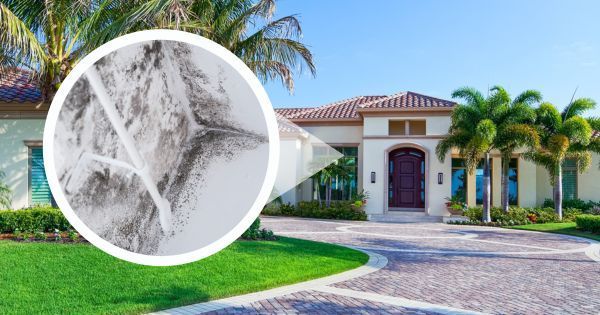
DIY Mold Risks in West Melbourne: What Homeowners in Brevard County Should Know
For homeowners in West Melbourne, discovering mold often triggers an immediate urge to fix the problem fast. A dark spot on the wall, a musty smell in a bathroom, or mold around an AC vent can feel like something that just needs a good cleaning. In many cases, homeowners reach for bleach, sprays, or online “DIY mold removal” advice.
In Brevard County’s humid climate, however, do-it-yourself mold cleanup frequently creates bigger problems than it solves. What looks like a simple surface issue is often connected to hidden moisture, and cleaning without understanding the full picture can allow mold to spread, return, or worsen over time.
Understanding the real risks of DIY mold cleanup helps West Melbourne homeowners avoid costly mistakes and protect their homes.
Why DIY Mold Cleanup Is So Common
DIY mold cleanup feels logical.
Mold is often first noticed on visible surfaces like drywall, ceilings, or tile. Hardware stores sell products labeled for mold, and online videos make it seem like a straightforward weekend project.
In West Melbourne, where humidity is a constant factor, many homeowners assume mold is just part of Florida living and something that needs to be cleaned occasionally. Unfortunately, visible mold is rarely the full story.
Mold Is Usually More Than a Surface Problem
One of the biggest risks of DIY mold cleanup is assuming mold only exists where you can see it.
In Brevard County homes, mold often grows inside materials, not just on them. Drywall, wood framing, insulation, and flooring are porous. When moisture gets in, mold can develop beneath the surface long before it becomes visible.
Scrubbing a wall or ceiling may remove staining, but mold inside the material remains active. In West Melbourne’s humid environment, that hidden mold can continue growing and reappear—sometimes in a larger area than before.
The Bleach Myth and Why It Backfires
Bleach is one of the most commonly used DIY mold cleaners—and one of the most misunderstood.
While bleach can lighten mold stains on non-porous surfaces, it does not penetrate porous materials like drywall, wood, or grout. The water content in bleach can actually soak into these materials, feeding mold growth below the surface.
In Florida’s climate, adding moisture without fixing the source often accelerates the problem. Homeowners clean, see improvement briefly, and then wonder why the mold keeps coming back.
How DIY Cleanup Can Spread Mold
DIY mold removal can unintentionally spread mold throughout the home.
Scrubbing, brushing, or wiping mold releases spores into the air. Without containment, those spores can settle in other rooms, closets, or inside HVAC systems.
In homes with central air conditioning—which run most of the year in West Melbourne—disturbed mold spores can be circulated throughout the house. What started as a small, localized issue can turn into multiple problem areas weeks later.
This is one of the most common ways DIY cleanup makes mold problems worse.
Hidden Moisture Sources DIY Methods Miss
Another major risk of DIY mold cleanup is missing the moisture source.
Mold does not grow without moisture. In West Melbourne homes, common hidden moisture sources include:
- Slow plumbing leaks behind walls
- Roof leaks after heavy rain
- AC condensation problems
- Moisture trapped under flooring
- Poor bathroom or attic ventilation
DIY cleanup focuses on what’s visible, not on why mold formed. As long as moisture remains, mold will continue to grow—no matter how often it’s cleaned.
Health and Safety Concerns With DIY Mold Removal
DIY mold cleanup also carries personal safety risks.
Disturbing mold can release particles into the air. Some homeowners notice irritation or discomfort during or after cleaning, especially in enclosed areas like bathrooms, closets, or attics.
Without proper containment and protective equipment, exposure risk increases. Attics and crawl spaces are especially risky environments for DIY cleanup due to limited ventilation and extreme temperatures.
Avoiding unnecessary exposure is one reason professional handling is often recommended for anything beyond very small surface issues.
Structural Damage That DIY Cleanup Overlooks
Mold is often a symptom of moisture damage, not just a cosmetic issue.
DIY cleanup does nothing to address deteriorating drywall, weakened wood, or damp insulation. Over time, moisture can cause warping, swelling, or breakdown of building materials.
In West Melbourne homes, prolonged moisture can lead to sagging ceilings, damaged flooring, or compromised framing. By the time damage becomes obvious, repairs are often far more extensive than they would have been earlier.
Why Florida Homes Face Higher DIY Risks
Brevard County homes face conditions that make DIY mold cleanup especially risky.
High humidity slows drying and allows mold to regrow quickly. Slab foundations can trap moisture beneath flooring. Frequent storms introduce water into attics, walls, and ceilings without obvious flooding.
What might be a minor issue in a dry climate can escalate rapidly in Florida. DIY approaches that seem effective elsewhere often fail here.
When DIY Cleanup Might Be Reasonable
There are limited situations where DIY cleaning may be appropriate.
Small amounts of surface mold on non-porous materials—such as tile or glass—may sometimes be managed safely with proper ventilation and moisture control.
However, DIY cleanup is not recommended when:
- Mold keeps returning
- Growth appears on drywall, wood, or insulation
- There is a musty odor without visible mold
- The home has had past water damage
- Mold covers a large area
In these situations, DIY efforts often delay proper resolution.
How Professional Mold Inspections Reduce Risk
A professional mold inspection focuses on understanding the full problem.
Inspections typically include a detailed visual assessment, moisture detection, and evaluation of ventilation and HVAC systems. Moisture meters and thermal imaging help locate damp areas behind walls or under floors.
When appropriate, air or surface samples may be collected and sent to an independent laboratory. Testing helps document mold presence and guide next steps.
Local professionals such as Brevard Mold Inspections & Removal focus on identifying both the mold and the moisture conditions that allowed it to grow.
Why Professional Remediation Works Differently
Professional remediation is designed to prevent spread and recurrence.
Containment isolates affected areas so mold particles don’t move through the home. Porous materials with significant growth are removed when necessary, while salvageable surfaces are treated appropriately.
Just as important is correcting the moisture source—whether that’s a plumbing repair, HVAC adjustment, ventilation improvement, or roof fix.
This approach addresses the root cause, not just the visible symptoms.
Preventing Mold Without DIY Risks
Homeowners can safely focus their efforts on prevention.
Maintaining HVAC systems helps control humidity and prevent condensation issues. Drain lines should be kept clear, and filters replaced regularly.
Using bathroom exhaust fans during and after showers reduces moisture buildup. After storms, checking attics, ceilings, and windows for leaks helps catch problems early.
Addressing small moisture issues quickly prevents mold from developing in the first place—without the risks of DIY removal.
Why Local Experience Matters in West Melbourne
Mold behaves differently depending on climate and construction.
West Melbourne homes face humidity, heavy rainfall, slab foundations, and Florida-specific HVAC designs. Local experience helps professionals understand where mold is most likely to grow and how DIY cleanup can unintentionally worsen conditions.
What works in other regions doesn’t always work here.
A Smarter Approach for West Melbourne Homeowners
When mold appears, wanting to act quickly is natural. In West Melbourne, however, DIY mold cleanup often leads to recurring problems, hidden damage, and higher long-term costs.
A calm, informed approach starts with understanding the risks and knowing when professional evaluation is the safer option. With accurate information and local expertise, homeowners can avoid common DIY mistakes, protect their homes, and address mold issues correctly the first time.