
DIY Mold Risks in West Melbourne: What Homeowners in Brevard County Should Know
In West Melbourne and across Brevard County, mold problems are something many homeowners eventually encounter. With Florida’s humidity, heavy rains, and year-round air conditioning use, moisture finds its way into homes more often than people realize.
When mold appears, the first instinct for many homeowners is to handle the problem themselves. A trip to the hardware store, some cleaner, maybe a respirator, and it seems like the issue can be solved in an afternoon.
But in many homes throughout Melbourne, Palm Bay, Cocoa, and surrounding communities, DIY mold cleanup ends up making the situation worse instead of better.
Understanding the risks of do-it-yourself mold removal helps homeowners protect their homes, avoid unnecessary costs, and prevent mold from spreading further.
Let’s look at why mold is so common here and why tackling it alone can create bigger problems.
Understanding Mold in Florida Homes
Mold spores are everywhere outdoors in Florida. They enter homes constantly through open doors, windows, clothing, and air systems. Normally this isn’t a problem.
Trouble starts when moisture is present indoors.
Once drywall, wood, or insulation becomes damp, mold can begin growing quickly. In Brevard County homes, this usually follows:
• Roof leaks after storms
• AC condensation problems
• Plumbing leaks
• Flooding or heavy rain intrusion
• High indoor humidity
Because mold feeds on common building materials, it often grows inside walls, under flooring, in attics, or around HVAC systems long before homeowners notice anything visible.
Many DIY efforts only treat what can be seen, leaving hidden growth behind.
Why Mold Issues Are Common in Brevard County
West Melbourne homes face the same challenges as the rest of the Space Coast.
Humidity stays high much of the year. Summer storms drop large amounts of rain in short periods. Hurricane season can bring wind-driven rain that enters roofs and walls.
Air conditioning systems, which run constantly, can create moisture through condensation if not maintained properly.
Slab homes common in Palm Bay and Melbourne may experience moisture intrusion through flooring. Older homes around Cocoa and Titusville sometimes have ventilation problems or outdated materials that trap moisture.
Coastal areas like Satellite Beach and Cape Canaveral also deal with salt air and coastal humidity that accelerate wear on buildings.
All of these factors make mold growth more likely when moisture problems occur.
Signs Homeowners Often Notice
Homeowners usually begin DIY cleanup after noticing signs like:
• Musty smells in certain rooms
• Dark spots on walls or ceilings
• Discoloration near vents or windows
• Warping or soft drywall
• Bubbling paint
• Damp areas under sinks or around tubs
Sometimes residents notice allergy-like irritation indoors, although reactions differ from person to person.
The problem is, visible mold is often only a small portion of the growth present.
Hidden Mold Problems DIY Methods Miss
One of the biggest risks with DIY mold cleanup is failing to address hidden growth.
In Brevard County inspections, mold frequently hides in:
Behind drywall after leaks
Under laminate or vinyl flooring
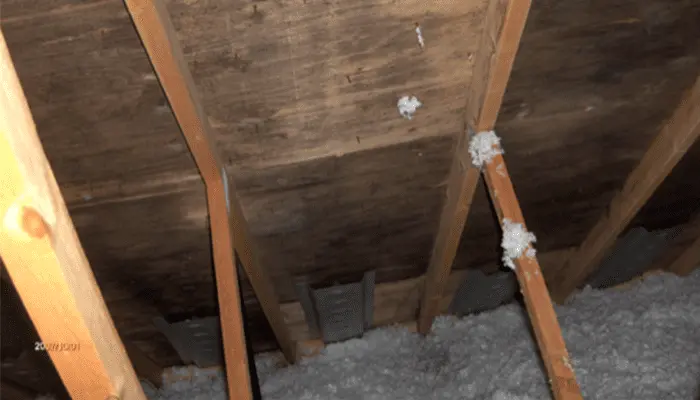
Inside attic insulation
Around HVAC air handlers
Behind cabinets or vanities
Inside wall cavities from past storms
A homeowner might wipe mold off a wall, but mold could still be thriving behind it where moisture remains.
Without correcting moisture and properly removing contamination, mold simply returns.
Why DIY Mold Removal Often Makes Things Worse
Many cleaning products promise mold removal, but they don’t solve the real issue.
Bleach, for example, is commonly used but has serious limitations. It may lighten mold stains, yet it does not penetrate porous materials like drywall or wood. Mold roots remain alive beneath the surface.
Scrubbing mold can also release spores into the air, allowing them to settle elsewhere in the home.
Other DIY risks include:
Removing mold without containment, spreading contamination
Disturbing mold in HVAC systems, sending spores through ducts
Failing to dry materials completely
Using fans that push spores into unaffected rooms
Homeowners often believe the problem is fixed until mold reappears weeks later.
Health and Home Risks from Improper Cleanup
Improper mold removal doesn’t just leave the problem behind; it can increase exposure inside the home.
Spores released during cleaning can travel into living areas, bedrooms, or ventilation systems. That leads to stronger odors and more widespread contamination.
Property damage also worsens when moisture remains untreated. Drywall, flooring, and framing materials may continue deteriorating, leading to larger repair costs later.
DIY cleanup may appear cheaper initially but often leads to more expensive professional remediation later.
What Professional Mold Inspection Looks Like
A professional inspection focuses on finding both mold and moisture sources.
An inspection typically includes:
A visual examination of affected areas
Moisture readings inside walls or flooring
Inspection of attics and HVAC systems
Thermal imaging to detect hidden damp areas
Air or surface sampling when necessary
The goal isn’t just to confirm mold presence. It’s to determine why mold developed and where it may still exist unseen.
This step prevents guesswork.
How Proper Mold Remediation Works
Professional remediation goes beyond surface cleaning.
Proper procedures usually include:
Containment barriers to prevent spore spread
Air filtration during removal
Safe removal of contaminated materials
Cleaning and treatment of salvageable surfaces
Thorough structural drying
Correction of moisture sources
Stopping moisture is key. Without fixing leaks or humidity problems, mold returns no matter how much cleaning occurs.
Local companies such as Brevard Mold Inspections & Removal understand how Florida’s climate impacts remediation strategies and tailor solutions to local homes.
How Homeowners Can Prevent Future Mold Problems
Prevention is always easier than remediation.
West Melbourne and Brevard County homeowners can reduce risk by:
Maintaining AC systems regularly
Ensuring condensate lines stay clear
Using dehumidifiers when humidity stays high
Repairing leaks immediately
Checking attics after storms
Using exhaust fans in kitchens and bathrooms
Avoiding storage against exterior walls in humid areas
Regular inspections after storms or plumbing issues help catch problems early.
Small steps can prevent major mold issues.
Why Local Experience Matters
Mold remediation in Brevard County isn’t the same as in dry climates.
Local homes face coastal moisture, heavy storms, and high humidity year-round. Construction styles vary between older communities and newer developments in areas like Viera.
Local professionals understand common moisture entry points and building conditions specific to the region.
Experience with West Melbourne homes helps inspectors quickly identify problem areas and recommend effective solutions.
Getting Help Before Mold Gets Worse
DIY projects are great for many home repairs, but mold removal often isn’t one of them.
If mold keeps returning, musty odors persist, or past water damage raises concerns, professional inspection can help clarify what’s really happening.
Brevard Mold Inspections & Removal assists homeowners across Brevard County with calm, practical evaluations that focus on solutions rather than pressure.
Early action usually keeps problems smaller, easier, and less costly to resolve.
Protecting your home from mold starts with understanding how it develops — and knowing when professional help makes sense.