
DIY Mold Risks in West Melbourne: What Homeowners in Brevard County Should Know
When mold shows up, many homeowners in West Melbourne instinctively want to handle it themselves. A quick trip to the store, a bottle of bleach, and some scrubbing can feel like the fastest solution. In reality, DIY mold cleanup often creates bigger problems—especially in Brevard County’s humid environment.
Florida homes behave differently than homes in drier climates. Moisture lingers longer, materials dry more slowly, and mold spreads more easily when disturbed. Understanding the real risks of DIY mold removal helps West Melbourne homeowners avoid turning a small issue into a costly, ongoing one.
Why DIY Mold Cleanup Is So Tempting
DIY mold cleanup feels simple on the surface.
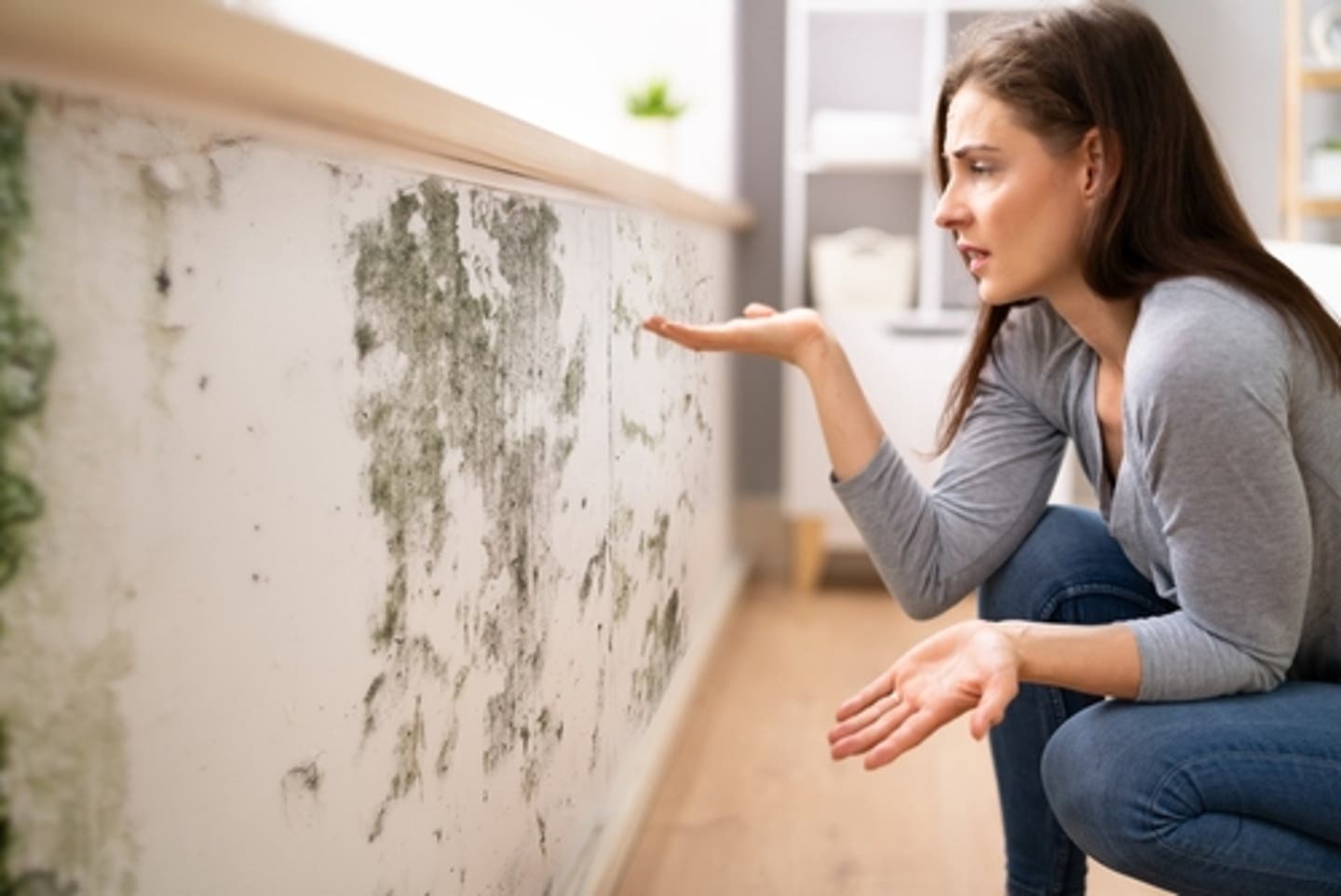
Mold often appears as a stain on drywall, tile, grout, or around vents. Because it looks localized, homeowners assume it’s only a surface problem. Add the availability of over-the-counter cleaners, and it’s easy to believe mold can be “handled” with enough effort.
In West Melbourne, this assumption is especially common after:
- Minor leaks
- Bathroom mold
- Small ceiling stains
- Mold near AC vents
Unfortunately, Florida mold rarely stays on the surface.
Why Florida Homes Are Different
Brevard County has high humidity most of the year. That changes how mold behaves.
In humid conditions:
- Mold roots penetrate deeper into materials
- Moisture remains trapped behind walls and ceilings
- Drying takes much longer
- Mold regrows faster after cleaning
DIY methods that might work temporarily elsewhere often fail in West Melbourne because moisture is still present after cleanup.
The Biggest Risk: Spreading Mold Instead of Removing It
One of the most common DIY mistakes is disturbing mold without containment.
Scrubbing, sanding, or tearing out moldy materials releases mold particles into the air. In homes with central air conditioning, those particles can be pulled into the HVAC system and spread to other rooms.
What started as mold in one bathroom or wall can quickly become a whole-house issue—without homeowners realizing it until mold appears elsewhere.
Bleach Myths and Why They Backfire
Bleach is one of the most misunderstood mold “solutions.”
While bleach may lighten stains on non-porous surfaces, it does not penetrate porous materials like drywall, wood, grout, or insulation. Mold roots often remain active beneath the surface.
Even worse, bleach is mostly water. In West Melbourne’s humid climate, adding moisture can actually feed mold growth after the surface dries.
This is why homeowners often see mold return quickly—and sometimes darker—after using bleach.
Why DIY Cleaning Doesn’t Fix the Moisture Problem
Mold doesn’t grow without moisture.
DIY cleanup focuses on what you can see, but it doesn’t address:
- Condensation inside walls
- Plumbing leaks
- AC drain line issues
- Attic humidity
- Crawl space moisture
As long as moisture remains, mold will return—regardless of how thoroughly surfaces are cleaned.
In West Melbourne homes, moisture sources are often hidden, which is why DIY efforts rarely last.
Hidden Mold: The Part DIY Misses
Some of the most serious mold growth is invisible.
Hidden mold commonly develops:
- Behind drywall
- Above ceilings
- Inside HVAC systems
- Under flooring on slab foundations
Homeowners cleaning visible mold may unknowingly leave large hidden areas untouched. Over time, hidden mold continues to grow and spread odors throughout the home.
DIY cleanup can create a false sense of resolution while the real problem gets worse.
Health and Comfort Concerns from DIY Disturbance
Without making medical claims, it’s important to understand that disturbing mold changes indoor conditions.
When mold is agitated:
- Odors often increase
- Air can feel heavier or stale
- Dust and particles become airborne
Homeowners sometimes notice that indoor comfort worsens after DIY cleanup rather than improves. This is a sign that mold was disturbed but not properly removed or contained.
Why Protective Gear Isn’t Enough
Some homeowners attempt DIY cleanup with gloves and masks.
While basic protective gear may reduce direct contact, it does not:
- Contain airborne mold particles
- Prevent spread through HVAC systems
- Address moisture inside materials
Professional remediation uses containment strategies specifically designed to prevent cross-contamination. DIY methods rarely achieve the same control.
Structural Damage from Improper DIY Removal
DIY mold removal can also damage the home itself.
Aggressive scrubbing, sanding, or chemical use can weaken drywall, damage wood framing, or compromise finishes. Removing materials without understanding what’s structural versus cosmetic can create repair issues later.
In slab homes common to West Melbourne, improper removal near flooring can trap moisture underneath, increasing future mold risk.
When DIY Turns a Small Problem into a Big One
Many professionals see the same pattern repeatedly.
A homeowner cleans a small mold spot. It comes back. They clean again—harder this time. Mold spreads, odors increase, and eventually the issue affects multiple rooms.
At that point, remediation is more extensive and disruptive than it would have been earlier.
DIY often delays proper resolution rather than preventing it.
How Professional Inspections Change the Outcome
A professional mold inspection focuses on why mold is present, not just where it’s visible.
Inspections typically include:
- Moisture readings in walls, ceilings, and floors
- Evaluation of HVAC systems and drainage
- Attic and ventilation assessments
- Identification of hidden moisture sources
This information guides the correct response—whether that’s minor corrections or full remediation.
Local professionals such as Brevard Mold Inspections & Removal help homeowners understand when mold can be safely addressed and when DIY efforts are likely to backfire.
When Small DIY Steps Are Reasonable
Not all mold requires professional remediation.
Minor surface mildew on non-porous materials—caused by temporary humidity—may improve with better ventilation and moisture control.
The key distinction is whether:
- Mold keeps returning
- Materials are porous
- Moisture is ongoing
- Odors persist
When any of these are present, DIY efforts are unlikely to succeed.
Preventing Mold Without DIY Removal
Prevention is safer than cleanup.
West Melbourne homeowners reduce mold risk by:
- Using bathroom exhaust fans consistently
- Maintaining HVAC systems and drain lines
- Monitoring indoor humidity
- Addressing leaks promptly
- Checking attics and ceilings after storms
Preventing moisture buildup avoids the need for risky cleanup altogether.
Why Local Experience Matters
DIY advice online is often generic.
West Melbourne homes face Florida humidity, slab foundations, long cooling seasons, and frequent storms. Local experience helps professionals recognize when DIY methods won’t work in this environment.
What works in dry climates often fails in Brevard County.
A Practical Takeaway for West Melbourne Homeowners
DIY mold cleanup in West Melbourne often carries more risk than reward.
While it may feel proactive, improper cleanup can spread mold, worsen indoor conditions, and increase long-term costs. Mold problems in Florida are almost always moisture problems first—and moisture is rarely visible.
If mold keeps returning, odors persist, or you’re unsure what’s causing the issue, a professional inspection can provide clarity before things escalate. With accurate evaluation and local expertise, homeowners can avoid DIY pitfalls and address mold the right way—before it becomes a much bigger problem.