
DIY Mold Risks in West Melbourne: What Homeowners in Brevard County Should Know
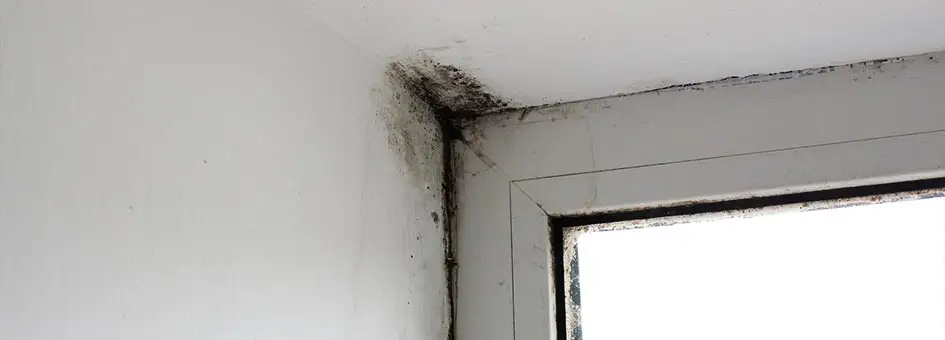
Many homeowners in West Melbourne try to handle mold themselves first. That’s understandable—small spots look easy to clean, and hardware stores sell plenty of products that promise quick results. Sometimes minor surface mold can be handled safely, but larger or hidden problems often return because the underlying moisture or contamination remains.
I’ve inspected homes where visible mold had been cleaned repeatedly, yet growth kept coming back in the exact same place. Ever notice how mold sometimes disappears for a while and then suddenly reappears? That usually means the root cause was never addressed.
Let’s talk about the real risks of DIY mold cleanup and what homeowners in Brevard County should know.
Why DIY Mold Removal Often Fails
The biggest reason DIY cleanup fails is simple: cleaning removes visible mold but doesn’t always remove moisture or hidden growth.
Common reasons mold returns include:
- Moisture sources not corrected
- Mold inside walls or insulation
- Improper cleaning methods
Rhetorical question time: if mold grows inside drywall, does wiping the surface solve the problem? Usually not.
Surface cleaning rarely addresses hidden contamination.
How Mold Spreads During Improper Cleaning
Disturbing mold without containment can release spores into the air, allowing them to settle in other parts of the home.
This can lead to:
- Mold appearing in new areas
- Increased indoor air contamination
- Persistent odors
IMO, spreading spores during cleanup is one of the most overlooked DIY risks.
Mold doesn’t need much help to spread—airflow does the rest.
Hidden Mold: The Problem Most Homeowners Miss
Many mold problems aren’t visible at all. Growth often develops behind walls, under flooring, or inside HVAC systems.
Common hidden locations include:
- Behind drywall after leaks
- Under sinks
- Inside insulation
Ever notice how a musty smell remains even after visible mold is cleaned? Hidden growth often explains that.
Odors usually indicate moisture somewhere nearby.
Health and Air Quality Concerns
DIY cleanup without proper protection may expose homeowners to higher concentrations of mold spores.
Possible effects may include:
- Irritation of eyes or throat
- Coughing or sneezing
- Discomfort in enclosed spaces
Airborne spores increase during cleaning, especially when scrubbing or sanding contaminated materials.
FYI, even small mold areas can release spores when disturbed.
Proper handling matters more than most people expect.
Why Moisture Control Matters More Than Cleaning
Mold always follows moisture. Unless the moisture source is corrected, mold often returns regardless of how thoroughly surfaces are cleaned.
Common moisture sources include:
- Plumbing leaks
- Roof leaks
- AC condensation
- High humidity
Ever wonder why mold keeps coming back to the same spot? The moisture source usually remains nearby.
Fixing moisture prevents recurrence.
The Difference Between Cleaning and Remediation
DIY cleaning focuses on removing visible mold. Remediation focuses on removing contamination and correcting conditions that allowed mold to grow.
Remediation may include:
- Removing contaminated materials
- Cleaning structural surfaces
- Drying affected areas
- Correcting moisture sources
Understanding this difference helps homeowners know when professional help may be needed.
Cleaning treats symptoms. Remediation addresses causes.
Signs DIY Cleanup May Not Be Enough
Some mold situations usually require more than basic cleaning.
Warning signs include:
- Mold returning after cleaning
- Musty odors persisting
- Mold covering larger areas
- Mold appearing in multiple rooms
These signs often indicate hidden moisture or contamination.
Ever notice how mold spreading across several rooms rarely stays small? Larger problems rarely solve themselves.
Preventing Mold Safely
Homeowners in West Melbourne can reduce mold risk by:
- Repairing leaks promptly
- Monitoring indoor humidity
- Maintaining HVAC systems
- Inspecting areas near plumbing regularly
Preventive maintenance reduces the need for cleanup in the first place.
Homes that stay dry rarely develop recurring mold problems.
The Importance of Inspection
Mold inspection helps identify:
- Hidden moisture
- Mold growth inside materials
- Ventilation problems
Moisture meters and other tools detect damp areas that aren’t visible.
Mold testing may help determine airborne mold levels when indoor air quality concerns exist.
Inspection identifies the cause. Testing measures the air.
Together, they provide clarity.
Why Acting Early Saves Time and Money
One consistent lesson from inspections is that early attention prevents larger repairs.
When homeowners act early:
- Mold remains localized
- Repairs stay smaller
- Indoor air quality improves faster
Waiting allows mold to spread into structural materials, increasing both cost and repair time.
Maintenance almost always costs less than restoration.
Final Thoughts
DIY mold cleanup in West Melbourne homes can sometimes handle very small surface issues, but larger or hidden mold problems often require more thorough remediation. Mold returns most often when moisture remains or when contamination spreads during improper cleaning.
Understanding the risks of DIY cleanup, addressing moisture quickly, and scheduling inspections when needed helps homeowners protect their homes and avoid recurring mold problems.