
Hidden Mold Problems in Cocoa Beach: What Homeowners in Brevard County Should Know
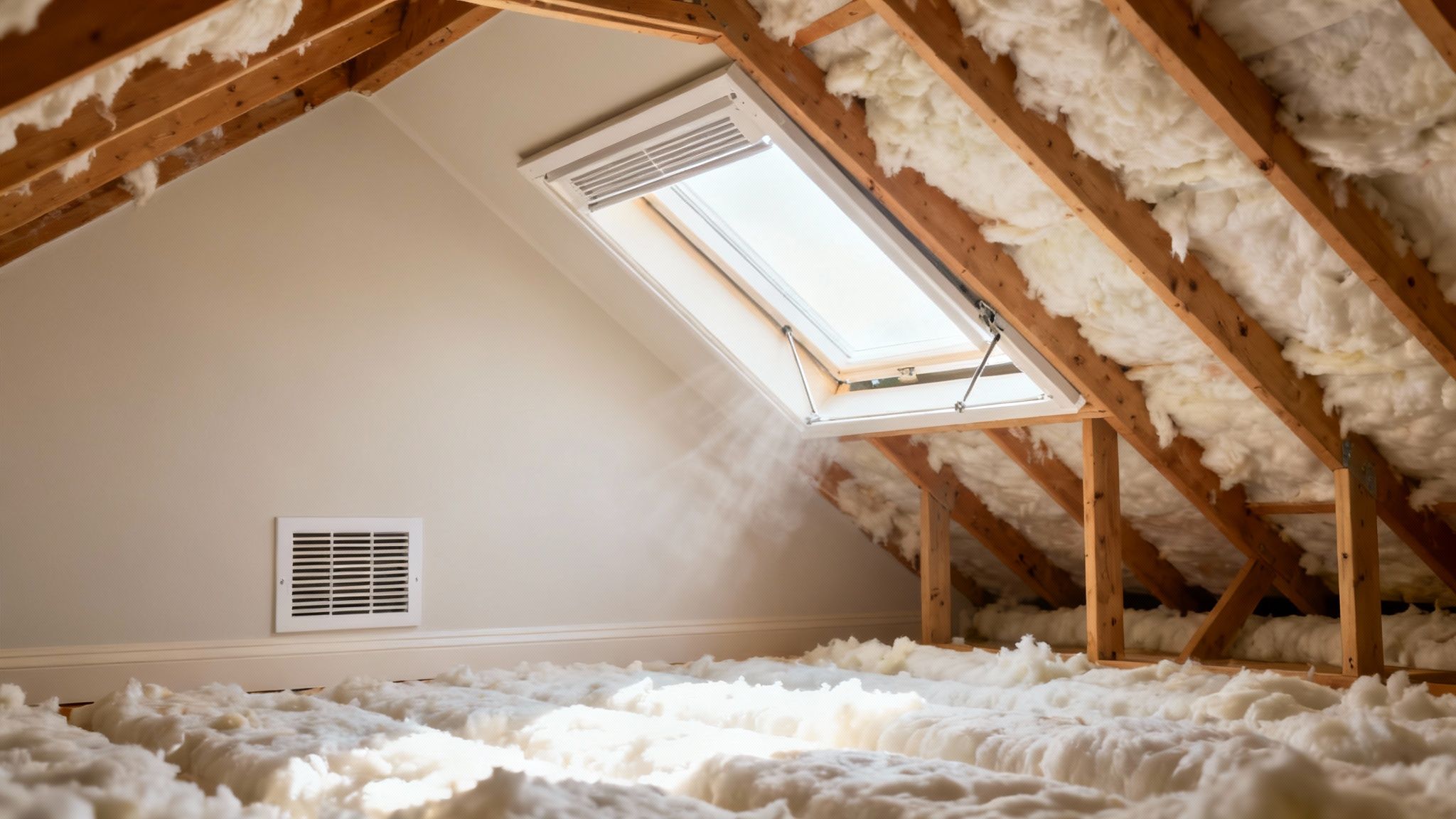
Hidden mold is one of the most dangerous and underestimated problems homeowners face in Cocoa Beach and throughout Brevard County. Unlike surface mold that appears on tile or caulk, hidden mold grows quietly behind walls, under floors, and inside attics or HVAC systems — often for months — before anyone realizes there’s a problem.
Because Cocoa Beach homes are constantly exposed to coastal humidity, salt air, storms, and heavy air-conditioning use, mold doesn’t need a flood or major leak to spread. By the time warning signs appear, hidden mold is often widespread and costly to address.
Why Hidden Mold Is So Common in Cocoa Beach Homes
Cocoa Beach’s coastal environment creates ideal conditions for hidden mold growth:
- High year-round humidity
- Salt air drawing moisture into building materials
- Wind-driven rain during storms
- Condensation from constant AC use
- Homes near sea level
- Vacation or seasonal homes left closed
Well-sealed homes designed for energy efficiency can unintentionally trap moisture, allowing mold to thrive out of sight.
Where Hidden Mold Commonly Grows
In Cocoa Beach homes, hidden mold is frequently found in:
- Behind drywall and insulation
- Under tile, laminate, or carpet
- Inside attics and roof decking
- Behind cabinets and bathroom vanities
- Closets on exterior walls
- Beneath baseboards
- Inside HVAC systems and ductwork
Visible mold is often just a small warning sign of a much larger hidden problem.
Early Warning Signs of Hidden Mold
Hidden mold usually announces itself indirectly. Common signs include:
- Persistent musty or earthy odors
- Allergy or respiratory symptoms that worsen indoors
- Headaches or sinus irritation
- Rooms that feel damp or humid
- Warped floors or baseboards
- Peeling paint or bubbling drywall
If symptoms improve when leaving the home and return indoors, hidden mold may be the cause.
Why Hidden Mold Is More Serious Than Visible Mold
Hidden mold is especially dangerous because:
- It spreads unchecked for long periods
- Large areas may be contaminated before discovery
- Indoor air quality declines gradually
- Structural materials weaken over time
- Health effects may go unexplained
In Cocoa Beach’s humid climate, hidden mold can grow aggressively behind surfaces while remaining invisible.
Health Risks Associated With Hidden Mold
Prolonged exposure to hidden mold can cause:
- Sneezing or coughing
- Nasal congestion
- Eye or throat irritation
- Headaches
- Fatigue
- Worsened asthma or allergies
Children, seniors, and individuals with respiratory conditions are particularly vulnerable to ongoing exposure.
Why DIY Mold Detection and Cleanup Often Fail
Hidden mold cannot be safely addressed with household cleaners or surface cleaning.
Common DIY mistakes include:
- Cleaning visible mold while missing hidden growth
- Using bleach on porous materials
- Scrubbing without containment
- Spreading spores through air circulation
- Ignoring moisture sources
DIY efforts often allow mold to continue spreading behind walls and floors.
Does Insurance Cover Hidden Mold in Cocoa Beach?
Insurance coverage depends on the cause of the mold, not whether it’s hidden.
Mold may be covered if it resulted from:
- A burst pipe
- Storm-related roof or window damage
- Sudden water intrusion
Mold is usually not covered when caused by:
- Long-term humidity
- Poor ventilation
- Gradual leaks
- Deferred maintenance
Early documentation and professional evaluation are critical for any potential claim.
How Professionals Detect Hidden Mold
Professional inspections may include:
- Moisture meters
- Infrared thermal imaging
- Air sampling
- Visual inspection of attics and HVAC systems
- Identification of moisture sources
These tools help locate mold without unnecessary damage to the home.
Preventing Hidden Mold in Cocoa Beach Homes
Homeowners can reduce the risk of hidden mold by:
- Keeping indoor humidity below 55%
- Running dehumidifiers year-round
- Keeping AC running consistently
- Maintaining HVAC systems regularly
- Fixing leaks immediately
- Ensuring proper attic ventilation
- Inspecting homes after storms
Moisture control is the most important preventive step in coastal Florida.
When to Call a Professional
Professional help is strongly recommended if:
- You smell mold but can’t see it
- Health symptoms worsen indoors
- Mold keeps returning after cleaning
- The home experienced water or storm damage
- You’re buying or selling a home
Early detection often prevents widespread contamination and costly repairs.
Long-Term Risks of Ignoring Hidden Mold
Ignoring hidden mold can lead to:
- Structural deterioration
- Persistent indoor air quality issues
- Chronic health symptoms
- Reduced property value
- Expensive remediation later
Hidden mold continues spreading as long as moisture remains unchecked.
Conclusion
Hidden mold is a serious concern for homeowners in Cocoa Beach and Brevard County, especially because it often grows silently behind walls, floors, and ceilings. Coastal humidity, salt air, and constant AC use create conditions where mold can thrive unnoticed for long periods.
By recognizing early warning signs and addressing moisture problems quickly, homeowners can prevent small hidden issues from becoming major repairs. When mold is suspected, professional evaluation is the safest and most effective way to protect your home, health, and investment.