
Hidden Mold Problems in Cocoa Beach: What Homeowners in Brevard County Should Know
Living in Cocoa Beach has obvious advantages — ocean air, coastal views, and easy access to everything Brevard County offers. But along with the beauty of coastal living comes a constant challenge many homeowners don’t see until it becomes serious: hidden mold.
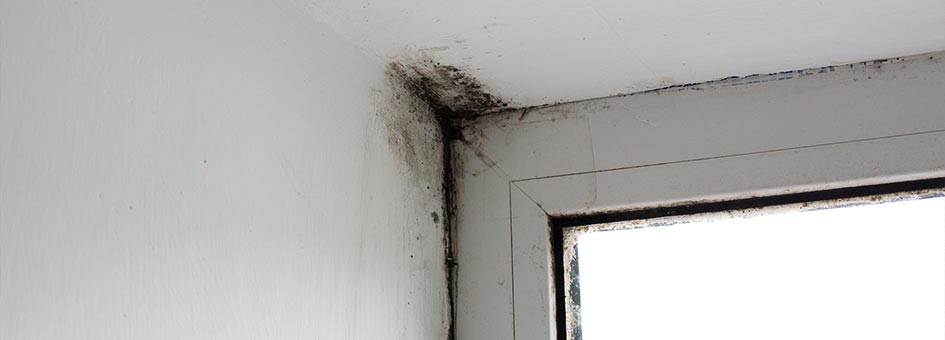
Unlike visible mold that appears on bathroom walls or ceilings, hidden mold grows quietly behind surfaces. Many Cocoa Beach homeowners don’t realize there’s a problem until a musty smell appears or family members begin noticing allergy-like irritation indoors.
Across Brevard County — from Melbourne and Palm Bay to Merritt Island, Rockledge, Titusville, and Satellite Beach — hidden mold is one of the most common issues discovered during professional home inspections. And coastal communities like Cocoa Beach face even greater risk due to humidity and storm exposure.
Understanding how hidden mold develops and how to address it can help protect both your home and long-term property value.
What Hidden Mold Really Means
Hidden mold refers to mold growth occurring out of sight, often inside building materials or concealed areas of the home. You may never see it directly, yet it can spread extensively behind walls or under flooring.
In Florida homes, mold often hides in:
• Wall cavities
• Under carpets or laminate floors
• Inside attics
• Crawl spaces
• HVAC ducts
• Behind cabinets or appliances
• Inside closets
• Under bathroom or kitchen sinks
Because Cocoa Beach homes deal with constant humidity and occasional storm moisture, these hidden areas can stay damp long enough for mold to develop unnoticed.
Many homeowners are surprised when inspections reveal mold growth in places they never suspected.
Why Hidden Mold Happens So Often in Brevard County
Florida’s climate naturally supports mold growth, and Brevard County homes experience several conditions that increase risk.
Coastal Humidity
Ocean air keeps humidity levels high year-round. Even when there’s no visible water intrusion, moisture accumulates inside homes.
Storms and Hurricanes
Wind-driven rain and storms push moisture into small openings around roofs, windows, and siding. Water may dry on the surface but remain trapped behind walls.
AC Condensation
Air conditioners remove humidity, but condensation lines can clog or leak. Moisture may build up around air handlers, often located in closets or attics.
Slab Construction
Most homes in Cocoa Beach and surrounding cities sit on slab foundations. When water enters, it cannot easily drain away and often remains trapped beneath flooring materials.
Older Home Construction
Older homes in Cocoa, Rockledge, and Titusville sometimes lack modern moisture barriers or insulation improvements, allowing humidity to travel into walls more easily.
Even new homes in Viera or Palm Bay are vulnerable if ventilation or moisture control is not ideal.
Common Signs Homeowners Notice
Because mold often hides, homeowners usually notice indirect signs first.
Typical clues include:
• Persistent musty or damp smells
• Allergy-like symptoms indoors that improve outside
• Peeling paint or bubbling drywall
• Warped baseboards or flooring
• Stains appearing on ceilings or walls
• Condensation around vents or windows
• Damp closets or storage areas
Sometimes homeowners report smells strongest when AC turns on, suggesting mold growth somewhere within the HVAC system.
By the time these signs appear, mold has often been growing for months.
Hidden Places Mold Frequently Develops
Behind Walls
Small leaks from plumbing, roof damage, or window seals often soak drywall insulation. Even after surfaces dry, interior cavities remain damp.
Under Flooring
Flooding, plumbing leaks, or storm intrusion often leave moisture trapped beneath flooring. Mold spreads unseen until floors begin warping or smelling.
Attics
In Cocoa Beach homes, attic mold is extremely common due to roof leaks or poor ventilation. Heat and humidity combine to create ideal mold conditions.
HVAC Systems
Air conditioning systems collect moisture. If condensate lines clog or ducts become damp, mold can spread through the air system.
Bathrooms and Kitchens
Even minor leaks beneath sinks or behind cabinets can produce hidden mold growth.
Homes inspected by Brevard Mold Inspections & Removal frequently show mold spreading far beyond where moisture originally entered.
Why DIY Cleaning Often Fails
When homeowners discover mold, many try cleaning it themselves. Unfortunately, this often addresses only visible mold while hidden growth continues.
Common mistakes include:
• Using bleach on porous materials
• Painting over mold stains
• Cleaning surfaces but ignoring moisture sources
• Running fans that spread spores
• Removing drywall without containment
Bleach cannot penetrate drywall or wood deeply enough to kill mold roots. The visible stain disappears temporarily, but mold returns.
DIY attempts sometimes make matters worse by spreading spores to new areas of the home.
What Professional Mold Inspection Involves
A professional inspection helps determine if hidden mold exists and identifies moisture sources.
An inspection typically includes:
Detailed Visual Inspection
Professionals evaluate moisture-prone areas, including attics, closets, HVAC systems, and flooring transitions.
Moisture Mapping
Special tools detect moisture inside walls or floors without needing to open them.
Air or Surface Sampling
If needed, samples compare indoor air quality to outdoor conditions.
Lab Analysis
Laboratories identify mold types and concentration levels to help guide remediation decisions.
Inspections often reveal problems homeowners never suspected, particularly after storms or plumbing leaks.
Proper Mold Remediation Approach
When mold is confirmed, remediation focuses on removing contamination safely while correcting moisture issues.
A proper approach usually includes:
• Containment to prevent spreading spores
• Removal of damaged materials
• HEPA air filtration
• Cleaning and sanitizing structural surfaces
• Addressing moisture sources
• Safe disposal of contaminated materials
Remediation is not simply cleaning; it involves restoring safe indoor conditions.
Companies experienced in Brevard County homes understand how moisture travels through Florida construction and address both current and future risks.
Preventing Hidden Mold in Cocoa Beach Homes
Prevention focuses on moisture control and early response.
Helpful steps include:
• Maintain AC systems regularly
• Inspect roofs after storms
• Repair plumbing leaks immediately
• Use dehumidifiers during humid months
• Keep attic spaces properly ventilated
• Check under sinks periodically
• Ensure bathroom and kitchen exhaust fans function properly
• Inspect after hurricanes or heavy rainfall
Homeowners in coastal areas often schedule inspections after major storms to catch hidden moisture early.
Why Local Experience Matters
Mold behavior in Brevard County homes is shaped by coastal weather, building styles, and hurricane exposure.
Local inspectors understand:
• Coastal humidity patterns
• Slab foundation moisture behavior
• Attic heat buildup
• Storm-related intrusion patterns
• Older Florida home construction methods
Professionals familiar with Cocoa Beach, Melbourne, Palm Bay, Merritt Island, and surrounding communities know where hidden mold tends to develop and how to find it quickly.
Brevard Mold Inspections & Removal works with homeowners across the county to help uncover hidden mold problems before they lead to costly repairs.
A Calm Next Step for Homeowners
If your home has experienced leaks, flooding, persistent humidity, or unexplained odors, a professional inspection can help determine whether hidden mold is present.
Many Cocoa Beach homeowners seek inspections simply for peace of mind after storms or renovations. Catching problems early allows for simpler solutions and protects the home long-term.
When concerns arise, professional guidance can clarify what’s happening inside your home and what steps, if any, should come next.